
Listă de Cuvinte Nivel C2 - Politică
Aici vei învăța toate cuvintele esențiale pentru a vorbi despre politică, adunate special pentru elevii de nivel C2.
Revizuire
Fișe de studiu
Ortografie
Chestionar

the principle or system of unlimited and unchecked governmental power

absolutism, despotism
Monarhul a domnit sub doctrina absolutismului politic.
a type of politics that purports to represent the opinions and desires of ordinary people in order to gain their support
populism, demagogie
Populismul în politică se referă la o mișcare sau abordare care caută să reprezinte interesele și vocile oamenilor obișnuiți, adesea poziționându-se împotriva elitelor sau instituțiilor stabilite.
the doctrine of absolute governmental power
totalitarism, doctrina puterii guvernamentale absolute
Partidul politic a adoptat totalitarismul ca principiu de conducere al domniei sale.
the scientific study of elections, including the analysis of voting patterns, behavior, and electoral systems, to understand and predict political outcomes
psefologie, studiul științific al alegerilor
Psefologia a jucat un rol crucial în predicția rezultatelor electorale prin analizarea modelelor istorice de vot și a datelor demografice.
the political propaganda, especially in the form of art, literature, or media, used to promote a particular ideology, cause, or political agenda
agitprop, propagandă politică
În timpul sezonului electoral, ambele partide politice s-au angajat în agitprop, folosind reclame și campanii media pentru a influența opinia publică.
the advocacy or support of government according to constitutional principles
constitutionalism, apărarea principiilor constituționale
Avocatul a pledat pentru constitutionalism ca o garanție împotriva domniei arbitrare.
the study of how geography influences global political and economic interactions
geopolitică
Geopolitica a jucat un rol semnificativ în deciziile strategice ale națiunilor în timpul Războiului Rece, cu considerații privind proximitatea teritorială și resursele care influențează alianțele.
the use of political, economic, or military power to achieve and maintain influence and control on the global or national stage
politica puterii, politica forței
Istoria relațiilor internaționale este marcată de exemple de politică a puterii, în care națiunile și-au urmărit strategic interesele prin mijloace diplomatice și militare.
the extreme political or religious beliefs often accompanied by intolerance for different views
fanatism, intoleranță religioasă
Multe tragedii istorice au fost rezultatul unui fanatism necontrolat și al ideologiilor extreme.
the belief that a country must have a strong military force in order to seem more powerful
militarism
Militarismul este o ideologie politică și socială care subliniază importanța puterii militare și menținerea unei forțe de apărare puternice și agresive.
the belief in or practice of giving a central government significant control over social and economic affairs
etatism, intervenționism de stat
Statismul este un sistem politic sau o ideologie care subliniază rolul statului în controlul politicii economice și sociale, adesea pledând pentru o intervenție guvernamentală semnificativă în diverse aspecte ale vieții.
the practice or principle of a nation or party taking actions, making decisions, or forming alliances without seeking or considering the approval, consensus, or cooperation of others
unilateralism, acțiune unilaterală
Decizia președintelui de a se retrage din tratatul internațional a fost un exemplu de unilateralism, deoarece a fost luată fără a consulta sau a cere aprobarea națiunilor aliate.
the current holder of a particular office or position, especially in politics
deținătorul actual, în exercițiu
Deținătorul funcției a întâmpinat o puternică competiție în alegerile viitoare.
the act of rebellion or resistance against established authority, typically through speech or conduct
sediție, rebeliune
Pamfletul revoluționar a fost acuzat de sediție, deoarece îndemna cetățenii să răstoarne guvernul.
a short, political argument, particularly between rivals
încleştare, ceartă
Soldații s-au angajat într-o scurtă încleștare cu forțele inamice înainte de a se retrage pentru a se regrupa.
the right or privilege of casting a vote in public elections
sufragiu, drept de vot
Dreptul de vot al femeilor a fost o mișcare pivotală la începutul secolului XX.
the specific form or system of government of a society or institution
polity, sistem de guvernare
Biserica a adoptat o nouă politică care subliniază autonomia locală.
to formally put a law or regulation into effect through official proclamation
promulga, a da în vigoare
Guvernul a promulgat noi legi fiscale care intră în vigoare de la 1 ianuarie.
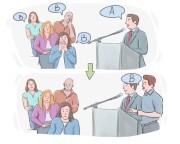
a person or group of people who are often employed by politicians, public figures, or the government in order to shape the public opinion in their favor
maestru al imaginii, specialist în cosmetizarea imaginii
Ministrul a angajat un specialist în cosmetizarea imaginii ca scandalul să pară mai puțin grav.
a political system in which a small group of high-powered people control a country or organization
oligarhie, guvernare de către un grup mic
O oligarhie este o formă de guvernare în care puterea este concentrată în mâinile unui mic grup de indivizi sau familii.
a party meeting to discuss policy or select candidates
caucus, ședință de partid
Caucusul democrat s-a întâlnit pentru a discuta strategia lor pentru alegerile viitoare.
involving the cooperation or agreement of two political parties, especially those usually opposed to each other, to achieve a common goal or outcome
bipartizan, bipartit
Comitetul bipartizan a lucrat împreună la elaborarea unei legislații care să abordeze provocările economice cu care se confruntă țara.
