
Кембриджский английский: FCE (B2 First) - Межличностное Общение
Обзор
Флэш-карточки
формы
Правописание
Тест


to proceed with an action, event, or task

продолжать, двигаться вперед
Проект готов продолжиться по плану, без задержек.

informal or idle talk about others, especially their personal lives, typically involving details that may not be confirmed or verified
сплетня
Офис был полон сплетен после прихода нового менеджера.

to encourage or show support or praise for someone by shouting
подбадривать
Болельщики громко кричат во время футбольного матча.
noting or highlighting mistakes or imperfections
критический
Она дала критический отзыв о фильме, сосредоточившись на его слабом сюжете.
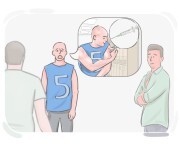
to agree with the truth of something, particularly in an unwilling manner
признать
Она признает свои ошибки открыто во время командных встреч.
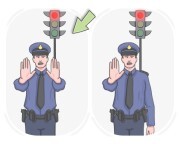
to emphasize a particular point or aspect
подчеркивать, акцентировать внимание на
В инструктаже по безопасности стюардесса подчеркнула важность пристегивания ремней безопасности во время взлета и посадки.
to prevent or persuade someone from taking a particular action or pursuing a specific course of action
отговаривать, разубеждать
Я попытался отговорить его от увольнения, подчеркнув потенциальные риски и неопределенности.

to convince someone to do something they do not want to do
уговаривать
Он против этой идеи, но я думаю, что смогу его уговорить.

to tell a person that one is sorry for having done something wrong
извиняться, просить прощения
Осознав ошибку, он немедленно извинился перед своим другом за недоразумение.

to say that something is the case without providing proof for it
утверждать, претендовать
Спорная статья регулярно утверждает, что вчера ночью произошло наблюдение НЛО.
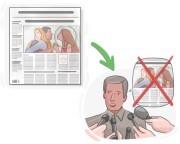
to refuse to admit the truth or existence of something
отрицать
Обвиняемый продолжал отрицать какое-либо участие в краже, несмотря на доказательства.
to assert or postulate something positively and confidently
настаивать, утверждать
Он настаивал на точности своих расчётов.

to say something about someone or something, without giving much detail
упоминать
Во время встречи, пожалуйста, упомяните любые опасения или предложения, которые у вас могут быть.

to tell someone that one will do something or that a particular event will happen
обещать
Они пообещали своим родителям, что будут звонить им каждую неделю во время учебы за границей.

to say or show one's unwillingness to do something that someone has asked
отказываться
Студент был вынужден отказаться от приглашения присоединиться к внеклассному клубу из-за нехватки времени.

to strongly recommend something
призывать

to tell someone in advance about a possible danger, problem, or unfavorable situation
предупреждать
Прогноз погоды предупредил жителей о приближающемся шторме.
to send a letter, document, or package to its intended destination using postal services
отправлять, посылать
Она отправила важный контракт клиенту через экспресс-почту.

to express sharp disapproval or criticism of someone's behavior or actions
отчитать
Она отчитала своего друга за распространение слухов о ней.
something that a person says or writes that shows they regret what they did to someone
извинение
Она отправила извинения своей подруге за то, что пропустила вечеринку по случаю дня рождения.
a statement that conveys one's dissatisfaction
жалоба
Получив неверный заказ в ресторане, она решила подать жалобу менеджеру, чтобы выразить свое недовольство.

to intentionally pay no or little attention to someone or something
игнорировать
Несмотря на повторные предупреждения, он решил игнорировать правила безопасности.
to formally present something, such as a proposal or document, to someone in authority for review or decision
представить
Он подаст свою заявку на работу завтра.

to say that a person or group has done something wrong
обвинять
Его ложно обвинили в списывании на экзамене, и он столкнулся с серьезными последствиями.
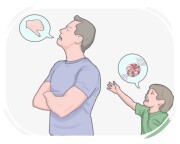
to refuse to accept a proposal, idea, person, etc.
отклонять
Он отклонил первый черновик отчета, потребовав серьезных доработок.
the first of two people, things, or groups previously mentioned
первый, тот
Между врачом и адвокатом я бы больше доверял первому в медицинских вопросах.
used to refer to the second of two individuals or things mentioned in a preceding statement
последний
Между художником и скульптором я предпочитаю последнего за их внимание к деталям.
used to indicate that someone is acting or speaking for another person or group
от имени, по поручению
Адвокат говорил от имени своего клиента во время судебного разбирательства.
used to express a condition that must be met for a certain action or situation to happen
при условии, что
Они наймут её при условии, что она успешно завершит программу обучения.
