
Cambridge English: FCE (B2 First) - Komunikacja Interpersonalna
Przegląd
Fiszki
formy
Pisownia
Test


to proceed with an action, event, or task

kontynuować, iść naprzód
Ekipa produkcyjna filmu z radością pozwala, aby zdjęcia poszły naprzód po miesiącach przygotowań.

informal or idle talk about others, especially their personal lives, typically involving details that may not be confirmed or verified
plotka, pogłoska
Nie chciała angażować się w plotki, więc przeprosiła się z rozmowy.

to encourage or show support or praise for someone by shouting
kibicować, wiwatować
Ona już kibicowała na kilku koncertach w tym roku.
noting or highlighting mistakes or imperfections
krytyczny, surowy
Profesor był krytyczny wobec eseju studenta, wskazując na kilka błędów w logice.
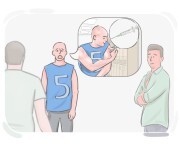
to agree with the truth of something, particularly in an unwilling manner
przyznawać, uznawać
Do tego czasu już przyznała, że stłukła wazon.
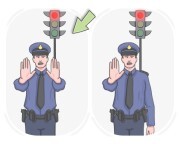
to emphasize a particular point or aspect
podkreślać, akcentować
Kierownik podkreślił zaangażowanie firmy w zadowolenie klientów na spotkaniu personelu.
to prevent or persuade someone from taking a particular action or pursuing a specific course of action
zniechęcać, odradzać
Negatywne opinie krytyków nie zniechęciły jej do realizowania swojej pasji do malowania.

to convince someone to do something they do not want to do
przekonać, namówić
Udało jej się przekonać przyjaciela do wzięcia udziału w przygodowej wycieczce pieszej.

to tell a person that one is sorry for having done something wrong
przepraszać, prosić o wybaczenie
W zeszłym tygodniu szybko przeprosił za nieporozumienie.

to say that something is the case without providing proof for it
twierdzić, utrzymywać
Odkrywca twierdził, że odkrył ukryty skarb.
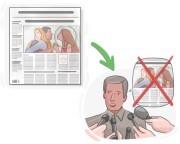
to refuse to admit the truth or existence of something
zaprzeczać, odrzucać
Nadal zaprzeczał zarzutom, pomimo przytłaczających dowodów.
to assert or postulate something positively and confidently
nalegać, twierdzić
Nalegał, że zmiany były konieczne do sukcesu.

to say something about someone or something, without giving much detail
wspomnieć, wymienić
W swoim przemówieniu mówca wspomni o znaczeniu zaangażowania społeczności.

to tell someone that one will do something or that a particular event will happen
obiecać, zobowiązywać się
Firma obiecała swoim akcjonariuszom zwiększone dywidendy po udanym kwartale.

to say or show one's unwillingness to do something that someone has asked
odmawiać, odrzucać
Postanowiła odmówić oferty pracy, ponieważ nie była zgodna z jej celami zawodowymi.

to strongly recommend something
nalegać, gorąco polecać

to tell someone in advance about a possible danger, problem, or unfavorable situation
ostrzegać, upominać
Ratownik ostrzegł pływaków przed niebezpiecznymi prądami wstecznymi.
to send a letter, document, or package to its intended destination using postal services
wysłać, przesłać
Wysłali swoje podanie o wizę do konsulatu.

to express sharp disapproval or criticism of someone's behavior or actions
skarcić, zbesztać
Nie chciałem go zbesztać, ale byłem naprawdę sfrustrowany.
something that a person says or writes that shows they regret what they did to someone
przeprosiny, żal
Złożył publiczne przeprosiny za błąd, który spowodował zamieszanie wśród publiczności.
a statement that conveys one's dissatisfaction
skarga, zażalenie
Firma poważnie traktuje skargi klientów i ma dedykowany zespół do rozwiązywania wszelkich problemów, które się pojawią.

to intentionally pay no or little attention to someone or something
ignorować, nie zwracać uwagi
Ona regularnie ignoruje rozpraszające elementy, aby pozostać skupioną.
to formally present something, such as a proposal or document, to someone in authority for review or decision
złożyć, przedłożyć
Uczniowie muszą złożyć swoje zadania do końca tygodnia.

to say that a person or group has done something wrong
oskarżać, obwiniać
Dziecko oskarżyło psa o zjedzenie jego pracy domowej, ku uciesze rodziców.

to refuse to accept a proposal, idea, person, etc.
odrzucać, odtrącać
Surovy nauczyciel odrzucił spóźnioną pracę ucznia.
the first of two people, things, or groups previously mentioned
pierwszy, tamten
Możesz pojechać autobusem lub pociągiem; polecam pierwszą opcję dla szybszego dojazdu.
used to refer to the second of two individuals or things mentioned in a preceding statement
ten ostatni
Możesz pojechać autobusem lub pójść pieszo; proponuję to drugie, ponieważ jest ładny dzień.
used to indicate that someone is acting or speaking for another person or group
w imieniu, z ramienia
Burmistrz wygłosił przemówienie w imieniu rady miasta.
used to express a condition that must be met for a certain action or situation to happen
pod warunkiem, że
Zgodził się pojechać na wycieczkę pod warunkiem, że wrócą do niedzielnego wieczoru.
