Книга Interchange - Предсредний - Раздел 10 - Часть 1
Здесь вы найдете лексику из Раздела 10 - Части 1 учебника Interchange Pre-Intermediate, такую как "ставка", "общий", "вкусный" и т.д.
Обзор
Флэш-карточки
формы
Правописание
Тест

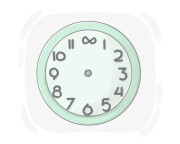
at any point in time

всегда, когда-либо
Если когда-либо вам понадобится помощь, просто позвоните мне.
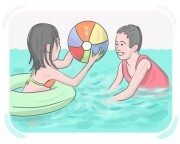
the feeling of enjoyment or amusement
удовольствие, веселье
Наша поездка в зоопарк была полна веселья и волнения.
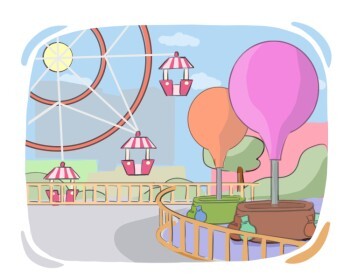
a large park, with machines and games that are all related to a single concept, designed for public entertainment
тематический парк
Они провели день, катаясь на американских горках в тематическом парке.
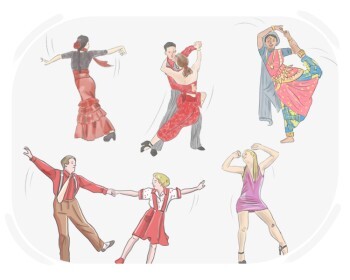
the act of moving our body to music; a set of movements performed to music
танцы
Танцы были настолько энергичными, что все присоединились.
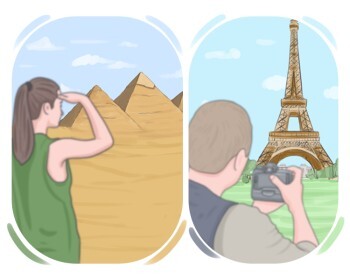
to go somewhere for a short time, especially to see something
посетить, посещать
Во время отпуска они планировали посетить известные достопримечательности и исторические места города.

any area beyond the Earth's atmosphere
космос
Астронавты тренировались для путешествий в космосе.

the middle part or point of an area or object
центр
Она поставила вазу с цветами в центр обеденного стола.
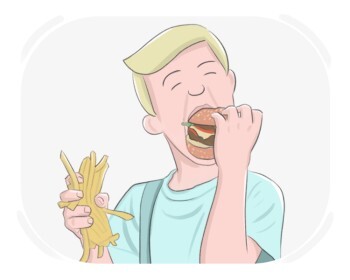
to put food into the mouth, then chew and swallow it
есть
Им нравится есть пиццу по пятницам вечером.

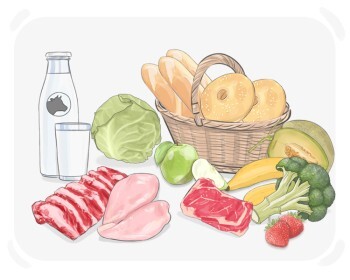
things that people and animals eat, such as meat or vegetables
пища, еда
Ему нравилось пробовать новые продукты, путешествуя за границей.
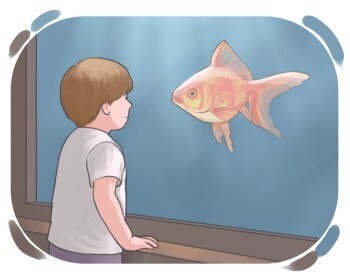
to notice a thing or person with our eyes
видеть
Ты видел ту падающую звезду только что?
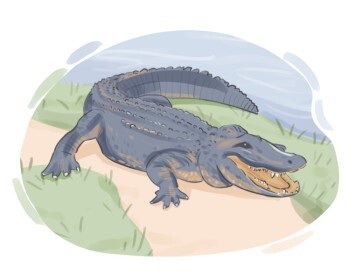
a large animal living in both water and on land which has strong jaws, a long tail, and sharp teeth
аллигатор
Аллигатор грелся на солнце на берегу реки, его грозные челюсти были слегка приоткрыты.
before the present or specified time
уже
Она уже ушла, когда я пришел.

to risk money on the result of a coming event by trying to predict it
держать пари
Друзья часто делают ставки на спортивные события, чтобы сделать просмотр более захватывающим.
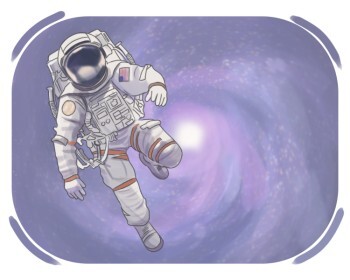
someone who is trained to travel and work in space
космонавт
Она осуществила свою детскую мечту стать космонавтом и отправилась на Международную космическую станцию.
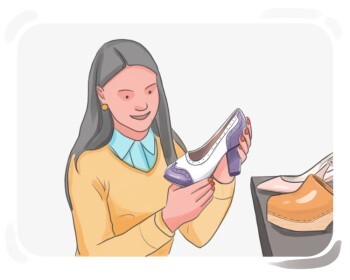
to feel that someone or something is good, enjoyable, or interesting
нравиться
Ему не нравится чувство спешки.
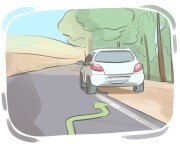
to not move anymore
остановить
Автобус остановился на автобусной остановке, чтобы забрать пассажиров.
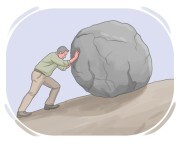
to make an effort or attempt to do or have something
пытаться
Он пытался поднять тяжелую коробку, но она была слишком тяжелой.
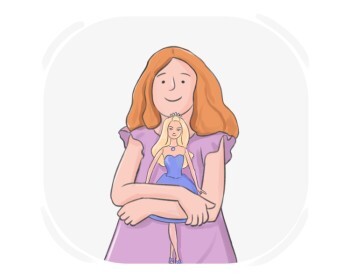
to hold or own something
иметь
У меня есть старое ожерелье моей бабушки.
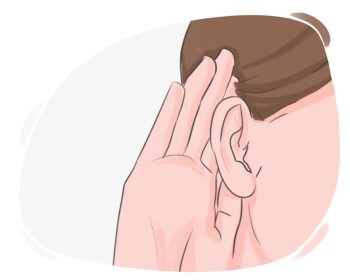
to notice the sound a person or thing is making
слышать, услышать
Я услышал шаги позади себя и быстро обернулся.
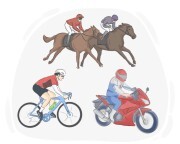
to sit on open-spaced vehicles like motorcycles or bicycles and be in control of their movements
ездить
Она ездит на велосипеде на работу каждый день.

to have your home somewhere specific
жить
Она предпочитает жить в тихой сельской местности вдали от многолюдных городов.
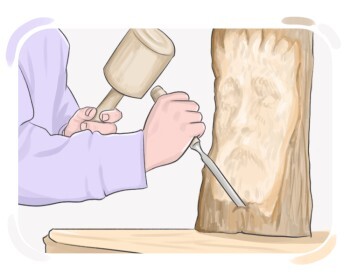
to form, produce, or prepare something, by putting parts together or by combining materials
создавать
Подключая провода, вы делаете цепь и позволяете электричеству течь.
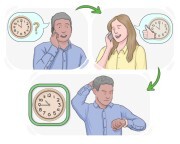
doing or happening after the time that is usual or expected
последний
Мы разделили поздний ужин у меня дома.
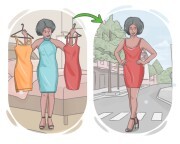
to think carefully about different things and choose one of them
принять решение
Ему пришлось решить, принимать ли предложение о работе.

having a very pleasant flavor
вкусный
Для меня самая вкусная еда всегда включает сыр.

an institution that offers higher education or specialized trainings for different professions
колледж
Я рад начать университет и получить степень.
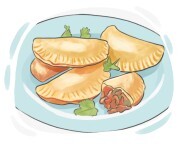
a fried or baked pastry filled with meat, cheese, vegetables, etc., mostly found in Spain and Latin America
эмпанада
Она заказала эмпанаду с говядиной из фудтрака на обед.
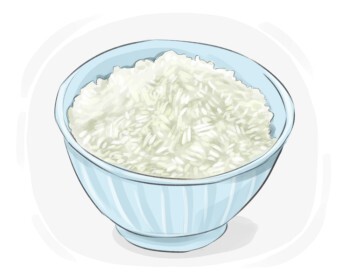
a small and short grain that is white or brown and usually grown and eaten a lot in Asia
рис
Я предпочитаю коричневый рис белому из-за его питательных свойств.

a seed growing in long pods on a climbing plant, eaten as a vegetable
боб
Мне нравится добавлять фасоль в свои салаты для дополнительной порции клетчатки и текстуры.

continuously, persistently, or without pause
постоянно
Кондиционер работает все время, он никогда не выключается.
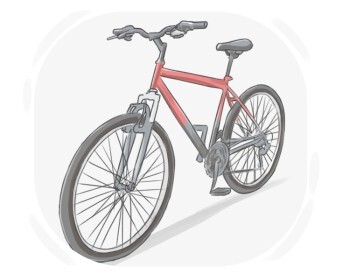
a vehicle that has two wheels and moves when we push its pedals with our feet
велосипед
Он ездит на работу на своем велосипеде каждое утро.
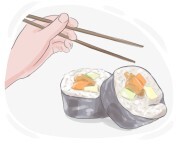
a dish of small rolls or balls of cold cooked rice flavored with vinegar and garnished with raw fish or vegetables, originated in Japan
суши
Ей нравится суши, особенно роллы с лососем и авокадо.
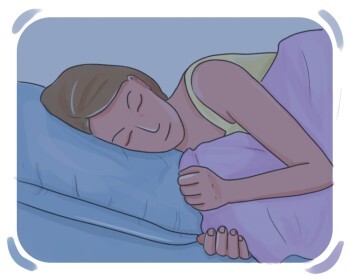
the natural state of resting that involves being unconscious, particularly for several hours every night
сон
Достаточный сон необходим для поддержания хорошего физического и психического здоровья.

in a way that is unexpected and causes amazement
удивительно
Она закончила гонку удивительно быстро, опередив всех своих соперников.
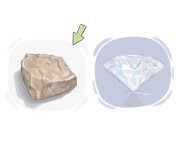
regular and without any exceptional features
общий
Встреча была наполнена обычными задачами и обсуждениями.

used to introduce a statement that provides additional information or emphasizes the truth or reality of a situation
на самом деле
Она сказала, что опоздает; на самом деле, она пришла только после того, как встреча уже началась.

the number of people who live in a particular city or country
население
Правительство приняло меры по контролю за ростом населения.
to walk or do other actions while one is sleeping
ходить во сне
С самого детства он иногда лунатил по дому, к большому удивлению своих родителей.

the most important thing that is said or done which highlights the purpose of something
точка, основная идея
Профессор сделал решающий момент о важности охраны окружающей среды.
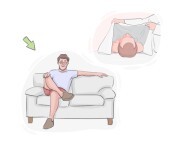
the state of existing as a person who is alive
жизнь
После аварии она начала видеть жизнь по-другому.
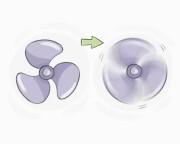
to make something operate, especially by accident
запустить
Пожалуйста, не включайте сигнализацию автомобиля, пока я внутри; ключи на сиденье.
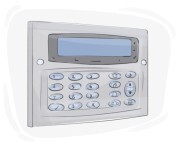
an electronic security device that, when activated, emits a loud noise to deter and alert about unauthorized entry into a house, building, or other premises
охранная сигнализация
Сигнализация сработала, отпугнув злоумышленников.