
Список Слов Уровня C2 - Химия
Здесь вы узнаете все основные слова для разговора о химии, собранные специально для учащихся уровня C2.
Обзор
Флэш-карточки
Правописание
Тест


a thermodynamic measure of the degree of disorder or randomness in a system, denoted by S

энтропия, термодинамический беспорядок
Когда лёд тает в воду при более высокой температуре, энтропия системы увеличивается.
a substance that is dissolved in a solvent, resulting in a solution
растворённое вещество, растворённый компонент
В соленой воде соль (NaCl) является растворенным веществом, которое растворяется в воде, растворителе.
a substance that takes part in and undergoes a chemical reaction, leading to the formation of new products
реагент
В фотосинтезе углекислый газ (CO₂) и вода (H₂O) являются реагентами, которые в присутствии солнечного света производят глюкозу (C₆H₁₂O₆) и кислород (O₂).
(chemistry) a substance that causes a chemical reaction to happen at a faster rate without undergoing any chemical change itself
катализатор
В процессе Габера железо используется в качестве катализатора для содействия синтезу аммиака из газообразного азота и водорода.
the acceleration or facilitation of a chemical reaction by a substance (catalyst) that remains unchanged at the end of the reaction
катализ, каталитическое ускорение
Ферментативный катализ играет ключевую роль в биологических процессах, включая синтез и распад биомолекул в живых организмах.
a chemical bond where atoms share electrons to form a stable molecule
ковалентная связь, ковалентная связь атомов
Ковалентные связи — это как атомы, делящиеся электронными объятиями, чтобы держаться вместе.
any of two or more compounds having the same molecular formula but different arrangements of atoms and, consequently, different properties
изомер, изомерное соединение
Пропанол и изопропанол являются изомерами, имеющими одинаковую молекулярную формулу, но различающимися в расположении своих атомов.
a large molecule composed of repeating structural units, or monomers, covalently bonded together in a chain-like structure
полимер, макромолекула
Полимер – это распространенный полимер, используемый в производстве пластиковых пакетов, бутылок и различных упаковочных материалов.
a molecule that can chemically bond with other molecules to form a polymer
мономер, молекула мономера
Этилен — это мономер, который полимеризуется с образованием полиэтилена, широко используемого пластика.
a compound composed of hydrogen and carbon atoms, with the simplest form being alkanes, alkenes, or alkynes
углеводород, соединение водорода и углерода
Метан (CH₄) — это простейший углеводород, относящийся к группе алканов.
a chemical compound derived from the reaction between an alcohol and an organic acid, typically with the elimination of water
эфир, химический эфир
Этилацетат, эфир, обычно используется в качестве растворителя в жидкостях для снятия лака.
an organic compound with a carbonyl group (C=O) bonded to a hydrogen atom and another carbon atom, commonly found in essential oils and used in various chemical processes
альдегид, карбонильное соединение
Альдегид — это альдегид с фруктовым запахом, часто используемый в синтезе химических веществ.
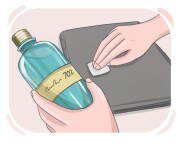
a compound with a hydroxyl group (-OH) attached to a carbon atom, widely used as solvents, fuels, and in pharmaceutical and chemical synthesis
спирт, этанол
Этанол — это спирт, содержащийся в алкогольных напитках, и он обычно используется в качестве растворителя.
an organic compound with a carbonyl group (C=O) bonded to two carbon atoms, commonly found in solvents, pharmaceuticals, and flavorings
кетон, карбонильное соединение
Ацетон — это распространённый кетон, широко используемый в качестве растворителя и средства для снятия лака.
a chemical reaction where electrons are transferred between substances
окислительно-восстановительная реакция, реакция окисления-восстановления
Горение древесины — это окислительно-восстановительная реакция, при которой древесина подвергается окислению, образуя диоксид углерода и воду.
the concentration of a solute in a solution, measured in moles per liter (mol/L or M)
молярность, молярная концентрация
Раствор с молярностью 0,5 М означает, что в каждом литре раствора содержится 0,5 моля растворенного вещества.
a substance that, when dissolved in a solution, produces ions and enables the conduction of electric current
электролит, электролитическое вещество
Хлорид натрия (NaCl) — это обычный электролит, который диссоциирует на ионы натрия (Na⁺) и ионы хлора (Cl⁻) в растворе.
a mixture where small particles of one substance are evenly dispersed in another substance, typically intermediate in size between solution and suspension particles
коллоид, коллоидная дисперсия
Туман состоит из мелких капель воды, рассеянных в воздухе, образуя коллоид.
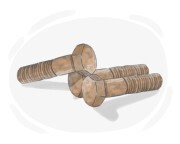
the gradual destruction of materials by chemical reaction, usually of metals
коррозия
Трубы в старом доме были сильно повреждены коррозией, что привело к утечкам по всей системе водоснабжения.
any water-soluble compound that can turn litmus blue and reacts with an acid to form a salt and water
щелочь
Гидроксид натрия — это сильное щелочное вещество, обычно используемое в производстве мыла.
a sharp-smelling gas made of nitrogen and hydrogen
аммиак
Аммиак имеет сильный, резкий запах, который может раздражать глаза и горло.
a combination of two or more metals, creating a metal that is usually stronger or more resistant
сплав
Сплав — это смесь двух или более металлов или металла и другого элемента.
a type of chemical element found in Group 17 of the periodic table, known for being highly reactive and commonly used in disinfectants and lights
галоген, галогенный элемент
Хлор — это галоген, обычно используемый в очистке воды благодаря своим дезинфицирующим свойствам.
each of two or more forms of the same element that contain equal numbers of protons but different numbers of neutrons in their nuclei, leading to variation in atomic mass
изотоп
Углерод-12 и углерод-14 являются изотопами углерода, причем первый имеет 6 нейтронов, а второй — 8 нейтронов.
any of the elements in Group 18 of the periodic table, including helium, neon, argon, krypton, xenon, and radon, characterized by their inert nature and stable electron configurations
благородный газ, инертный газ
Гелий, благородный газ, известен своей низкой плотностью и часто используется в воздушных шарах, чтобы заставить их летать.
a mixture of two liquids where tiny droplets of one are evenly dispersed in the other, like oil in water
эмульсия, смесь двух жидкостей
Майонез — это пример эмульсии, где масло и уксус образуют стабильную смесь благодаря добавлению яичного желтка в качестве эмульгатора.
the time required for half of a quantity of a substance to undergo a change or decay, typically in the context of radioactive decay or chemical reactions
период полураспада, время полураспада
Период полураспада радиоактивного изотопа определяет время, необходимое для распада половины начального количества в стабильный продукт.
a type of uranium that has most of its more radioactive isotopes removed, primarily used for armor-piercing ammunition and shielding
обеднённый уран, истощённый уран
Обеднённый уран является побочным продуктом процесса обогащения урана, используемого в ядерных реакторах.
a liquid that is capable of dissolving another substance
растворитель
Вода — это универсальный растворитель, способный растворять больше веществ, таких как соль и сахар, чем любая другая жидкость.
having an electric charge
зарядный
Металлический шар стал заряженным, когда его терли шерстяной тканью.
a chemical reaction between a fuel and an oxidizing agent, typically producing heat and light
горение, сгорание
Сгорание дров в камине обеспечило тепло и уютную атмосферу в гостиной.
| Список Слов Уровня C2 | |||
|---|---|---|---|
| Психология | Биология | Химия | Физика |
| Астрономия | Математика | Геология | Инженерия |
| Измерение | |||
