pattern

Гуманитарные Науки ACT - Коммуникация

Изучите лексику гуманитарных наук ACT для общения, включая речь, письмо, сообщения, убеждение, объяснение, интерпретацию и обмен идеями и информацией.

Повторение

Флэш-карточки

Правописание

Тест

Начать учиться
ACT Vocabulary for Humanities
to indicate
to indicate
[глагол]

to mention or express something in few words

упоминать,выражать

упоминать,выражать

Ex: She indicated her preference for Italian cuisine when choosing a restaurant for dinner. 

Она указала на своё предпочтение итальянской кухни, выбирая ресторан для ужина.

Закрыть
Войти
to demonstrate
to demonstrate
[глагол]

to explain something by providing examples, doing experiments, etc.

демонстрировать,показывать

демонстрировать,показывать

Ex: The biologist demonstrated the process using a simple experiment. 
Закрыть
Войти
to elucidate
to elucidate
[глагол]

to clarify and make something clear

разъяснять

разъяснять

Ex: During the lecture, the professor elucidated the intricate details of the scientific theory. 

Во время лекции профессор разъяснил сложные детали научной теории.

Закрыть
Войти
to elaborate
to elaborate
[глагол]

to explain something in greater detail or provide more information about it

разрабатывать
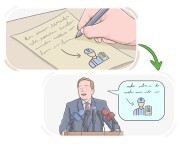
разрабатывать

Ex: Could you elaborate on what you mean by that? 
Закрыть
Войти
to specify
to specify
[глагол]

to clearly define or state specific details, characteristics, or requirements

уточнить, указать
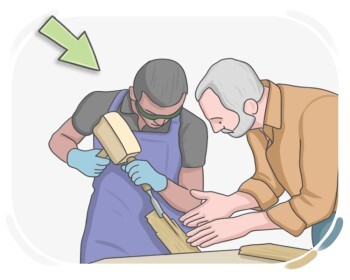
уточнить, указать

Ex: Please specify the size and color you want. 
Закрыть
Войти
to illustrate
to illustrate
[глагол]

to explain or show the meaning of something using examples, pictures, etc.

иллюстрировать
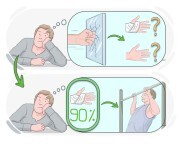
иллюстрировать

Ex: She used a chart to illustrate the differences between the two systems. 
Закрыть
Войти
to posit
to posit
[глагол]

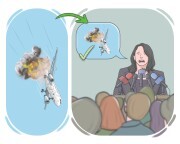
to propose or assume something as true or factual, serving as the foundation for further reasoning or argumentation

позиционировать

позиционировать

Ex: The scientist decided to posit the existence of an undiscovered particle to explain the anomalies in the experimental data. 

Учёный решил постулировать существование неоткрытой частицы, чтобы объяснить аномалии в экспериментальных данных.
Закрыть
Войти
to acknowledge
to acknowledge
[глагол]

to openly accept something as true or real

признавать

признавать

Ex: For the therapy to be effective, one must first acknowledge their feelings and emotions. 

Чтобы терапия была эффективной, сначала нужно признать свои чувства и эмоции.

Закрыть
Войти
to approve
to approve
[глагол]

to officially agree to a plan, proposal, etc.

утверждать

утверждать

Ex: The board of directors approved the new budget. 
Закрыть
Войти
to boast
to boast
[глагол]

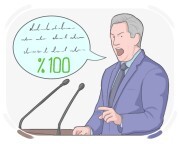
to speak with excessive pride about one's achievements, possessions, abilities, or qualities

хвастаться
хвастаться

Ex: Jason constantly boasts about how much money he earns. 
Закрыть
Войти
to assert
to assert
[глагол]

to state confidently and firmly that something is true

утверждать

утверждать

Ex: Sarah asserted that the figures in the report were accurate. 
Закрыть
Войти
to proclaim
to proclaim
[глагол]

to announce or declare something publicly or officially

провозглашать
провозглашать

Ex: The government proclaimed a national day of mourning. 
Закрыть
Войти
to hint
to hint
[глагол]

to suggest or communicate something indirectly rather than state it clearly

намекать

намекать

Ex: Sarah hinted that she might leave the company soon. 
Закрыть
Войти
to encapsulate
to encapsulate
[глагол]

to represent something in a short and brief manner

резюмировать,обобщать

резюмировать,обобщать

Ex: The executive summary encapsulated the main findings of the extensive market research. 

Исполнительное резюме обобщает основные выводы обширного исследования рынка.

Закрыть
Войти
to rave
to rave
[глагол]

to talk rapidly and incoherently, making it hard for others to understand what is being said

бредить,нести чепуху

бредить,нести чепуху

Ex: The artist raved about their creative process, describing it in a feverish, almost delirious manner. 

Художник восторженно говорил о своем творческом процессе, описывая его лихорадочным, почти бредовым образом.

Закрыть
Войти
to expound
to expound
[глагол]

to give an explanation of something by talking about it in great detail

объяснять

объяснять

Ex: The speaker will expound on the benefits of renewable energy in his presentation. 

Докладчик изложит преимущества возобновляемой энергии в своей презентации.

Закрыть
Войти
to concede
to concede
[глагол]

to admit that something is true or correct, especially after initially denying or disputing it

уступить

уступить

Ex: Daniel finally conceded that Emma's suggestion was better than his own. 
Закрыть
Войти
to cite
to cite
[глагол]

to mention something as an example, reason, or evidence in support of a statement or argument

цитировать

цитировать

Ex: The report cites several studies as evidence for its conclusions. 
Закрыть
Войти
to signal
to signal
[глагол]

to give someone a message, instruction, etc. by making a sound or movement

давать сигнал

давать сигнал

Ex: The coach signaled the players to execute a specific play using hand gestures. 

Тренер подал сигнал игрокам выполнить конкретный ход, используя жесты руками.

Закрыть
Войти
to retract
to retract
[глагол]

to formally withdraw a statement, claim, or opinion previously expressed

отказаться, официально отвергнуть

отказаться, официально отвергнуть

Ex: The newspaper retracted its allegations after discovering that the evidence was false. 
Закрыть
Войти
to outline
to outline
[глагол]

to give a brief description of something excluding the details

очертить

очертить

Ex: The report outlines the main causes of the problem. 
Закрыть
Войти
to postulate
to postulate
[глагол]

to suggest or assume the existence or truth of something as a basis for reasoning, discussion, or belief

постулировать

постулировать

Ex: Philosophers often postulate hypothetical scenarios to explore the limits of moral reasoning. 

Философы часто постулируют гипотетические сценарии, чтобы исследовать пределы морального рассуждения.

Закрыть
Войти
to oversimplify
to oversimplify
[глагол]

to make something so simple that it loses its original meaning, intention, or key facts

упрощать до крайности, чрезмерно упрощать

упрощать до крайности, чрезмерно упрощать

Ex: It's easy to oversimplify complex issues like climate change, but we must consider all the nuances. 

Легко упрощать сложные проблемы, такие как изменение климата, но мы должны учитывать все нюансы.

Закрыть
Войти
to condemn
to condemn
[глагол]

to express strong disapproval of someone or something, especially publicly

осуждать

осуждать

Ex: The organization condemned the violent attack in a public statement. 
Закрыть
Войти
to denounce
to denounce
[глагол]

to publicly express one's disapproval of something or someone

доносить

доносить

Ex: Several organizations publicly denounced the attack. 
Закрыть
Войти
to renounce
to renounce
[глагол]

to publicly reject a belief, principle, or association that one previously accepted or supported

отказываться

отказываться

Ex: The politician publicly renounced his former political beliefs. 
Закрыть
Войти
to disprove
to disprove
[глагол]

to prove that a claim, belief, or theory is false

опровергнуть

опровергнуть

Ex: The scientist conducted several experiments to disprove the theory. 
Закрыть
Войти
to recant
to recant
[глагол]

to take back a statement or belief, especially publicly

отрекаться

отрекаться

Ex: The politician currently faces pressure to recant his controversial statement made during the press conference. 

Политик в настоящее время сталкивается с давлением, чтобы отречься от своего спорного заявления, сделанного во время пресс-конференции.

Закрыть
Войти
to recite
to recite
[глагол]

to say something from memory, such as a poem or speech

декламировать

декламировать

Ex: The student recites the multiplication table in class. 

Студент декламирует таблицу умножения в классе.

Закрыть
Войти
to retell
to retell
[глагол]

to convey or tell something again, like a story, event, or experience

пересказывать,рассказать снова

пересказывать,рассказать снова

Ex: She retold the story to her younger sibling with enthusiasm. 

Она с энтузиазмом пересказала историю своему младшему брату или сестре.

Закрыть
Войти
to interject
to interject
[глагол]

to interrupt someone who is speaking by suddenly adding a comment, question, or opinion

вставлять замечание

вставлять замечание

Ex: "That's not what happened," Sarah interjected angrily. 
Закрыть
Войти
to articulate
to articulate
[глагол]

to pronounce or utter something in a clear and precise way

произносить ясно

произносить ясно

Ex: In the speech therapy session, he worked on how to articulate difficult sounds. 

На занятии по логопедии он работал над тем, как артикулировать сложные звуки.

Закрыть
Войти
to enunciate
to enunciate
[глагол]

to clearly and correctly articulate words

произносить

произносить

Ex: When teaching a language, it's essential to enunciate each syllable so that students can mimic correct pronunciation. 

При обучении языку важно чётко произносить каждый слог, чтобы ученики могли имитировать правильное произношение.

Закрыть
Войти
to pronounce
to pronounce
[глагол]

to produce the sounds of a word, letter, or other part of speech in a particular way

произносить

произносить

Ex: How do you pronounce this word in English? 
Закрыть
Войти
to murmur
to murmur
[глагол]

to speak or say something in a very quiet, low voice

бормотать

бормотать

Ex: Emily murmured a few words of encouragement to her son. 
Закрыть
Войти
to chant
to chant
[глагол]

to say words or phrases repeatedly and in a rhythmic manner

повторять,скандировать

повторять,скандировать

Ex: The crowd chanted the team's name throughout the match. 
Закрыть
Войти
to encode
to encode
[глагол]

(linguistics) to express a concept, thought, or idea in a foreign language

зашифровать

зашифровать

Ex: The translator worked diligently to encode the author's intentions. 

Переводчик усердно работал, чтобы закодировать намерения автора.

Закрыть
Войти
declaration
declaration
[существительное]

a formal or explicit statement expressing a fact, opinion, intention, or belief

заявление,декларация

заявление,декларация

Ex: Her declaration of support surprised several members of the committee. 
Закрыть
Войти
protestation
protestation
[существительное]

an assertive and direct statement of objection or disapproval

протест,возражение

протест,возражение

Ex: The workers' protestation against the new policy echoed through the halls of the building. 

Протест рабочих против новой политики прозвучал в залах здания.

Закрыть
Войти
rant
rant
[существительное]

a loud, forceful, or bombastic speech or outburst delivered with strong emotion, often critical or angry

тирада,гневная речь

тирада,гневная речь

Ex: He went on a rant about the city's traffic problems. 

Он устроил тираду о проблемах с дорожным движением в городе.

Закрыть
Войти
vocalization
vocalization
[существительное]

the act of using the voice to produce sounds or speech

вокализация,голосовое воспроизведение

вокализация,голосовое воспроизведение

Ex: Her vocalization during the presentation was clear and confident. 

Её вокализация во время презентации была чёткой и уверенной.

Закрыть
Войти
insistence
insistence
[существительное]

the act of strongly and persistently expressing or demanding something, often refusing to accept contrary opinions or suggestions

настойчивость

настойчивость

Ex: Her insistence on speaking to the manager delayed the meeting. 
Закрыть
Войти
groan
groan
[существительное]

a low, sorrowful sound typically made in response to pain, distress, or despair

неодобрение

неодобрение

Ex: He gave a groan of annoyance when he realized he had forgotten his keys. 

Он издал стон раздражения, когда понял, что забыл свои ключи.
Закрыть
Войти
statement
statement
[существительное]

an official announcement regarding something specific

заявление

заявление

Ex: The company issued a statement about the incident. 
Закрыть
Войти
lament
lament
[существительное]

a heartfelt often vocal expression of deep sorrow or grief

плач,стенание

плач,стенание

Ex: The widow's lament could be heard throughout the village as she mourned her loss. 

Плач вдовы был слышен по всей деревне, когда она оплакивала свою потерю.

Закрыть
Войти
inexplicable
inexplicable
[Прилагательное]

not having the quality to be explained, justified, or perceived

необъяснимый
необъяснимый

Закрыть
Войти
fluent
fluent
[Прилагательное]

able to speak or write clearly and effortlessly

свободный,беглый

свободный,беглый

Ex: She gave a fluent explanation of the new policy. 

Она дала беглое объяснение новой политики.

Закрыть
Войти
vernacular
vernacular
[Прилагательное]

relating to the everyday language spoken by ordinary people in a particular region or country

просторечный,народный

просторечный,народный

Ex: She gave a captivating speech in the vernacular dialect of her hometown, connecting deeply with the audience. 

Она произнесла захватывающую речь на родном диалекте своего родного города, глубоко соединившись с аудиторией.

Закрыть
Войти
inarticulate
inarticulate
[Прилагательное]

(of people) unable to express oneself clearly or easily

косноязычный

косноязычный

Ex: The interviewee appeared nervous and inarticulate, stumbling over his responses. 

Собеседник казался нервным и нечленораздельным, спотыкаясь в своих ответах.

Закрыть
Войти
expository
expository
[Прилагательное]

intended to explain and present information in a detailed manner

экспозиционный

экспозиционный

Ex: The textbook is written in an expository style. 

Учебник написан в объяснительном стиле.
Закрыть
Войти
descriptive
descriptive
[Прилагательное]

providing detailed information about how something looks, feels, sounds, or behaves

описательный

описательный

Ex: Her descriptive writing made the scenes in the novel come alive with vivid detail. 

Её описательное письмо оживило сцены в романе с яркими деталями.

Закрыть
Войти
eloquent
eloquent
[Прилагательное]

able to utilize language to convey something well, especially in a persuasive manner

красноречивый

красноречивый

Ex: The eloquent activist rallies support for social causes through impassioned and persuasive speeches. 

Красноречивый активист собирает поддержку для социальных причин через страстные и убедительные речи.

Закрыть
Войти
explicitly
explicitly
[Наречие]

in a manner that is direct and clear

явно, прямо

явно, прямо

Ex: The instructions were explicitly outlined in the manual. 

Инструкции были явно изложены в руководстве.

Закрыть
Войти
expressly
expressly
[Наречие]

in a clear and explicit manner, leaving no room for misunderstanding or confusion

явно,четко

явно,четко

Ex: The rule was expressly stated in the guidelines. 

Правило было явно указано в руководящих принципах.

Закрыть
Войти
Гуманитарные Науки ACT
КоммуникацияВзаимодействие
LanGeek
Скачать приложение LanGeek
