
Humanitní Vědy ACT - Komunikace
Naučte se slovní zásobu humanitních věd ACT pro komunikaci, včetně řeči, psaní, zpráv, přesvědčování, vysvětlování, interpretace a výměny myšlenek a informací.
Revize
Kartičky
tvary
Pravopis
Kvíz


to mention or express something in few words

zmínit, vyjádřit
to explain something by providing examples, doing experiments, etc.
demonstrovat, ilustrovat
to clarify and make something clear
objasnit, vyjasnit
Manažer objasní budoucí plány společnosti během nadcházejícího setkání zaměstnanců.
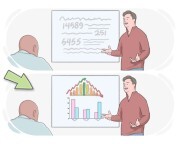
to explain something in greater detail or provide more information about it
rozvést, podrobněji vysvětlit
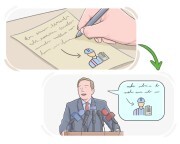
to clearly define or state specific details, characteristics, or requirements
upřesnit, specifikovat
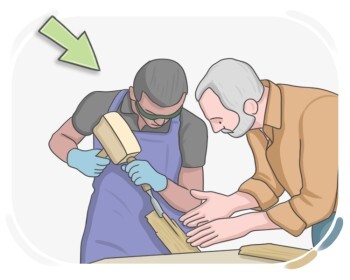
to explain or show the meaning of something using examples, pictures, etc.
ilustrovat, vysvětlit na příkladech
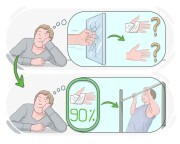
to propose or assume something as true or factual, serving as the foundation for further reasoning or argumentation
předpokládat, postulovat
Ve vědecké hypotéze výzkumníci často předpokládají určité podmínky, aby prozkoumali jejich potenciální účinky na experiment.
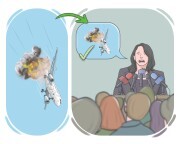
to openly accept something as true or real
uznat, přiznat

to officially agree to a plan, proposal, etc.
schválit, potvrdit

to speak with excessive pride about one's achievements, possessions, abilities, or qualities
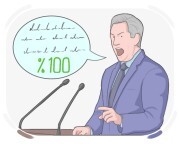
to state confidently and firmly that something is true
tvrdit, prohlašovat
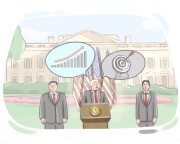
to announce or declare something publicly or officially
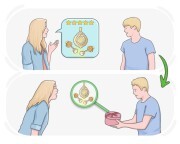
to suggest or communicate something indirectly rather than state it clearly
naznačit, napovídat
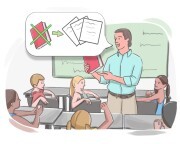
to represent something in a short and brief manner
shrnout, zkrátit
Ve svých závěrečných poznámkách řečník shrnutí klíčová témata konference.
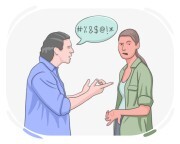
to talk rapidly and incoherently, making it hard for others to understand what is being said
blábolit, mluvit z cesty
Po příliš mnoha šálcích kávy začala blábolit o konspiračních teoriích.
to give an explanation of something by talking about it in great detail
vyložiti, podrobně vysvětlit
Autor vysvětluje hlavní témata knihy prostřednictvím zkušeností postav.

to admit, often reluctantly, that something is true or correct
připustit, uznat
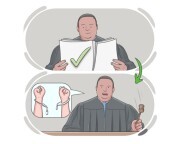
to mention something as an example, reason, or evidence in support of a statement or argument
citovat, uvádět

to give someone a message, instruction, etc. by making a sound or movement
signalizovat, dát znamení
to draw back from what was said publicly before; often by force
odvolat, stáhnout
Společnost se rozhodla stáhnout klamavou reklamu po stížnostech.
to give a brief description of something excluding the details
nastínit, stručně popsat
to suggest or assume the existence or truth of something as a basis for reasoning, discussion, or belief
postulovat, předpokládat
Filozof postuloval koncept přirozených lidských práv jako základ etických principů.
to make something so simple that it loses its original meaning, intention, or key facts
příliš zjednodušit, nadměrně zjednodušit
Zpráva analytika byla kritizována za přílišné zjednodušování ekonomických výzev, kterým země čelí.
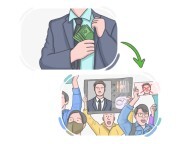
to express strong disapproval of someone or something, especially publicly
odsoudit, odsuzovat
to publicly express one's disapproval of something or someone
odsoudit, kritizovat
Organizace odsoudila nespravedlivé zacházení s pracovníky a zasazovala se o pracovní práva.
to reject or disown something previously accepted or claimed, often in a formal or public manner
zříci se, odříci se
Po skandálu se vzdala svého spojení s firmou.
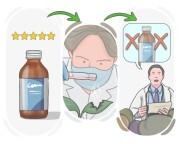
to show that something is false or incorrect
vyvrátit, dokázat nepravdivost
Advokát se pokusil vyvrátit svědectví svědka.
to take back a statement or belief, especially publicly
odvolat, zříci se
V historii ti, kdo byli obviněni z kacířství, museli někdy odvolat svá nekonvenční přesvědčení, aby se vyhnuli trestu.

to say something from memory, such as a poem or speech
recitovat, přednášet zpaměti
Byla schopna recitovat celou báseň bezchybně během třídní recitace.

to convey or tell something again, like a story, event, or experience
převyprávět, znovu vyprávět
Ona znovu vyprávěla svá oblíbená dětská vzpomínky svým vnoučatům.
to insert a comment, remark, or question abruptly into a conversation
vmísit, přerušit
On vsunul sarkastickou poznámku, která prolomila napětí.
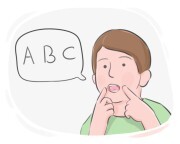
to pronounce or utter something in a clear and precise way
artikulovat, vyslovovat jasně
to clearly and correctly articulate words
artikulovat, vyslovovat zřetelně
Zpravodaj je vyškolen k jasné výslovnosti každého slova, aby zajistil, že publikum informacím porozumí.
to say the sound of a letter or word correctly or in a specific way
vyslovovat, artikulovat

to speak or say something in a very quiet, low voice
mumlat

to say words or phrases repeatedly and in a rhythmic manner
zpívat, skandovat
Trenér nechal tým skandovat jejich vítězný pokřik po výhře v zápase.
(linguistics) to express a concept, thought, or idea in a foreign language
kódovat, vyjádřit
Mezinárodní autorka obratně zakódovala své příběhy v různých jazycích.
a formal or explicit statement expressing a fact, opinion, intention, or belief
prohlášení, deklarace
an assertive and direct statement of objection or disapproval
protest, námitka
Navzdory jeho hlasitému protestu neviny ho porota shledala vinným.
a loud, forceful, or bombastic speech or outburst delivered with strong emotion, often critical or angry
hněvivá řeč, výbuch vzteku
Zákazník se pustil do rozzuřené tirády kvůli špatné službě.
the act of using the voice to produce sounds or speech
vokalizace, hlasové projevy
První vokalizace miminka přinesla úsměvy všem v místnosti.
the act of strongly and persistently expressing or demanding something, often refusing to accept contrary opinions or suggestions
trvání
a low, sorrowful sound typically made in response to pain, distress, or despair
sténání, povzdech
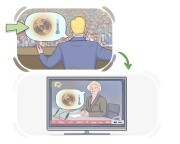
an official announcement regarding something specific
prohlášení, oznámení
a heartfelt often vocal expression of deep sorrow or grief
nářek, žalozpěv
V nočním tichu bylo slyšet nářek truchlící rodiny.
not having the quality to be explained, justified, or perceived
nevysvětlitelný
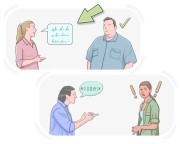
able to speak or write clearly and effortlessly
plynulý, pohotový
Její plynulé odpovědi zapůsobily na pohovorovou komisi.
relating to the everyday language spoken by ordinary people in a particular region or country
vernakulární, lidový
Román byl chválen za použití hovorového jazyka, díky čemuž dialog působil autenticky a srozumitelně.
(of people) unable to express oneself clearly or easily
nejasný, neschopný se vyjádřit
Při přebírání ceny se z emocí stala nezřetelná, snažila se najít správná slova.
intended to explain and present information in a detailed manner
výkladový, vysvětlující
Článek začíná výkladovým přehledem tématu.
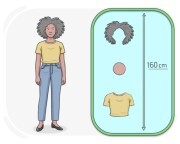
providing detailed information about how something looks, feels, sounds, or behaves
popisný, podrobný
Popisné štítky na produktech pomohly zákazníkům činit informovaná rozhodnutí.
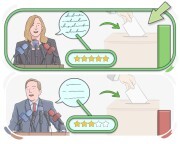
able to utilize language to convey something well, especially in a persuasive manner
výmluvný, přesvědčivý
Advokát přednesl výmluvný závěrečný projev, který přesvědčil porotu.
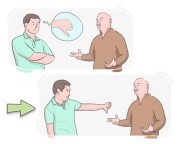
in a manner that is direct and clear
explicitně, jasně
Explicitně zmínil kroky, které je třeba dodržet v postupu.
in a clear and explicit manner, leaving no room for misunderstanding or confusion
výslovně, jasně
Politika byla výslovně sdělena všem zaměstnancům.
| Humanitní Vědy ACT | |||
|---|---|---|---|
| Komunikace | Interakce | ||
