
ACT Humanities - Communication
Learn ACT humanities vocabulary for communication, including speech, writing, messages, persuasion, explanation, interpretation, and the exchange of ideas and information.
Review
Flashcards
Forms
Spelling
Quiz


to mention or express something in few words
to explain something by providing examples, doing experiments, etc.
to clarify and make something clear

to explain something in greater detail or provide more information about it
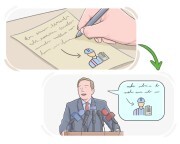
to clearly define or state specific details, characteristics, or requirements
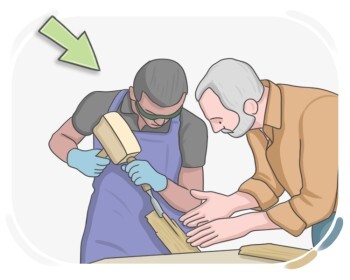
to explain or show the meaning of something using examples, pictures, etc.
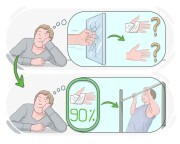
to propose or assume something as true or factual, serving as the foundation for further reasoning or argumentation
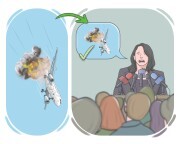
to openly accept something as true or real

to officially agree to a plan, proposal, etc.

to speak with excessive pride about one's achievements, possessions, abilities, or qualities
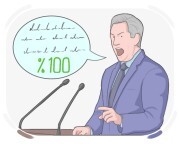
to state confidently and firmly that something is true

to announce or declare something publicly or officially
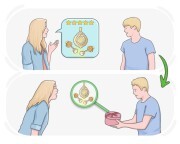
to suggest or communicate something indirectly rather than state it clearly

to represent something in a short and brief manner

to talk rapidly and incoherently, making it hard for others to understand what is being said
to give an explanation of something by talking about it in great detail

to admit, often reluctantly, that something is true or correct
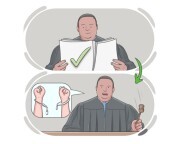
to mention something as an example, reason, or evidence in support of a statement or argument

to give someone a message, instruction, etc. by making a sound or movement
to draw back from what was said publicly before; often by force
to give a brief description of something excluding the details
to suggest or assume the existence or truth of something as a basis for reasoning, discussion, or belief
to make something so simple that it loses its original meaning, intention, or key facts

to express strong disapproval of someone or something, especially publicly
to publicly express one's disapproval of something or someone
to reject or disown something previously accepted or claimed, often in a formal or public manner

to show that something is false or incorrect
to take back a statement or belief, especially publicly

to say something from memory, such as a poem or speech

to convey or tell something again, like a story, event, or experience
to insert a comment, remark, or question abruptly into a conversation
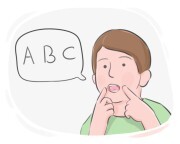
to pronounce or utter something in a clear and precise way
to clearly and correctly articulate words
to say the sound of a letter or word correctly or in a specific way

to speak or say something in a very quiet, low voice

to say words or phrases repeatedly and in a rhythmic manner
(linguistics) to express a concept, thought, or idea in a foreign language
a formal or explicit statement expressing a fact, opinion, intention, or belief
an assertive and direct statement of objection or disapproval
a loud, forceful, or bombastic speech or outburst delivered with strong emotion, often critical or angry
the act of using the voice to produce sounds or speech
the act of strongly and persistently expressing or demanding something, often refusing to accept contrary opinions or suggestions
a low, sorrowful sound typically made in response to pain, distress, or despair
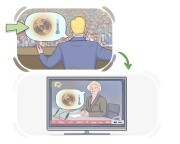
an official announcement regarding something specific
a heartfelt often vocal expression of deep sorrow or grief
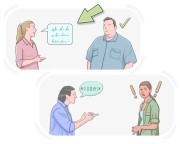
able to speak or write clearly and effortlessly
relating to the everyday language spoken by ordinary people in a particular region or country
(of people) unable to express oneself clearly or easily
intended to explain and present information in a detailed manner
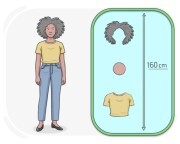
providing detailed information about how something looks, feels, sounds, or behaves
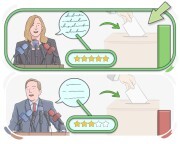
able to utilize language to convey something well, especially in a persuasive manner

in a manner that is direct and clear
| ACT Humanities | |||
|---|---|---|---|
| Communication | Interaction | ||
