pattern

Cambridge IELTS 18 - Academic - Test 2 - Reading - Passage 3 (1)

Here you can find the vocabulary from Test 2 - Reading - Passage 3 (1) in the Cambridge IELTS 18 - Academic coursebook, to help you prepare for your IELTS exam.

Review

Flashcards

Forms

Spelling

Quiz
Start learning
Cambridge IELTS 18 - Academic
ahead of {one's} time

having ideas, beliefs, or qualities that are more advanced or progressive than those of the current period or one's peers

Ex: His ideas were ahead of his time. 
Close
Sign in
genius
genius
[noun]

someone who is very smart or is very skilled in a specific activity
Ex: Albert Einstein is widely regarded as a genius in physics. 
Close
Sign in
to associate

to make a connection between someone or something and another in the mind

Ex: Many people associate the smell of freshly baked cookies with warmth and home. 
Close
Sign in
to embody
to embody
[Verb]

to express a particular characterization or a thing as a person

Ex: The protagonist in the novel is crafted to embody the spirit of rebellion. 
Close
Sign in
spirit
spirit
[noun]

a tendency or mindset of a particular type

Ex: He worked in the spirit of generosity. 
Close
Sign in
artistic
artistic
[Adjective]

having or showing creativity and skill in the arts

Ex: Both of my kids are very artistic and love to paint. 
Close
Sign in
humanist
humanist
[Adjective]

marked by humanistic values and devotion to human welfare

Close
Sign in
sensibility

the capacity to deeply appreciate and react to complicated emotional or aesthetic impacts
Ex: The poet’s sensibility enabled him to convey complicated emotions through simple verses. 
Close
Sign in
to fade
to fade
[Verb]

to disappear slowly

Ex: The enthusiasm has faded after months of setbacks. 
Close
Sign in
insignificance

the quality of having little or no significance

Close
Sign in
thinking
thinking
[noun]

the set of opinions or ideas that one has about something

Close
Sign in
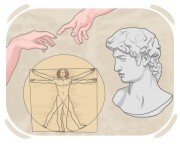
Renaissance

the period between the 14th and 16th centuries in Europe, marked by a rise of interest in Greek and Roman cultures, which is dominant in the art, philosophy, etc. of the times

Ex: The Renaissance period is known for its remarkable achievements in art, science, and literature. 
Close
Sign in
to mark
to mark
[Verb]

to serve as a distinguishing quality or characteristic of someone or something

Ex: The humility that marks her interactions with others sets her apart from her peers. 
Close
Sign in
transition

the process or period of changing from one state, place, or condition to another

Ex: The transition from winter to spring is often unpredictable. 
Close
Sign in
modernity
modernity
[noun]

the quality of being up-to-date or related to recent times, especially in culture, technology, or ideas

Ex: The artist’s work reflects the modernity of the 21st century, blending technology with traditional techniques. 
Close
Sign in
to [take] place

to occur at a specific time or location

Ex: The wedding will take place in a beautiful garden by the lake. 
Close
Sign in
plague
plague
[noun]

a dangerous disease spread by rats that causes fever and swellings, often kills if infected
Ex: The plague, also known as the Black Death, is a deadly infectious disease caused by the bacterium Yersinia pestis. 
Close
Sign in
global
global
[Adjective]

regarding or affecting the entire world
Ex: The pandemic has had a global impact on public health, economies, and daily life. 
Close
Sign in
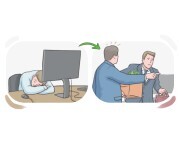
crisis
crisis
[noun]

a period of serious difficulty or danger that requires immediate action
Ex: During times of crisis, it's essential to remain calm and focused in order to effectively manage the situation and ensure the safety of those involved. 
Close
Sign in
to result in

to cause something to occur

Ex: His reckless driving resulted in a serious accident. 
Close
Sign in
on the cusp of
on the cusp of
[preposition]

at the starting point of a major development or change
Ex: She was on the cusp of starting a new chapter in her life as she graduated from college and prepared for her first job. 
Close
Sign in
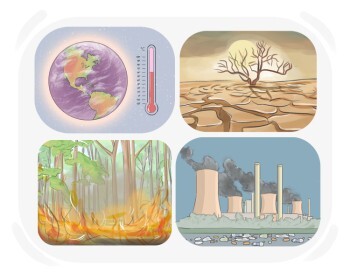
climate crisis

an urgent situation in which proper action must be taken to remove the threats done to the environment
Close
Sign in
widespread
widespread
[Adjective]

existing or spreading among many people, groups, or communities through communication, influence, or awareness

Ex: The misinformation about the new policy became widespread on social media. 
Close
Sign in
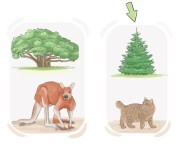
displacement

expulsion of people from their homes, typically caused by war, persecution, or natural catastrophe
Close
Sign in
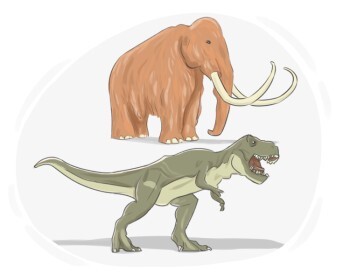
extinction

a situation in which a particular animal or plant no longer exists

Close
Sign in
unaddressed
unaddressed
[Adjective]

not addressed

Close
Sign in
radical
radical
[Adjective]

(of actions, ideas, etc.) very new and different from the norm

Ex: The scientist proposed a radical theory that challenged established beliefs. 
Close
Sign in
to call for

to make something required, necessary, or appropriate
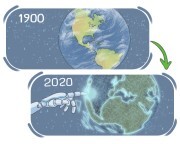
Ex: Success often calls for perseverance. 
Close
Sign in
to revolutionize

to change something in a significant or fundamental way
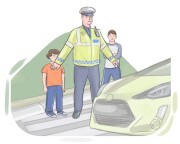
Ex: The invention of the internet revolutionized the way people communicate and access information. 
Close
Sign in
to safeguard

to take steps to ensure the safety and security of something or someone

Ex: The lifeguard diligently safeguards the pool, watching for any signs of danger. 
Close
Sign in
humanity
humanity
[noun]

the quality of being kind, empathetic, and understanding towards others, and treating them with respect and dignity

Ex: Her acts of humanity in the community earned her widespread admiration. 
Close
Sign in
catastrophe

a state of extreme ruin, misfortune, or irreversible damage

Ex: The company was in a catastrophe after years of mismanagement. 
Close
Sign in
pestilence

any epidemic disease with a high death rate

Close
Sign in
to turn to

to direct one's interest or attention toward a specific subject or activity

Ex: The group turned to brainstorming ideas for the upcoming event. 
Close
Sign in
urban planning

determining and drawing up plans for the future physical arrangement and condition of a community

Close
Sign in
to follow
to follow
[Verb]

to conform and adhere to the principles, practices, or guidelines established by someone or something

Ex: She follows a vegan lifestyle, avoiding all animal products. 
Close
Sign in
typical
typical
[Adjective]

representing the usual characteristics of a person, thing, or group

Ex: His punctuality is typical of a professional. 
Close
Sign in
trend
trend
[noun]

an overall way in which something is changing or developing

Ex: The current trend in fashion includes bold patterns and vibrant colors. 
Close
Sign in
due to
due to
[preposition]

as a result of a specific cause or reason
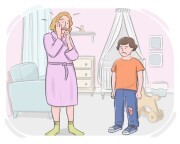
Ex: The flight delay was due to heavy fog at the airport. 
Close
Sign in
excessive
excessive
[Adjective]

beyond what is considered normal or socially acceptable

Ex: The amount of sugar in the cake was excessive, making it overly sweet. 
Close
Sign in
unfulfilled
unfulfilled
[Adjective]

indicating a goal, wish, etc. that has not been accomplished, carried out, or come true

Close
Sign in
given
given
[preposition]

used to indicate that something is provided or accepted as a basis for a particular situation or argument

Ex: Given the weather conditions, it would be wise to bring an umbrella. 
Close
Sign in
unsustainable
unsustainable
[Adjective]

not capable of being maintained or continued over the long term
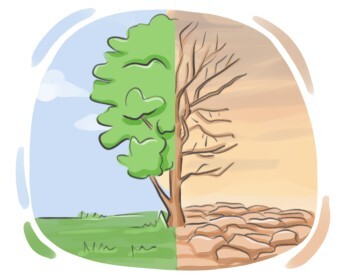
Ex: Deforestation for agriculture was causing an unsustainable loss of biodiversity in the region. 
Close
Sign in
global climate change

a change in the world's climate

Close
Sign in
natural
natural
[Adjective]

functioning or occurring in a normal way; lacking abnormalities or deficiencies

Close
Sign in
to wonder
to wonder
[Verb]

to want to know about something particular
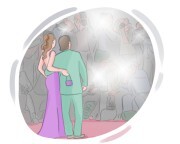
Ex: I often wonder what life would be like in a different time period. 
Close
Sign in
renowned
renowned
[Adjective]

famous and admired by many people

Ex: The renowned scientist was honored with a Nobel Prize for his groundbreaking research. 
Close
Sign in
era
era
[noun]

a period of history marked by particular features or events
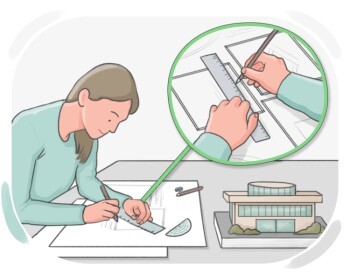
Ex: The fall of the Berlin Wall marked the beginning of a new era in European politics. 
Close
Sign in
architecture

the study or art of building and designing houses

Ex: She decided to study architecture because she was fascinated by the art and science of designing buildings. 
Close
Sign in
Renaissance man

a person who is skilled and knowledgeable in many different subjects or areas

Ex: The professor was a true Renaissance man with talents in science, art, and music. 
Close
Sign in
LanGeek
Download LanGeek app