pattern

Ordförråd för IELTS (Grundläggande) - Kropp

Här kommer du att lära dig några engelska ord om kroppen, såsom "bröst", "lunga", "tandkött" etc., som behövs för IELTS-provet.

Recension

Flashcards

Stavning

Quiz
Starta lärandet
Words for Basic IELTS
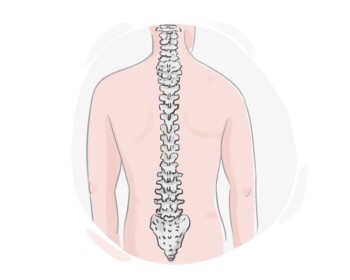
backbone
backbone
[Substantiv]

a line of connected bones going down from your neck to tail bone in the middle of the back

ryggrad, kotpelare

ryggrad, kotpelare

Ex: The gymnast demonstrated incredible flexibility in her backbone during her routine. 

Gymnasten visade otrolig flexibilitet i sin ryggrad under sin rutin.
Stäng
Logga in
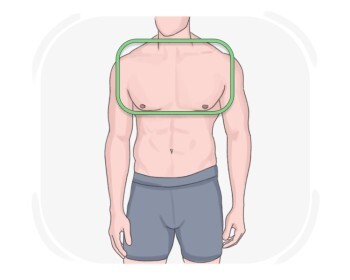
chest
chest
[Substantiv]

the front part of the body between the neck and the stomach

bröst,  thorax
bröst, thorax

Ex: He felt a sharp pain in his chest. 
Stäng
Logga in
false teeth
false teeth
[Substantiv]

artificial teeth designed to replace missing natural teeth, often used for cosmetic or functional purposes

tandprotes, löständer

tandprotes, löständer

Ex: She misplaced her false teeth and had to look for them. 

Hon tappade bort sina löständer och var tvungen att leta efter dem.
Stäng
Logga in
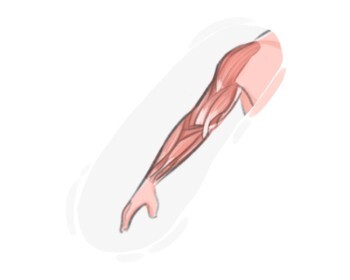
muscle
muscle
[Substantiv]

a piece of body tissue that is made tight or relaxed when we want to move a particular part of our body

muskel

muskel

Ex: She pulled a muscle in her leg while running. 
Stäng
Logga in
breast
breast
[Substantiv]

the front part of a person's upper body between the neck and abdomen

bröst,  barm
bröst, barm

Ex: The medal hung against the breast of his uniform. 
Stäng
Logga in
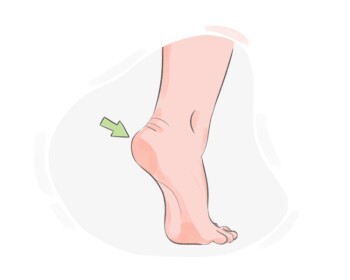
heel
heel
[Substantiv]

the rounded back part of the foot below the ankle

häl, fotens häl
häl, fotens häl

Ex: He felt a sharp pain in his heel while running. 
Stäng
Logga in
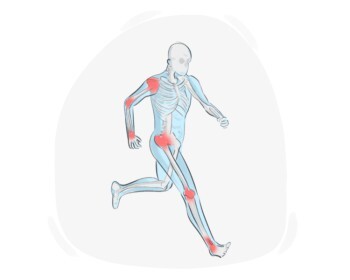
joint
joint
[Substantiv]

a place in the body where two bones meet, enabling one of them to bend or move around

led, fog
led, fog

Ex: The knee is a complex joint that allows the leg to bend. 
Stäng
Logga in
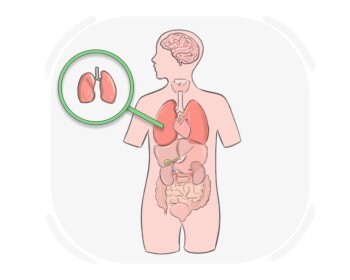
lung
lung
[Substantiv]

either of the two organs in the chest that allow people and many animals to breathe

lunga,  lungor
lunga, lungor

Ex: The left lung is slightly smaller than the right lung. 
Stäng
Logga in
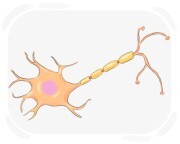
nerve
nerve
[Substantiv]

a bundle of fibers that carries signals between the brain or spinal cord and other parts of the body

nerv,  nervfiber
nerv, nervfiber

Ex: The surgeon carefully avoided cutting the nearby nerves. 
Stäng
Logga in
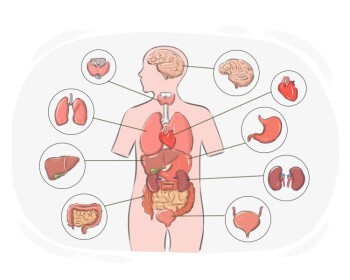
organ
organ
[Substantiv]

a distinct part of a person, animal, or plant that performs a particular function

organ,  kroppsorgan

organ, kroppsorgan

Ex: Daniel agreed to become an organ donor. 
Stäng
Logga in
skeleton
skeleton
[Substantiv]

the structure of bones supporting the body of an animal or a person

skelett, benstomme

skelett, benstomme

Ex: The doctor showed an image of the skeleton during the lecture. 

Läkaren visade en bild av skelettet under föreläsningen.
Stäng
Logga in
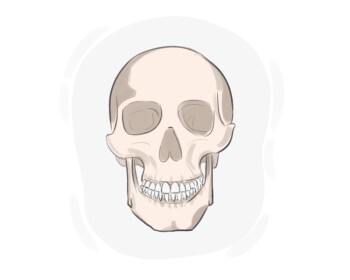
skull
skull
[Substantiv]

the bony structure of the head that surrounds and protects the brain
Ex: Scientists examined the animal's skull to identify the species. 
Stäng
Logga in
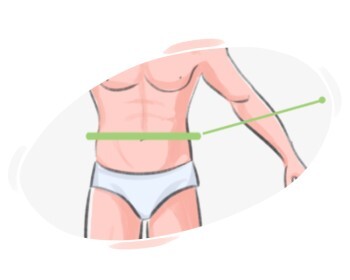
waist
waist
[Substantiv]

the part of the body between the ribs and hips, usually narrower than the areas above and below it

midja,  liv
midja, liv

Ex: These trousers feel tight around my waist. 
Stäng
Logga in
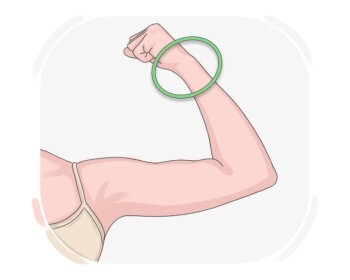
wrist
wrist
[Substantiv]

the part of the body connecting the hand to the forearm

Ex: Jake grabbed the rope firmly with both wrists bent. 
Stäng
Logga in
adrenaline
adrenaline
[Substantiv]

a body hormone produced in case of anger, fear, or excitement that makes the heart beat faster and the body react quicker

adrenalin
adrenalin

Ex: Athletes often experience an increase in adrenaline levels during competitive events, enhancing their performance. 
Stäng
Logga in
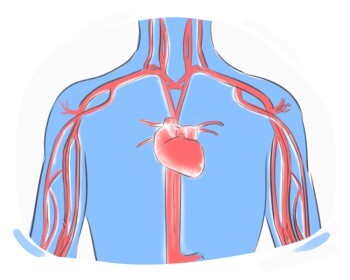
artery
artery
[Substantiv]

any blood vessel, carrying the blood to different organs of body from the heart

artär, blodkärl

artär, blodkärl

Ex: Arteries are blood vessels that carry oxygen-rich blood away from the heart to various parts of the body. 

Artärer är blodkärl som transporterar syrerikt blod från hjärtat till olika delar av kroppen.
Stäng
Logga in
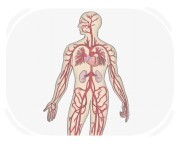
circulation
circulation
[Substantiv]

the continuous movement of blood through the heart and blood vessels around the body

cirkulation,  blodcirkulation
cirkulation, blodcirkulation

Ex: The nurse checked Emma's circulation after removing the bandage. 
Stäng
Logga in
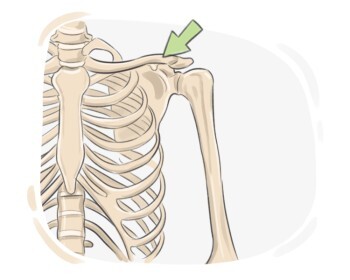
collarbone
collarbone
[Substantiv]

either of the pair of bones that go across the top of the chest from the base of the neck to the shoulders

nyckelben, halsben

nyckelben, halsben

Ex: The doctor palpated the area around his collarbone to check for any signs of injury. 

Läkaren palperade området kring hans nyckelben för att leta efter tecken på skada.
Stäng
Logga in
gum
gum
[Substantiv]

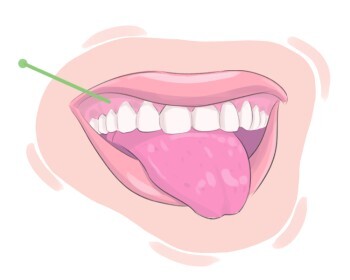
the firm, pink flesh around the roots of teeth at the top and bottom of the mouth

tandkött, gingival

tandkött, gingival

Ex: The dentist advised massaging the gums with a soft toothbrush for improved circulation. 

Tandläkaren rekommenderade att massera tandköttet med en mjuk tandborste för bättre cirkulation.
Stäng
Logga in
flesh
flesh
[Substantiv]

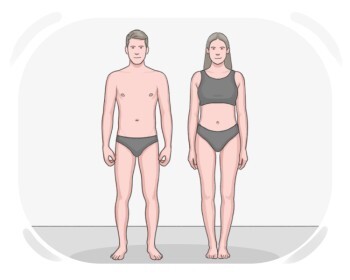
the human body or skin, especially considered as physical rather than spiritual
Ex: The blanket protected their exposed flesh from the cold. 
Stäng
Logga in
hormone
hormone
[Substantiv]

a chemical substance produced in the body of living things influencing growth and affecting the functionality of cells or tissues

hormon, hormonell substans

hormon, hormonell substans

Ex: Plant hormones like auxin direct stem growth toward light. 

Växthormoner som auxin styr stjälkens tillväxt mot ljuset.
Stäng
Logga in
limb
limb
[Substantiv]

an arm, leg, wing, flipper, or similar jointed appendage of a person or animal

lem,  extremitet
lem, extremitet

Ex: The seal uses its powerful limbs to move through the water. 
Stäng
Logga in
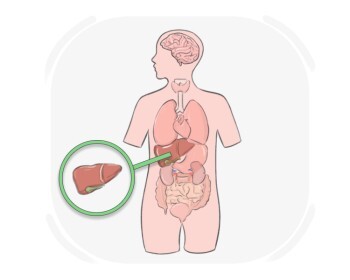
liver
liver
[Substantiv]

a large organ in the abdomen that performs many metabolic functions, including processing nutrients, producing bile, and removing harmful substances from the blood

lever, lever

lever, lever

Ex: The liver produces bile to help the body digest fats. 
Stäng
Logga in
pulse
pulse
[Substantiv]

the regular beating of the arteries caused by the pumping action of the heart

puls,  puls

puls, puls

Ex: Exercise made his pulse noticeably stronger and faster. 
Stäng
Logga in
spine
spine
[Substantiv]

the column of connected bones running down the back that supports the body and protects the spinal cord

ryggrad
ryggrad

Ex: An MRI revealed damage near the base of Michael's spine. 
Stäng
Logga in
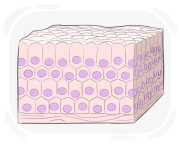
tissue
tissue
[Substantiv]

a group of similar cells that work together to form a particular part of a human, animal, or plant

vävnad,  biologisk vävnad
vävnad, biologisk vävnad

Ex: Scar tissue formed around the old wound. 
Stäng
Logga in
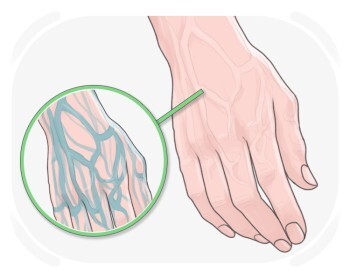
vein
vein
[Substantiv]

a blood vessel that carries blood from the body toward the heart

ven,  blodkärl
ven, blodkärl

Ex: Cold weather made the veins in Daniel's hands less visible. 
Stäng
Logga in
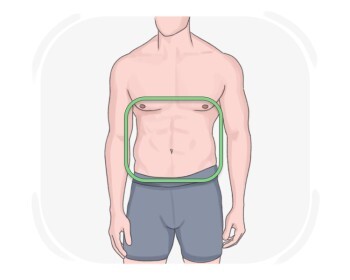
abdomen
abdomen
[Substantiv]

the lower part of the body below the chest that contains the digestive and reproductive organs

mage, buk

mage, buk

Ex: He noticed a faint bruise forming on his abdomen, a reminder of the impact from his fall earlier that day. 

Han märkte ett svagt blåmärke som bildades på hans buk, en påminnelse om stöten från hans fall tidigare den dagen.
Stäng
Logga in
anatomy
anatomy
[Substantiv]

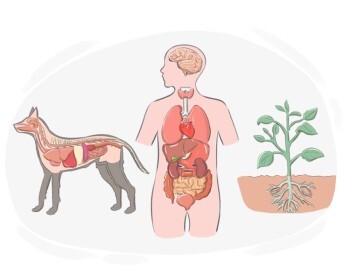
the branch of science that is concerned with the physical structure of humans, animals, or plants

anatomi

anatomi

Ex: His research in comparative anatomy helped explain evolutionary relationships among species. 

Hans forskning i jämförande anatomi hjälpte till att förklara de evolutionära sambanden mellan arter.
Stäng
Logga in
bladder
bladder
[Substantiv]

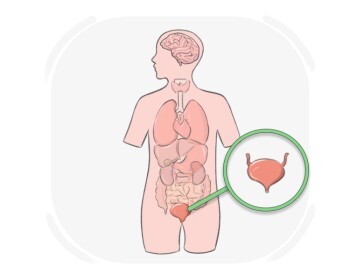
a sac-like organ inside the body where urine is stored before being passed

blåsa, urinblåsa

blåsa, urinblåsa

Ex: He drank a lot of water, ensuring his bladder stayed healthy and functioning well. 
Stäng
Logga in
LanGeek
Ladda ner LanGeek app