pattern

Vocabulário para IELTS (Básico) - Corpo

Aqui você aprenderá algumas palavras em inglês sobre o corpo, como "peito", "pulmão", "gengiva", etc., que são necessárias para o exame IELTS.

Revisar

Flashcards

Ortografia

Quiz
Começar a aprender
Words for Basic IELTS
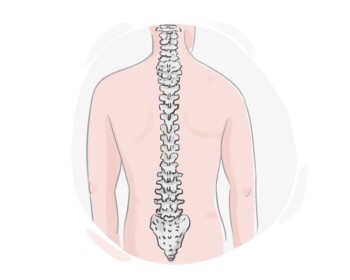
backbone
backbone
[substantivo]

a line of connected bones going down from your neck to tail bone in the middle of the back

coluna vertebral, espinha dorsal

coluna vertebral, espinha dorsal

Ex: The yoga instructor emphasized the importance of stretching the backbone in class. 

O instrutor de yoga enfatizou a importância de alongar a coluna vertebral na aula.
Fechar
Entrar
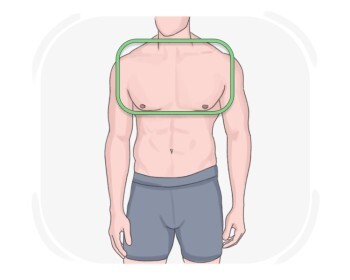
chest
chest
[substantivo]

the front part of the body between the neck and the stomach

peito,  tórax
peito, tórax

Ex: She felt a sense of relief as a weight was lifted off her chest. 
Fechar
Entrar
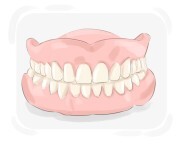
false teeth
false teeth
[substantivo]

artificial teeth designed to replace missing natural teeth, often used for cosmetic or functional purposes

dentes artificiais, dentadura

dentes artificiais, dentadura

Ex: He removed his false teeth before going to bed. 

Ele removeu seus dentes postiços antes de ir para a cama.
Fechar
Entrar
muscle
muscle
[substantivo]

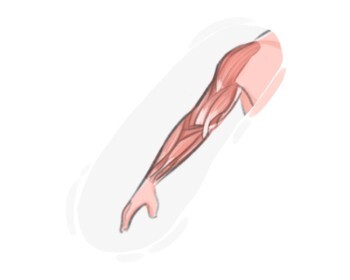
a piece of body tissue that is made tight or relaxed when we want to move a particular part of our body

músculo

músculo

Ex: She felt sore in her leg muscles after a long hike. 
Fechar
Entrar
breast
breast
[substantivo]

the front part of a person's upper body between the neck and abdomen

peito,  seio
peito, seio

Ex: He crossed his arms over his breast and stared silently ahead. 
Fechar
Entrar
heel
heel
[substantivo]

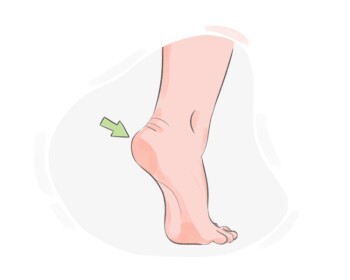
the rounded back part of the foot below the ankle

calcanhar, talão
calcanhar, talão

Ex: The doctor examined the swelling around her heel. 
Fechar
Entrar
joint
joint
[substantivo]

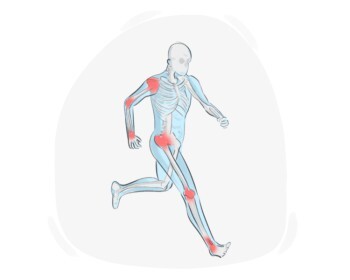
a place in the body where two bones meet, enabling one of them to bend or move around

articulação, junta
articulação, junta

Ex: The elbow joint enables the arm to bend and extend, facilitating various activities such as lifting and reaching. 
Fechar
Entrar
lung
lung
[substantivo]

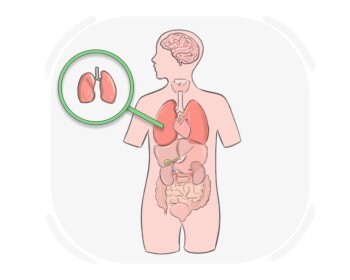
either of the two organs in the chest that allow people and many animals to breathe
Ex: Oxygen passes from the lungs into the bloodstream. 
Fechar
Entrar
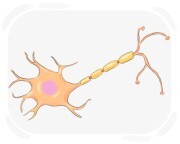
nerve
nerve
[substantivo]

a bundle of fibers that carries signals between the brain or spinal cord and other parts of the body

nervo,  nervo periférico
nervo, nervo periférico

Ex: A trapped nerve can cause pain that spreads down the leg. 
Fechar
Entrar
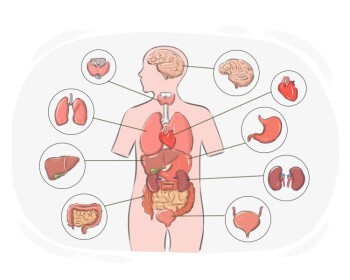
organ
organ
[substantivo]

a distinct part of a person, animal, or plant that performs a particular function

órgão,  órgão corporal

órgão, órgão corporal

Ex: A plant's roots are organs that absorb water and minerals from the soil. 
Fechar
Entrar
skeleton
skeleton
[substantivo]

the structure of bones supporting the body of an animal or a person

esqueleto, ossatura

esqueleto, ossatura

Ex: Scientists discovered a dinosaur skeleton in the desert. 

Cientistas descobriram um esqueleto de dinossauro no deserto.
Fechar
Entrar
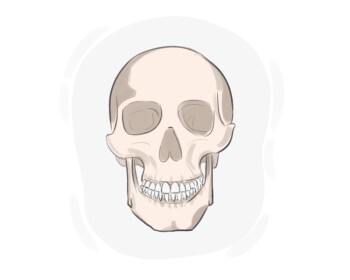
skull
skull
[substantivo]

the bony structure of the head that surrounds and protects the brain

crânio,  caixa craniana
crânio, caixa craniana

Ex: The museum displayed the skull of a prehistoric animal. 
Fechar
Entrar
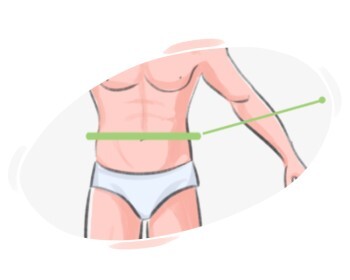
waist
waist
[substantivo]

the part of the body between the ribs and hips, usually narrower than the areas above and below it
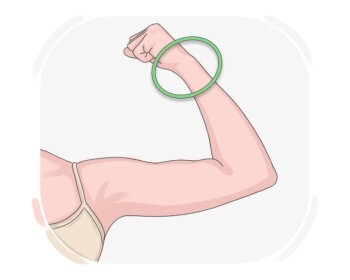
Ex: Jake injured a muscle near his waist while lifting the box. 
Fechar
Entrar
wrist
wrist
[substantivo]

the part of the body connecting the hand to the forearm

Ex: She wore a silver bracelet around her wrist. 
Fechar
Entrar
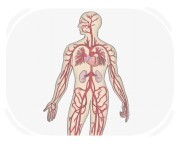
adrenaline
adrenaline
[substantivo]

a body hormone produced in case of anger, fear, or excitement that makes the heart beat faster and the body react quicker

adrenalina
adrenalina

Ex: The adrenaline pumping through his veins gave him the courage to confront his fears and speak up. 
Fechar
Entrar
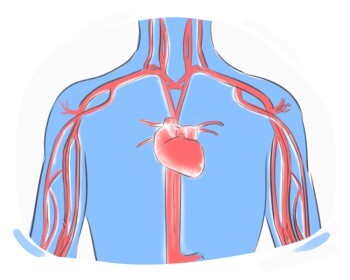
artery
artery
[substantivo]

any blood vessel, carrying the blood to different organs of body from the heart

artéria, vaso sanguíneo

artéria, vaso sanguíneo

Ex: The largest artery in the body is the aorta, which originates from the left ventricle of the heart and distributes blood to the rest of the body. 

A maior artéria do corpo é a aorta, que se origina do ventrículo esquerdo do coração e distribui sangue para o resto do corpo.
Fechar
Entrar
circulation
circulation
[substantivo]

the continuous movement of blood through the heart and blood vessels around the body

circulação,  circulação sanguínea
circulação, circulação sanguínea

Ex: Walking regularly helps maintain healthy blood circulation. 
Fechar
Entrar
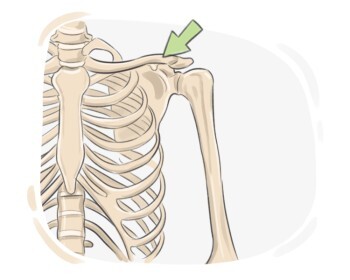
collarbone
collarbone
[substantivo]

either of the pair of bones that go across the top of the chest from the base of the neck to the shoulders

clavícula, osso do pescoço

clavícula, osso do pescoço

Ex: The athlete's strong collarbone structure helped support the weight of heavy lifting. 

A estrutura forte da clavícula do atleta ajudou a suportar o peso do levantamento pesado.
Fechar
Entrar
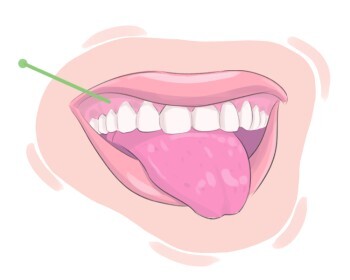
gum
gum
[substantivo]

the firm, pink flesh around the roots of teeth at the top and bottom of the mouth

gengiva, gengival

gengiva, gengival

Ex: The dentist recommended a mouthwash to improve gum health. 

O dentista recomendou um enxaguante bucal para melhorar a saúde das gengivas.
Fechar
Entrar
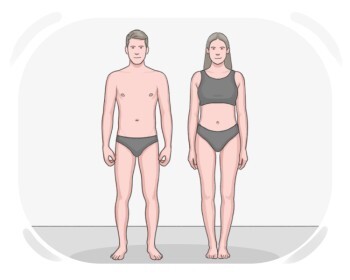
flesh
flesh
[substantivo]

the human body or skin, especially considered as physical rather than spiritual
Ex: The tradition emphasizes a struggle between the spirit and the flesh. 
Fechar
Entrar
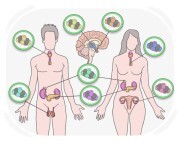
hormone
hormone
[substantivo]

a chemical substance produced in the body of living things influencing growth and affecting the functionality of cells or tissues

hormônio, substância hormonal

hormônio, substância hormonal

Ex: Estrogen, a key hormone, influences female sexual development. 

O estrogênio, um hormônio chave, influencia o desenvolvimento sexual feminino.
Fechar
Entrar
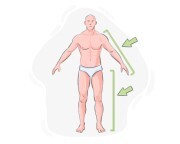
limb
limb
[substantivo]

an arm, leg, wing, flipper, or similar jointed appendage of a person or animal

membro,  extremidade
membro, extremidade

Ex: Physical therapy helped Sarah regain movement in the affected limb. 
Fechar
Entrar
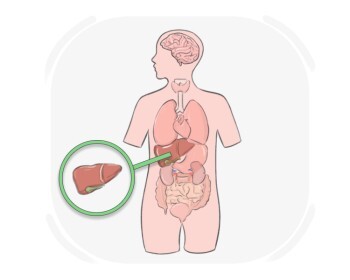
liver
liver
[substantivo]

a large organ in the abdomen that performs many metabolic functions, including processing nutrients, producing bile, and removing harmful substances from the blood

fígado, fígado

fígado, fígado

Ex: Certain medicines are processed by the liver. 
Fechar
Entrar
pulse
pulse
[substantivo]

the regular beating of the arteries caused by the pumping action of the heart

pulso,  pulso

pulso, pulso

Ex: Emma felt the patient's pulse before taking his blood pressure. 
Fechar
Entrar
spine
spine
[substantivo]

the column of connected bones running down the back that supports the body and protects the spinal cord

coluna vertebral,  espinha dorsal
coluna vertebral, espinha dorsal

Ex: Sarah felt a sharp pain running down her spine. 
Fechar
Entrar
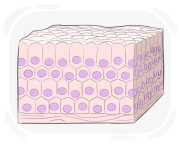
tissue
tissue
[substantivo]

a group of similar cells that work together to form a particular part of a human, animal, or plant

tecido,  tecido biológico
tecido, tecido biológico

Ex: The disease can affect healthy brain tissue. 
Fechar
Entrar
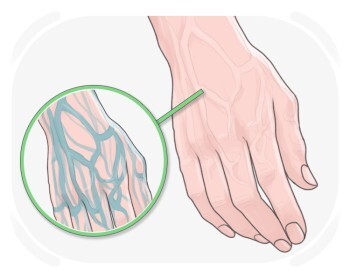
vein
vein
[substantivo]

a blood vessel that carries blood from the body toward the heart
Ex: Blood returns to the heart through the veins. 
Fechar
Entrar
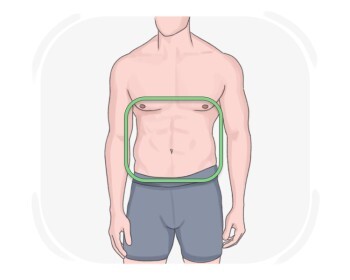
abdomen
abdomen
[substantivo]

the lower part of the body below the chest that contains the digestive and reproductive organs

abdômen, ventre

abdômen, ventre

Ex: She engaged her core muscles, feeling a slight burn in her abdomen as she completed another set of crunches. 

Ela contraiu os músculos do core, sentindo uma leve queimação no abdômen ao completar mais uma série de abdominais.
Fechar
Entrar
anatomy
anatomy
[substantivo]

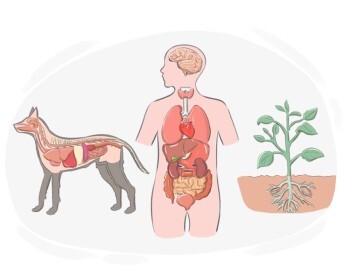
the branch of science that is concerned with the physical structure of humans, animals, or plants

anatomia

anatomia

Ex: The textbook on anatomy included detailed diagrams of the muscular and skeletal systems. 

O livro didático sobre anatomia incluía diagramas detalhados dos sistemas muscular e esquelético.
Fechar
Entrar
bladder
bladder
[substantivo]

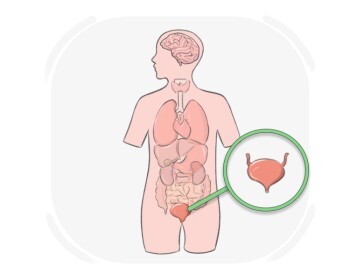
a sac-like organ inside the body where urine is stored before being passed

bexiga, bexiga urinária

bexiga, bexiga urinária

Ex: The ultrasound showed that the bladder was functioning normally. 

O ultrassom mostrou que a bexiga estava funcionando normalmente.

Fechar
Entrar
LanGeek
Baixar o aplicativo LanGeek