A2 Düzeyi Kelime Listesi - Bağlaçlar ve Edatlar
Cümleleri bağlamak ve zaman, yer, neden, yön gibi ilişkileri ifade etmek için önemli A2 İngilizce bağlaçları ve edatları öğrenin.
Gözden Geçir
Flash kartlar
Yazım
Quiz


used to connect two words, phrases, or sentences referring to related things

ve
Restoran çeşitli yemekler sunar, ve hizmet mükemmeldir.
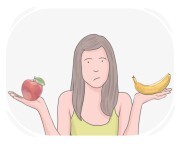
used to connect alternatives or introduce another possibility
ya
Kahvaltınızla kahve veya çay içmeyi seçebilirsiniz.
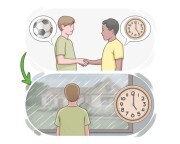
used for introducing a word, phrase, or idea that is different to what has already been said
ama
Hava güneşliydi, ama aniden yağmur yağmaya başladı.
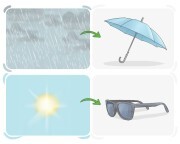
used to say that something happening, existing, etc. depends on another thing happening, existing, etc.
eğer
İsterseniz yürüyüşe çıkabiliriz eğer.
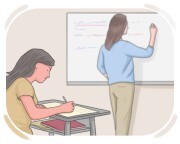
used to say that something is happening at the same time with another
-ar/er ken
O, komik şakayı okurken gülümsedi.
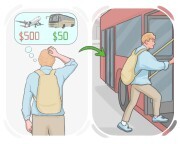
used for introducing the reason of something
çünkü
used to introduce a consequence or result of the preceding clause
bu yüzden
Pasaportunu kaybetti, bu yüzden uçağını kaçırdı.
used to express a period from a specific past time up to now or another specified point
[-dan/den beri]
Antrenmana başladığından beri çok gelişti.
used to indicate a result or outcome related to what has just been said or happened
madem ki
at some point subsequent to when something happens
-den/dan sonra
İlacı aldıktan sonra kendini çok daha iyi hissetti.
used to indicate that one event happens earlier than another event in time
[-dan/den] önce
Lütfen televizyon izlemeden önce ödevini bitir.
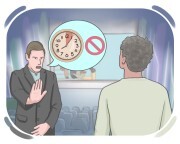
used to express that something happens at the same time or right after another thing
-diği zaman
Bir kez işlerini bitirdiğinde, dışarı çıkıp oynayabilirsin.

used to introduce a contrast to what has just been said
buna rağmen
Gerçi gergindi, sürücü sınavını geçti.

used to say something surprising compared to the main idea
-a/e rağmen
Gerçi Fransızcayı akıcı konuşamasa da, bir Paris restoranında yemek siparişi verebilir.

used to introduce a subordinate clause expressing a statement, thought, or reported speech
ki
Umarız ki işler yakında düzelir.
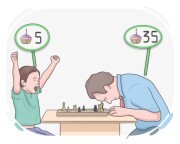
used to add a statement that is surprising compared to what has just been said
yine de
Filmin eleştirileri karışıktı, yine de onu eğlenceli buldum.
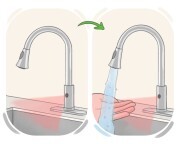
used to indicate that two things happen at the same time or during something else
-diğinde
Çalar saat, uyanma zamanı geldiğinde ne zaman çalar.
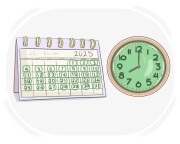
at any or every time
ne zaman olursa
En sevdiği şarkıyı duyduğu her zaman gülümser.
used to refer to a particular situation, stage, or place
diği yer
Lütfen bana yarın toplantının nerede yapılacağını bildirin.
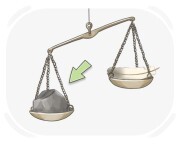
used to introduce a statement that is true for one thing and false for another
halbuki
Tom açık hava etkinliklerinden hoşlanır, oysa kız kardeşi içeride kalmayı sever.
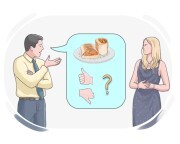
used to talk about a doubt or choice when facing two options
[-ip -meyeceği/-ıp -mayacağı]
Jane, arkadaşına öğle yemeğinde ona katılmak isteyip istemediğini veya ayrı yemek yemek isteyip istemediğini sordu.
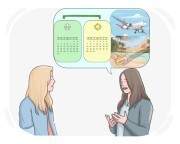
used to express that something happens continuously from the beginning to the end of a period of time
boyunca, sürece
Sıcaklık gece boyunca önemli ölçüde düştü.

used to show that something continues or lasts up to a specific point in time and often not happening or existing after that time
kadar, dek
Film, gelecek aya kadar sinemalarda olacak.
used for showing the place where a person or thing comes from
[-dan/den]
O, Ortabatı'da küçük bir kasabadan geliyor.
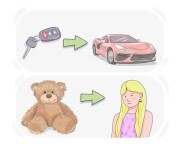
used to indicate someone's or something's ownership or relation to a thing or person
[-ın/nın]
Bu, ünlü bir yazarın günlüğüdür.
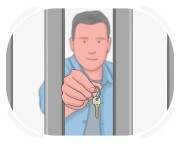
used to indicate movement into one side and out of the opposite side of something
arasından
Su borudan içinden aktı ve rezervuara döküldü.
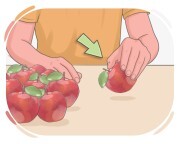
used to introduce an exclusion
dışında, haricinde
used to indicate an exception or exclusion from something or someone
haricinde, dışında
İtalyanca hariç, birçok dil konuşabilir.
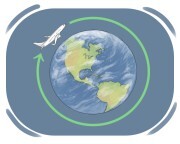
in every direction surrounding a person or object
etrafında, çevresinde
Sis gölün etrafında sessizce toplandı.
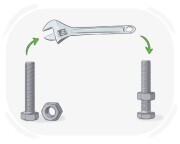
used to show how something is done or achieved
sayesinde
Sorun, farkındalık yaratılarak ele alındı.
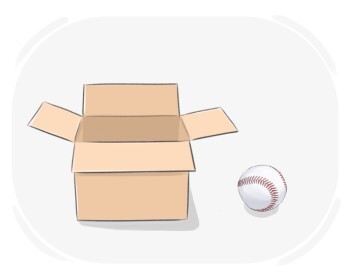
on or to a place beyond the borders of something
dışarısında, dışında
Müzenin dışında güzel bir bahçe var.

used to indicate that something or someone is located in, happening within, or moving into the inner part of something
içinde, içerisinde
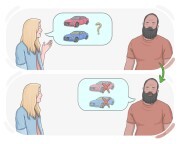
used to add another negative statement related to the previous one
ne de
Dükkân meyve satmıyor, ne de sebze satıyor.
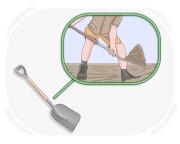
used to indicate who is supposed to have or use something or where something is intended to be put
için
Bu ilaç alerjimi tedavi etmek için.
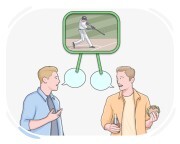
used to express the matters that relate to a specific person or thing
hakkında
Bu akşam televizyonda iklim değişikliği hakkında bir belgesel var.
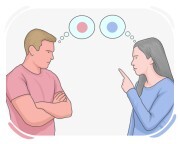
in opposition to someone or something
[-e/a] karşı
Bu ilaç, grip semptomlarına karşı etkilidir.