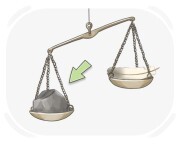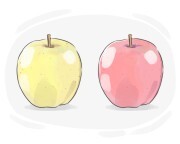

used to connect two words, phrases, or sentences referring to related things

と
私は本を読むことと映画を見ることが好きです。
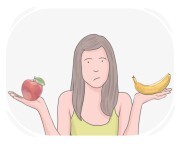
used to connect alternatives or introduce another possibility
または
本を読むのとテレビ番組を見るのと、どちらが好きですか か ?
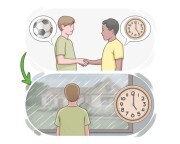
used for introducing a word, phrase, or idea that is different to what has already been said
しかし, だが
彼女はサッカーをするのが大好きですが、しかし彼女の姉妹はバスケットボールを好みます。
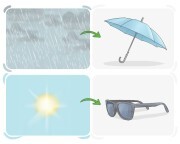
used to say that something happening, existing, etc. depends on another thing happening, existing, etc.
もし
宿題を時間内に終わらせたら、パーティーに行きます。
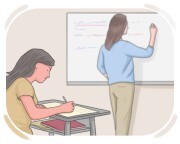
used to say that something is happening at the same time with another
ながら, として
太陽が沈むにつれて、空はオレンジとピンクの美しい色合いに変わった。
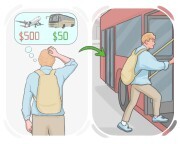
used for introducing the reason of something
なぜなら, ので
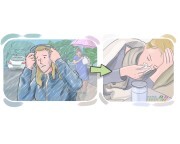
used to introduce a consequence or result of the preceding clause
だから, それで
まだ痛かったので、だから専門家に会いに行きました。
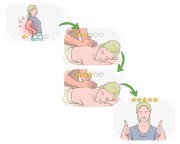
used to express a period from a specific past time up to now or another specified point
以来, から
ここに来てから、気分が良くなりました。
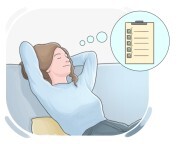
used to indicate a result or outcome related to what has just been said or happened
今や, だから
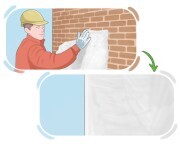
at some point subsequent to when something happens
後に, するとすぐに
映画が終わった後、私たちはアイスクリームを食べに出かけました。
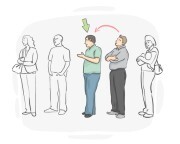
used to indicate that one event happens earlier than another event in time
前に, 以前に
出かける前にドアに鍵をかけるのを忘れないでください。
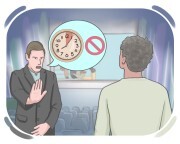
used to express that something happens at the same time or right after another thing
一度, するとすぐに
駅に着き次第、電話します。

used to introduce a contrast to what has just been said
にもかかわらず, とはいえ
にもかかわらず雨が降っていたが、私たちはそれでも公園に行った。
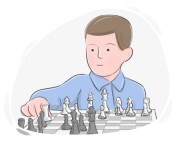
used to say something surprising compared to the main idea
にもかかわらず, とはいえ
にもかかわらず、彼は試験のために勉強しなかったが、それでもAを取ることができた。

used to introduce a subordinate clause expressing a statement, thought, or reported speech
という
彼女は結果に満足していると言いました と。
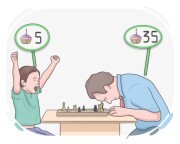
used to add a statement that is surprising compared to what has just been said
それでも、しかし
彼は必要な資格をすべて持っていたが、それでもその仕事に就けなかった。
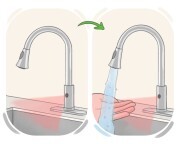
used to indicate that two things happen at the same time or during something else
とき, ながら
彼はプレゼンテーションをしなければならないとき、緊張を感じた。
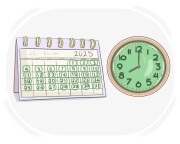
at any or every time
いつでも, するたびに
猫は食べ物の匂いを嗅ぐたびにキッチンに走って来ます。
used to refer to a particular situation, stage, or place
どこ, どこに
友達に会いに行けるように、彼女がどこに住んでいるのか調べる必要があります。
used to introduce a statement that is true for one thing and false for another
一方で, に対して
ジェームズは外向的でおしゃべりですが、一方で彼の兄弟は控えめで静かです。
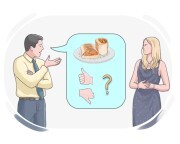
used to talk about a doubt or choice when facing two options
かどうか
彼は、留学すべきか母国に残るべきかどうかを理解しようとしています。
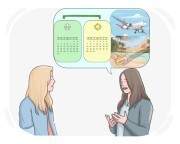
used to express that something happens continuously from the beginning to the end of a period of time
の間に, の間中
私は朝の通勤中に音楽を聴くのが好きです の間に.
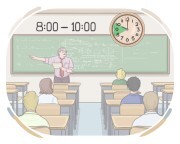
used to show that something continues or lasts up to a specific point in time and often not happening or existing after that time
まで, までに
私は午後5時まであなたを待ちます。
used for showing the place where a person or thing comes from
から, より
私はオーストラリアにいるいとこから手紙を受け取りました。
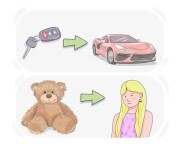
used to indicate someone's or something's ownership or relation to a thing or person
の
彼は成功した会社 の 取締役です。
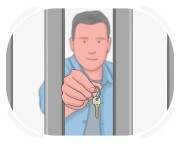
used to indicate movement into one side and out of the opposite side of something
を通って, を貫通して
猫はフェンスを通り抜けて滑り込み、茂みの中に消えた。
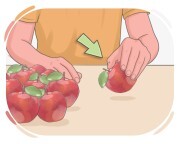
used to introduce an exclusion
を除いて, 以外
used to indicate an exception or exclusion from something or someone
以外に, を除いて
私の妹を除いて、私たちの家族全員がスポーツを愛しています。
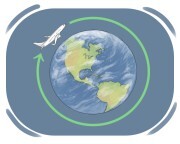
in every direction surrounding a person or object
周りに, 周囲に
小さなコテージの周りに木々が密生して立っていた。
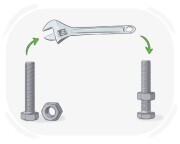
used to show how something is done or achieved
によって, を通じて
問題はチームワークで解決されました。
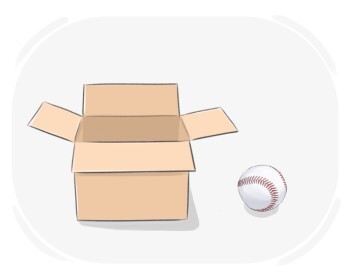
on or to a place beyond the borders of something
の外に, の外側に
博物館の外には素敵な庭があります。
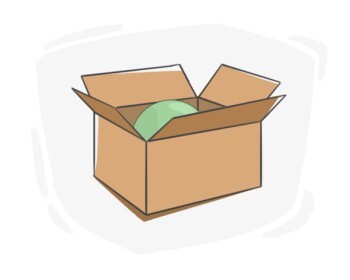
used to indicate that something or someone is located in, happening within, or moving into the inner part of something
の中に, に
used to add another negative statement related to the previous one
も~ない
彼はフランス語を話さないし、またそれを理解もしない。
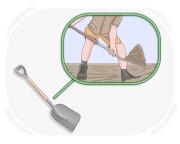
used to indicate who is supposed to have or use something or where something is intended to be put
のために
この薬は私のアレルギーを治療するためのものです。
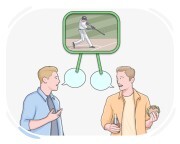
used to express the matters that relate to a specific person or thing
について、に関して
私は健康とフィットネスについての興味深い記事を読みました。
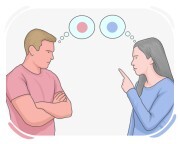
in opposition to someone or something
に対して
私は友人の助言に逆らうことに決めた。