Daftar Kata Level A2 - Konjungsi dan Preposisi
Di sini Anda akan mempelajari beberapa konjungsi dan preposisi dalam bahasa Inggris, seperti "for", "since", dan "now", yang disiapkan untuk pelajar tingkat A2.
Tinjauan
Kartu flash
Ejaan
Kuis


used to connect two words, phrases, or sentences referring to related things

dan
Kucing itu lembut dan berbulu.

used to connect alternatives or introduce another possibility
atau
Kita bisa pergi ke pantai atau gunung untuk liburan.
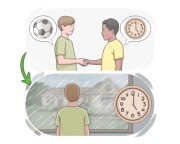
used for introducing a word, phrase, or idea that is different to what has already been said
tapi, namun
Kucing itu menggemaskan, tetapi kadang-kadang bisa nakal.

used to say that something happening, existing, etc. depends on another thing happening, existing, etc.
jika
Jika dia tidak mengejar bus, dia akan terlambat ke sekolah.
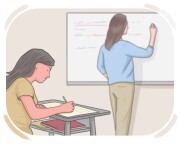
used to say that something is happening at the same time with another
sementara, sebagaimana
Saat angin bertiup, daun-daun berdesir di pepohonan.

used for introducing the reason of something
karena, sebab
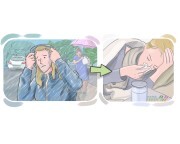
used to introduce a consequence or result of the preceding clause
jadi, maka
Jalan itu diblokir, jadi kami harus mengambil jalan memutar.
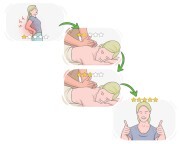
used to express a period from a specific past time up to now or another specified point
sejak, sejak ketika
Saya telah tinggal di kota ini sejak saya pindah ke sini untuk pekerjaan saya.

used to indicate a result or outcome related to what has just been said or happened
sekarang bahwa, karena sekarang

at some point subsequent to when something happens
setelah, begitu
Setelah badai berlalu, jalan-jalan banjir.
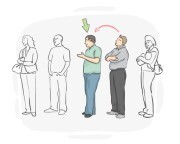
used to indicate that one event happens earlier than another event in time
sebelum, sebelumnya
Mari kita makan siang sebelum memulai rapat.

used to express that something happens at the same time or right after another thing
sekali, setelah
Setelah pertunjukan dimulai, tidak ada yang diizinkan masuk ke teater.

used to introduce a contrast to what has just been said
meskipun, walaupun
Dia berhasil lulus ujian meskipun dia tidak banyak belajar.

used to say something surprising compared to the main idea
meskipun, walaupun
Meskipun hujan deras, kami melanjutkan piknik kami.

used to introduce a subordinate clause expressing a statement, thought, or reported speech
bahwa
Dia mengatakan kepadaku bahwa dia sudah menyelesaikan proyek itu.
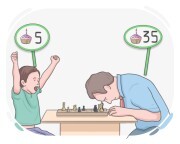
used to add a statement that is surprising compared to what has just been said
namun, meskipun demikian
Mobil itu mahal, namun kekurangan beberapa fitur dasar.
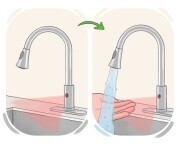
used to indicate that two things happen at the same time or during something else
ketika, sementara
Saya akan menelepon Anda ketika saya menyelesaikan pekerjaan saya.

at any or every time
setiap kali, kapan saja
Kapan pun dia bepergian, dia mengambil banyak foto.
used to refer to a particular situation, stage, or place
di mana, tempat di mana
Mari kita bertemu di taman, tempat kita mengadakan piknik pertama bersama.
used to introduce a statement that is true for one thing and false for another
sedangkan, sementara itu
Buku pertama panjang dan rinci, sedangkan yang kedua pendek dan ringkas.

used to talk about a doubt or choice when facing two options
apakah
Saya tidak yakin apakah saya harus pergi ke pesta atau tinggal di rumah.
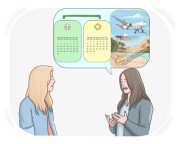
used to express that something happens continuously from the beginning to the end of a period of time
selama, pada saat
Para siswa memperhatikan selama seluruh kelas.

used to show that something continues or lasts up to a specific point in time and often not happening or existing after that time
sampai, hingga
Perpustakaan buka sampai jam 8 malam pada hari kerja.
used for showing the place where a person or thing comes from
dari, dari pada
Botol anggur ini berasal dari kebun anggur kecil di Italia.
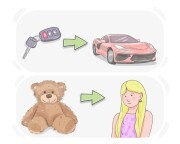
used to indicate someone's or something's ownership or relation to a thing or person
dari
Ini adalah foto dari keluarga saya di pantai.

used to indicate movement into one side and out of the opposite side of something
melalui, lewat
Angin meraung saat melewati gang sempit melalui.
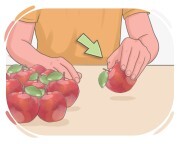
used to introduce an exclusion
kecuali, selain
used to indicate an exception or exclusion from something or someone
selain, kecuali
Saya telah menyelesaikan semua pekerjaan rumah kecuali mencuci pakaian.

in every direction surrounding a person or object
di sekitar, mengelilingi
Ada bunga-bunga indah di sekitar rumah.
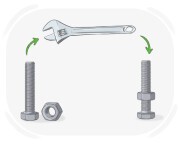
used to show how something is done or achieved
dengan, melalui
Buku itu diterjemahkan dengan menggunakan teknologi modern.

on or to a place beyond the borders of something
di luar, di sebelah luar
Tinggalkan sepatu bot berlumpur Anda di luar pintu.
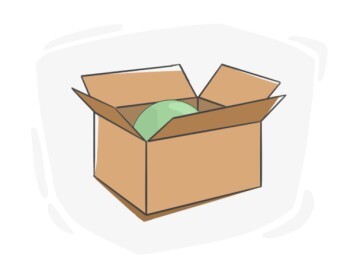
used to indicate that something or someone is located in, happening within, or moving into the inner part of something
di dalam, ke dalam
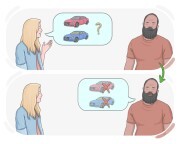
used to add another negative statement related to the previous one
tidak juga
Dia tidak makan daging, maupun mengonsumsi produk susu.

used to indicate who is supposed to have or use something or where something is intended to be put
untuk
Saya membeli tiket untuk konser malam ini.
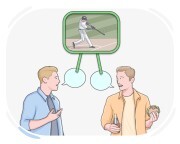
used to express the matters that relate to a specific person or thing
tentang, mengenai
Dia sedang menulis buku tentang petualangannya di Asia.

in opposition to someone or something
melawan
Tim ini akan bermain melawan juara nasional minggu depan.