
Lista Słówek Poziomu A2 - Spójniki i Przyimki
Tutaj nauczysz się niektórych angielskich spójników i przyimków, takich jak "for", "since" i "now", przygotowanych dla uczących się na poziomie A2.
Przegląd
Fiszki
Pisownia
Test


used to connect two words, phrases, or sentences referring to related things

i
Restauracja oferuje różnorodne dania, a obsługa jest doskonała.
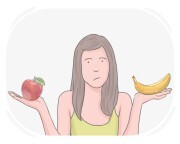
used to connect alternatives or introduce another possibility
lub
Możesz wybrać kawę lub herbatę na śniadanie.
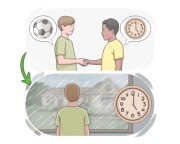
used for introducing a word, phrase, or idea that is different to what has already been said
ale, jednak
Pogoda była słoneczna, ale nagle zaczęło padać.

used to say that something happening, existing, etc. depends on another thing happening, existing, etc.
jeśli
Możemy iść na spacer, jeśli chcesz.
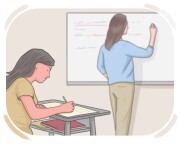
used to say that something is happening at the same time with another
gdy, jak
Uśmiechnęła się, gdy czytała zabawny żart.
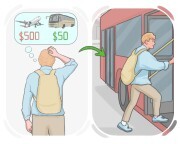
used for introducing the reason of something
ponieważ, bo
Nie zjadła deseru, ponieważ jest na diecie.
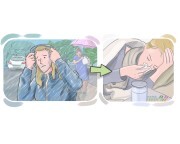
used to introduce a consequence or result of the preceding clause
więc, zatem
Zgubił swój paszport, więc spóźnił się na swój lot.
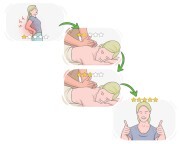
used to express a period from a specific past time up to now or another specified point
od, od kiedy
Bardzo się poprawił od kiedy zaczął trenować.
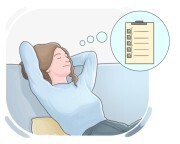
used to indicate a result or outcome related to what has just been said or happened
teraz gdy, skoro
Ona czuje się teraz o wiele lepiej, ponieważ odpoczywała przez kilka dni.

at some point subsequent to when something happens
po tym jak, gdy tylko
Czuł się o wiele lepiej po zażyciu lekarstwa.
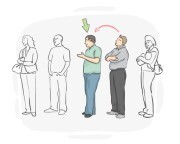
used to indicate that one event happens earlier than another event in time
zanim, przed
Proszę skończyć pracę domową zanim obejrzysz telewizję.
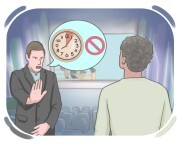
used to express that something happens at the same time or right after another thing
gdy tylko, jak tylko
Gdy tylko skończysz swoje obowiązki, będziesz mógł wyjść się bawić.

used to introduce a contrast to what has just been said
chociaż, mimo że
Chociaż była zdenerwowana, zdała egzamin na prawo jazdy.

used to say something surprising compared to the main idea
chociaż, mimo że
Chociaż nie mówi płynnie po francusku, może zamówić posiłek w paryskiej restauracji.

used to introduce a subordinate clause expressing a statement, thought, or reported speech
że
Mamy nadzieję, że sytuacja wkrótce się poprawi.
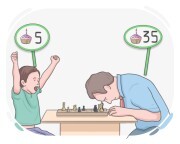
used to add a statement that is surprising compared to what has just been said
jednak, jednakże
Film miał mieszane recenzje, jednak uznałem go za rozrywkowy.
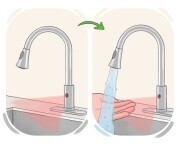
used to indicate that two things happen at the same time or during something else
kiedy, podczas gdy
Budzik dzwoni, kiedy jest czas na wstawanie.
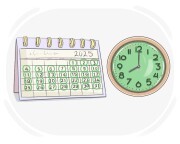
at any or every time
za każdym razem, gdy
Ona się uśmiecha za każdym razem, gdy słyszy swoją ulubioną piosenkę.
used to refer to a particular situation, stage, or place
gdzie, tam
Proszę dać mi znać, gdzie odbędzie się jutro spotkanie.
used to introduce a statement that is true for one thing and false for another
podczas gdy, natomiast
Tom lubi aktywności na świeżym powietrzu, podczas gdy jego siostra woli przebywać w pomieszczeniach.
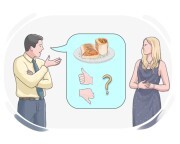
used to talk about a doubt or choice when facing two options
czy
Jane zapytała swojego przyjaciela, czy chce do niej dołączyć na lunch czy jeść osobno.
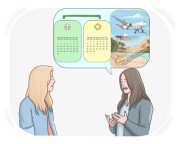
used to express that something happens continuously from the beginning to the end of a period of time
podczas, w trakcie
Temperatura znacznie spadła w trakcie nocy.

used to show that something continues or lasts up to a specific point in time and often not happening or existing after that time
do, aż do
Film będzie w kinach do przyszłego miesiąca.
used for showing the place where a person or thing comes from
z, od
Ona pochodzi z małego miasteczka na Środkowym Zachodzie.
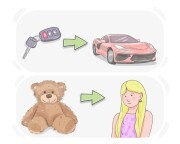
used to indicate someone's or something's ownership or relation to a thing or person
z
To jest pamiętnik słynnego pisarza.

used to indicate movement into one side and out of the opposite side of something
przez, przez środek
Woda przepłynęła przez rurę i wylała się do zbiornika.
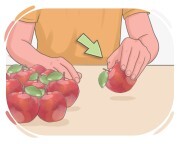
used to introduce an exclusion
oprócz, z wyjątkiem
Cała drużyna grała dobrze, oprócz bramkarza.
used to indicate an exception or exclusion from something or someone
oprócz, z wyjątkiem
Ona może mówić wieloma językami, oprócz włoskiego.

in every direction surrounding a person or object
wokół, dookoła
Mgła zebrała się cicho wokół jeziora.
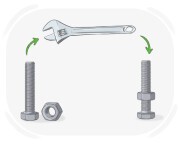
used to show how something is done or achieved
przez, za pomocą
Problem został rozwiązany poprzez podniesienie świadomości.
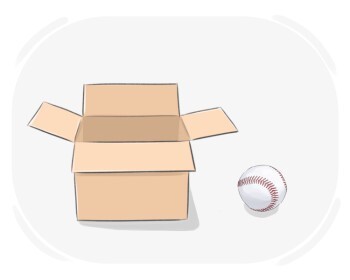
on or to a place beyond the borders of something
na zewnątrz, poza
Zobaczyła jelenia na zewnątrz swojego okna kuchennego.

used to indicate that something or someone is located in, happening within, or moving into the inner part of something
wewnątrz, w
Wiewiórka chowa się wewnątrz dziupli drzewa.
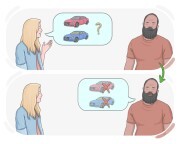
used to add another negative statement related to the previous one
ani
Sklep nie sprzedaje owoców, ani warzyw.
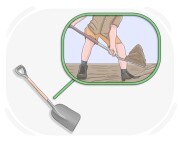
used to indicate who is supposed to have or use something or where something is intended to be put
dla
Te ciasteczka są na szkolną sprzedaż wypieków.
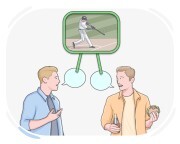
used to express the matters that relate to a specific person or thing
o, na temat
Dziś wieczorem w telewizji jest dokument o zmianach klimatu.

in opposition to someone or something
przeciw
Ten lek jest skuteczny przeciwko objawom grypy.
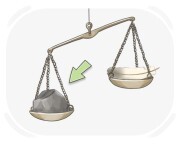
used to add a second part to a comparison
niż
Ona jest wyższa od mnie o kilka cali.
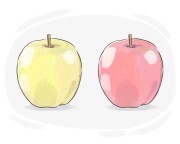
used to indicate that something or someone shares the same qualities or features to another
jak
Szczenię skomli jak dziecko, kiedy jest głodne.
