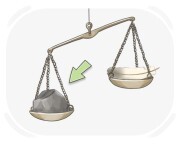
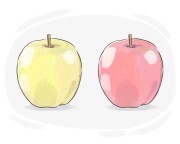
Список Слов Уровня A2 - Союзы и предлоги
Здесь вы узнаете некоторые английские союзы и предлоги, такие как "for", "since" и "now", подготовленные для изучающих уровень A2.
Обзор
Флэш-карточки
Правописание
Тест


used to connect two words, phrases, or sentences referring to related things

и
Мне нравится читать книги и смотреть фильмы.

used to connect alternatives or introduce another possibility
или
Вы предпочитаете читать книгу или смотреть телешоу ?
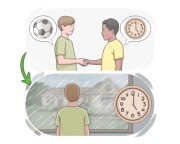
used for introducing a word, phrase, or idea that is different to what has already been said
но
Она любит играть в футбол, но её сестра предпочитает баскетбол.

used to say that something happening, existing, etc. depends on another thing happening, existing, etc.
если
Я пойду на вечеринку, если закончу домашнее задание вовремя.
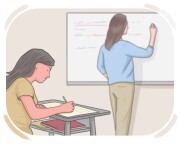
used to say that something is happening at the same time with another
пока
Когда солнце садилось, небо приобретало красивые оттенки оранжевого и розового.
used for introducing the reason of something
потому что
Он получил повышение потому что усердно работал.
used to introduce a consequence or result of the preceding clause
так что, так
Это всё ещё было болезненно, поэтому я пошёл к специалисту.
used to express a period from a specific past time up to now or another specified point
с
Я чувствовал себя лучше с тех пор, как я здесь.
used to indicate a result or outcome related to what has just been said or happened
теперь
Теперь, когда вы закончили свою работу, вы можете сделать перерыв.
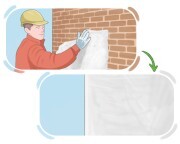
at some point subsequent to when something happens
после
После того как фильм закончился, мы пошли за мороженым.
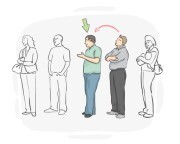
used to indicate that one event happens earlier than another event in time
до, прежде
Не забудьте запереть дверь перед тем, как выйти.
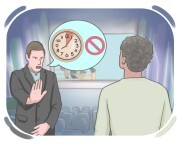
used to express that something happens at the same time or right after another thing
как только
Я позвоню тебе, как только приеду на вокзал.

used to introduce a contrast to what has just been said
хотя
Хотя шёл дождь, мы всё равно пошли в парк.

used to say something surprising compared to the main idea
несмотря на
Хотя он не готовился к экзамену, ему всё равно удалось получить пятёрку.

used to introduce a subordinate clause expressing a statement, thought, or reported speech
это
Она сказала, что была довольна результатами.
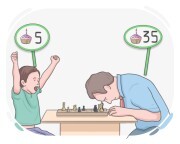
used to add a statement that is surprising compared to what has just been said
но
У него были все необходимые квалификации, тем не менее он не получил работу.
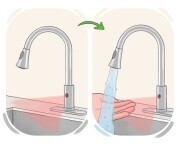
used to indicate that two things happen at the same time or during something else
когда
Он нервничал, когда ему приходилось делать презентацию.
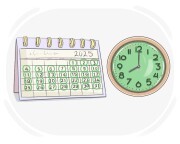
at any or every time
когда бы ни
Кот прибегает на кухню всякий раз, когда чувствует запах еды.
used to refer to a particular situation, stage, or place
где, куда
Мне нужно выяснить, где живет моя подруга, чтобы я мог ее навестить.
used to introduce a statement that is true for one thing and false for another
тогда как
Джеймс общительный и разговорчивый, тогда как его брат сдержанный и тихий.
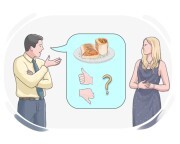
used to talk about a doubt or choice when facing two options
ли
Он пытается выяснить, стоит ли ему учиться за границей или остаться в своей родной стране.
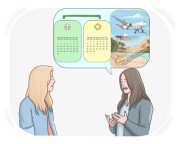
used to express that something happens continuously from the beginning to the end of a period of time
в течение
Мне нравится слушать музыку во время моей утренней поездки на работу.
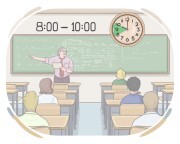
used to show that something continues or lasts up to a specific point in time and often not happening or existing after that time
до, до тех пор
Я буду ждать тебя до 5 часов вечера.
used for showing the place where a person or thing comes from
от, из
Я получил письмо от моего кузена в Австралии.
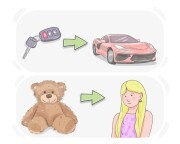
used to indicate someone's or something's ownership or relation to a thing or person
в творительном падеже
Он директор успешной компании.
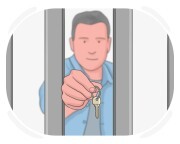
used to indicate movement into one side and out of the opposite side of something
сквозь
Кот проскользнул сквозь забор и исчез в кустах.
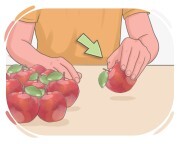
used to introduce an exclusion
кроме
Все книги в коробке, кроме той, которую я читаю.
used to indicate an exception or exclusion from something or someone
помимо
Кроме моей сестры, все в нашей семье любят спорт.

in every direction surrounding a person or object
вокруг
Деревья стояли густо вокруг маленького коттеджа.
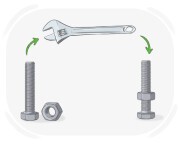
used to show how something is done or achieved
по падежам
Проблема была решена с помощью командной работы.

on or to a place beyond the borders of something
снаружи
Давайте проведем нашу встречу за пределами конференц-зала.

used to indicate that something or someone is located in, happening within, or moving into the inner part of something
внутри
Кот свернулся клубком внутри коробки, чтобы согреться.
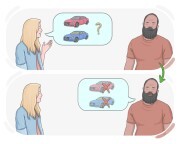
used to add another negative statement related to the previous one
ни
Он не говорит по-французски, ни не понимает его.
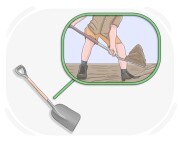
used to indicate who is supposed to have or use something or where something is intended to be put
для
Я приготовил сюрприз-подарок для выпускного моей сестры.
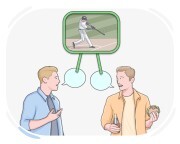
used to express the matters that relate to a specific person or thing
о
Я прочитал интересную статью о здоровье и фитнесе.

in opposition to someone or something
против
Я решил пойти против совета моего друга.