反身代词 初学者
学习如何正确使用英语中的反身代词 ("myself", "yourself", "themselves"),当主语和宾语相同时。包括示例和练习。
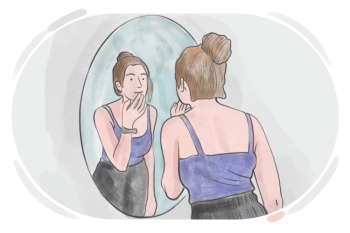
什么是反身代词?
反身代词指代子句或句子的主语。当句子的主语和宾语是同一个人或物时,就会使用反身代词。
英语中的反身代词
英语中有八个反身代词:
主语代词 | 反身代词 |
|---|---|
I(我) | myself ((我)自己) |
you (你) | yourself ((你)自己) |
he (他) | himself ((他)自己) |
she (她) | herself ((她)自己) |
it (它) | itself ((它)自己) |
we (我们) | ourselves ((我们)自己) |
you (你们) | yourselves ((你们)自己) |
they (他们) | themselves ((他们)自己) |
现在,看看一些例子:
示例
I saw myself in the mirror.
我在镜子里看到了自己。
She cut herself last night.
她昨晚割伤了自己。
We took a picture of ourselves.
我们给自己拍了一张照片。
什么时候使用反身代词?
当主语和动词的宾语是同一个人或物时,就使用反身代词。例如:
示例
Introduce yourself to the new neighbors.
向新邻居介绍你自己。
They look at themselves in the mirror.
他们在镜子里看着自己。
Quiz:
评论
(0)
英语词汇在LanGeek上开始学习分类的英语词汇。
点击开始推荐


下载LanGeek应用程序