
Four Corners 3 - Unit 1 Lesson D
Here you will find the vocabulary from Unit 1 Lesson D in the Four Corners 3 coursebook, such as "achieve", "violent", "recent", etc.
Review
Flashcards
Forms
Spelling
Quiz


to let someone or something do a particular thing

used for showing that what you are saying is more closely related to a specific thing or person than others
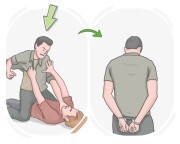
(of a person and their actions) using or involving physical force that is intended to damage or harm

to use money as a payment for services, goods, etc.
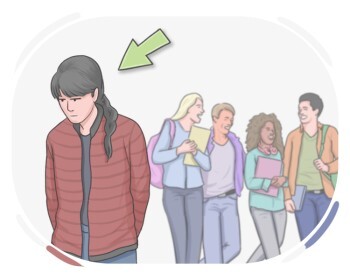
unhappy because of being alone or lacking companionship
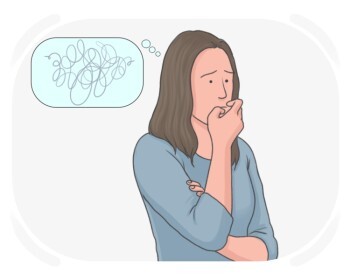
getting a bad and anxious feeling from a person or thing because we think something bad or dangerous will happen

(dummy verb) to perform an action that is specified by a noun

someone we like and trust
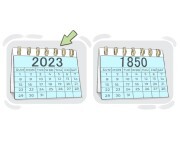
having happened, started, or been done only a short time ago

a detailed and careful consideration and examination

to mention an idea, proposition, plan, etc. for further consideration or possible action
useful or involving an advantage

the right or left half of an object, place, person, or similar whole
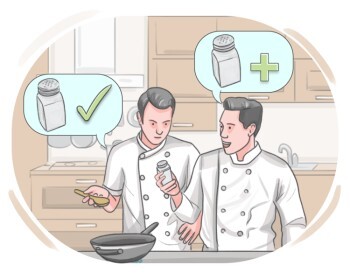
having a lot of value
an ability to do something well, especially after training

a condition that causes a person or thing to be more successful compared to others
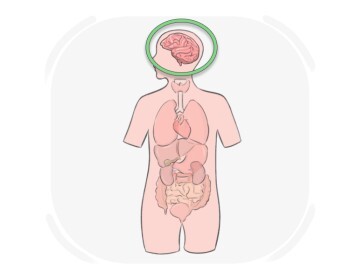
the body part that is inside our head controlling how we feel, think, move, etc.

a session of physical exercise or practice meant to improve or maintain health, fitness, or strength

a choice or judgment that is made after adequate consideration or thought
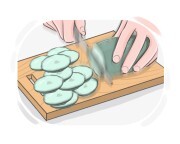
with a lot of speed

an organized plan made to achieve a goal

to decide on and make arrangements or preparations for something ahead of time
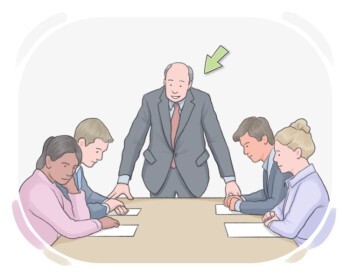
to be in charge of the work of a team, organization, department, etc.

to make a person or thing better
(of a video game) allowing several players to compete with each other at the same time
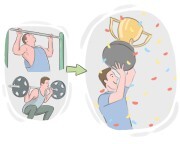
to finally accomplish a desired goal after dealing with many difficulties

our purpose or desired result
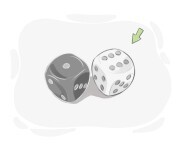
a possibility arising from favorable circumstances
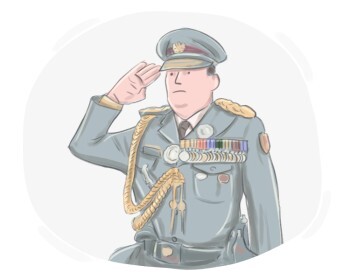
a person who leads or commands others
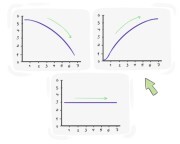
to become larger in amount or size

the belief in one's own ability to achieve goals and get the desired results

someone whose job or education is about science
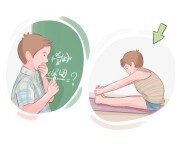
in relation to the body as opposed to the mind
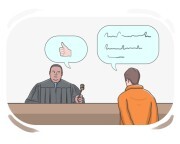
to accept something to be true even without proof

the ability that enables a person to see
the act or process of organizing different parts of something so that they can properly work as a whole
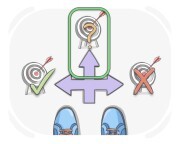
used to express possibility or likelihood of something

the process that involves teaching and learning, particularly at a school, university, or college
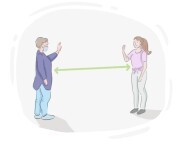
the length of the space that is between two places or points
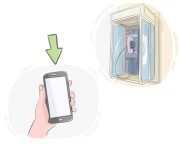
used by or belonging to only a particular individual, group, institution, etc.
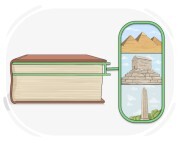
a part of a book that is intended to be used for learning a specific subject

a person who gives private or additional instruction to one student or a small group
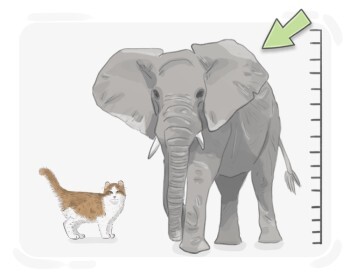
above average in amount or size
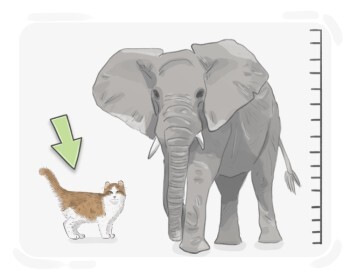
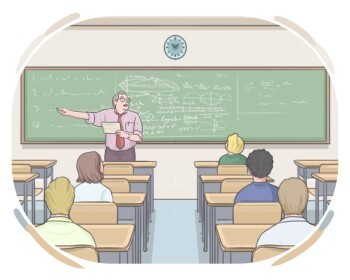
students as a whole that are taught together

connected to or via the Internet
the process or act of gaining knowledge or a new skill by studying, experimenting, or practicing

to spend time to learn about certain subjects by reading books, going to school, etc.
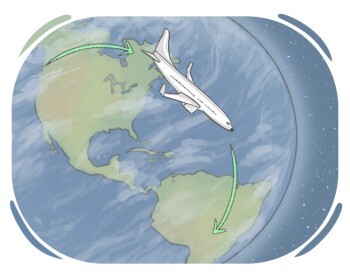
in or traveling to a different country

to look at a thing or person and pay attention to it for some time

a story presented as a sequence of moving images, usually with sound, for entertainment or information

the most common language in the world, originating in England but also the official language of America, Canada, Australia, etc.
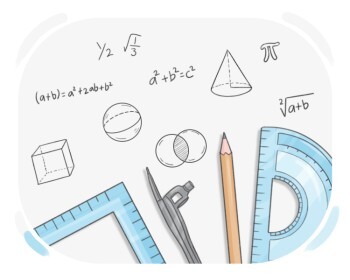
the study of numbers and shapes that involves calculation and description
