pattern

SAT Math and Logic - Causality and Intentionality

Here you will learn some English words related to causality and intentionality, such as "impulse", "elicit", "bane", etc. that you will need to ace your SATs.

Review

Flashcards

Forms

Spelling

Quiz
Start learning
SAT Vocabulary for Math and Logic
to precipitate

to bring about or accelerate the occurrence of something, often resulting in unexpected or unfavorable consequences

Ex: The impulsive decision to cut funding for the social program could precipitate a crisis in vulnerable communities. 
Close
Sign in
to catalyze

to initiate or accelerate a process

Ex: The discovery of new technology can catalyze advancements in various industries. 
Close
Sign in
to prompt
to prompt
[Verb]

to make something happen

Ex: The news of the imminent hurricane prompted widespread evacuation efforts in coastal regions. 
Close
Sign in
to invoke
to invoke
[Verb]

to bring about or cause something to happen

Ex: The speech invoked strong emotions in the crowd, leading to spontaneous applause. 
Close
Sign in
to underlie

to serve as the foundation or primary cause for something

Ex: Cultural traditions underlie many of the festivals and celebrations we see around the world. 
Close
Sign in
to pose
to pose
[Verb]

to introduce danger, a threat, problem, etc.

Ex: The sudden economic downturn posed a significant threat to the stability of many businesses. 
Close
Sign in
to exert
to exert
[Verb]

to put force on something or to use power in order to influence someone or something

Ex: The charismatic leader was able to exert a significant influence on the team. 
Close
Sign in
to elicit
to elicit
[Verb]

to make someone react in a certain way or reveal information

Ex: The detective skillfully posed questions to elicit a confession from the suspect. 
Close
Sign in
to stem
to stem
[Verb]

to be caused by something

Ex: The rise in inflation can often stem from increased demand for goods and services without a corresponding increase in supply. 
Close
Sign in
to incur
to incur
[Verb]

to face consequences as a result of one's own actions

Ex: By ignoring safety guidelines, one may incur the risk of accidents. 
Close
Sign in
to animate

to invoke emotions, enthusiasm, or energy in people

Ex: The music animated the party, making everyone dance and laugh. 
Close
Sign in
to spearhead

to be the person who leads something like an attack, campaign, movement, etc.

Ex: The general chose to spearhead the military offensive personally. 
Close
Sign in
to necessitate

to make something required due to specific circumstances
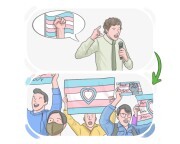
Ex: The company's expansion necessitated hiring more staff to meet growing demand. 
Close
Sign in
to incite
to incite
[Verb]

to encourage or provoke someone to take action

Ex: The impassioned speech was intended to incite the crowd to participate in the protest. 
Close
Sign in
causality
causality
[noun]

the relationship between a cause and its effect

Ex: Researchers explored the causality between smoking and lung cancer. 
Close
Sign in
instigation

the act of causing something to begin or occur

Close
Sign in
stimulus
stimulus
[noun]

something that triggers a reaction in various areas like psychology or physiology

Ex: In a lab experiment, the researchers applied a visual stimulus to study participants to observe and measure their neurological responses. 
Close
Sign in
foundation

the core principles or base upon which something is started, developed, calculated, or explained

Ex: The scientific foundation of the theory is based on extensive experimentation and data analysis. 
Close
Sign in
premise
premise
[noun]

a theory or statement that acts as the foundation of an argument

Ex: The entire debate was based on the premise that economic growth benefits all members of society. 
Close
Sign in
outcome
outcome
[noun]

the result or consequence that follows from a previous action, event, or situation

Ex: The outcome of the experiment was a significant breakthrough in medical research. 
Close
Sign in
bane
bane
[noun]

something that causes continual trouble, misery, or destruction

Ex: His arrogance was the bane of his leadership. 
Close
Sign in
grassroots
grassroots
[Adjective]

originating from the most basic level

Ex: The grassroots initiative focused on improving local healthcare through community-driven efforts. 
Close
Sign in
indicative
indicative
[Adjective]

serving as a clear sign or signal of something

Ex: Her high test scores were indicative of her academic prowess. 
Close
Sign in
conducive
conducive
[Adjective]

leading to the desired goal or result by providing the right conditions

Ex: The quiet environment was conducive to studying. 
Close
Sign in
unintended
unintended
[Adjective]

happening without being planned or deliberately caused
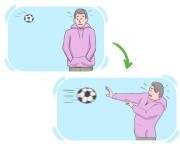
Ex: The unintended consequences of the policy change led to unexpected challenges for small businesses. 
Close
Sign in
involuntarily

without conscious control or will

Ex: She shuddered involuntarily when the cold air touched her skin. 
Close
Sign in
deliberately
deliberately
[Adverb]

in a way that is done consciously and intentionally
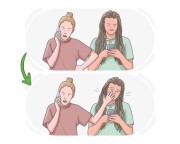
Ex: He deliberately ignored the warning signs. 
Close
Sign in
inadvertently

by accident or through lack of attention
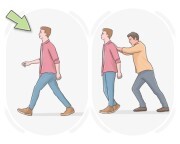
Ex: She inadvertently left her phone on the train. 
Close
Sign in
readily
readily
[Adverb]

in a willing and unhesitant manner

Ex: She readily accepted the invitation to speak at the conference. 
Close
Sign in
unwittingly
unwittingly
[Adverb]

without realizing or intending it

Ex: She unwittingly shared false information with her followers. 
Close
Sign in
unthinkingly
unthinkingly
[Adverb]

in a manner that shows a lack of thought or consideration

Ex: He unthinkingly agreed to the plan without understanding its consequences. 
Close
Sign in
purposely
purposely
[Adverb]

in a deliberate or intentional way

Ex: She purposely left the door unlocked to let the cat in. 
Close
Sign in
wilfully
wilfully
[Adverb]

in a deliberate and intentional manner

Ex: He wilfully ignored the rules, knowing full well the consequences. 
Close
Sign in
impulse
impulse
[noun]

a sudden strong urge or desire to do something, often without thinking or planning beforehand

Ex: On an impulse, she bought the dress without checking the price. 
Close
Sign in
volition
volition
[noun]

the faculty to use free will and make decisions

Ex: She chose to pursue a career in art of her own volition, following her passion rather than external pressures. 
Close
Sign in
resistance

the act of opposing or refusing to accept something one disapproves of or disagrees with
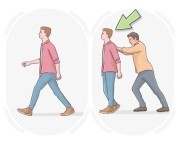
Ex: The proposal met strong resistance from local residents. 
Close
Sign in
reluctant
reluctant
[Adjective]

not welcoming or willing to do something because it is undesirable
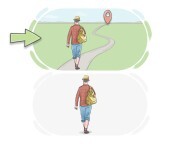
Ex: Despite his love for adventure, he was reluctant to try bungee jumping because of his fear of heights. 
Close
Sign in
purposeful
purposeful
[Adjective]

having a clear aim or intention

Ex: She walked with purposeful strides, determined to reach her destination. 
Close
Sign in
spontaneous
spontaneous
[Adjective]

tending to act on impulse or in the moment

Ex: His spontaneous decision to take a road trip meant he left without even packing a bag. 
Close
Sign in
senseless
senseless
[Adjective]

without purpose or reason, often referring to violent or wasteful actions

Ex: The senseless destruction of the historical monument left the community in shock. 
Close
Sign in
LanGeek
Download LanGeek app