pattern

B1 Level Wordlist - Common Adverbs

Here you will learn some common English adverbs, such as "about", "clearly", "ago", etc. prepared for B1 learners.

Review

Flashcards

Forms

Spelling

Quiz

Start learning
CEFR B1 Vocabulary
about
about
[Adverb]

used with a number to show that it is not exact
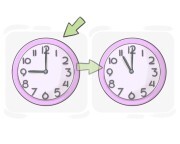
Ex: There were about 20 people at the party. 
Close
Sign in
ago
ago
[Adverb]

used to refer to a time in the past, showing how much time has passed before the present moment

Ex: She moved to this city three years ago. 
Close
Sign in
all
all
[Adverb]

to the full or complete degree

Ex: The children were covered all in mud after playing in the rain. 
Close
Sign in
anymore
anymore
[Adverb]

used to indicate that something that was once true or done is no longer the case
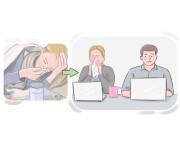
Ex: I don't enjoy playing video games anymore. 
Close
Sign in
anyway
anyway
[Adverb]

with no regard to a specific situation, thing, etc.
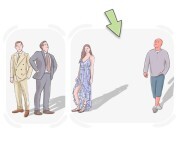
Ex: Despite the rain, we decided to go for a hike anyway. 
Close
Sign in
apart
apart
[Adverb]

at a distance from each other in either time or space
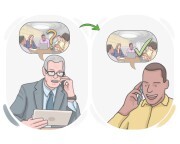
Ex: The twins were placed five feet apart in the exam hall. 
Close
Sign in
certainly
certainly
[Adverb]

in an assured manner, leaving no room for doubt
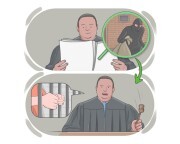
Ex: You can certainly count on my support. 
Close
Sign in
clearly
clearly
[Adverb]

without any uncertainty

Ex: The evidence presented in the court was clearly indicative of the defendant's guilt. 
Close
Sign in
commonly
commonly
[Adverb]

in most cases; as a standard or norm

Ex: The plant is commonly referred to as "lady's slipper." 
Close
Sign in
correctly
correctly
[Adverb]

in a right way and without mistake

Ex: The student answered the exam questions correctly, earning a high score. 
Close
Sign in
definitely
definitely
[Adverb]

in a certain way

Ex: I will definitely attend the meeting tomorrow. 
Close
Sign in
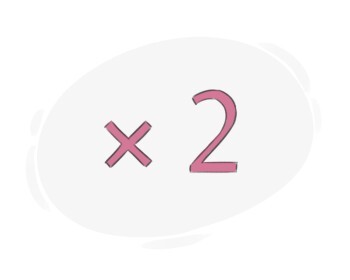
double
double
[Adverb]

used to suggest that something is twice as much or has twice the significance or effect
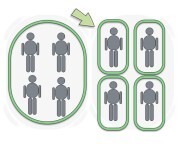
Ex: She checked her work double to ensure there were no errors. 
Close
Sign in
each
each
[Adverb]

used to consider every member or item of a group separately
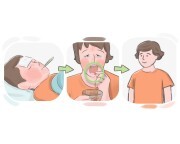
Ex: The tickets were $10 each. 
Close
Sign in
effectively
effectively
[Adverb]

in a way that results in the desired outcome

Ex: The new software streamlined the company's workflow, allowing employees to communicate more effectively. 
Close
Sign in
enough
enough
[Adverb]

to a degree or extent that is sufficient or necessary
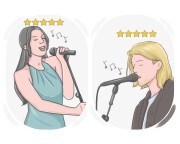
Ex: The team had trained hard and believed they were fit enough for the upcoming match. 
Close
Sign in
equally
equally
[Adverb]

to the same amount or degree

Ex: Both candidates are equally qualified for the position. 
Close
Sign in
even
even
[Adverb]

used to show that something is surprising or is not expected
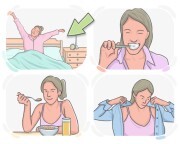
Ex: She didn't even notice the change. 
Close
Sign in
first
first
[Adverb]

before anything or anyone else in time, order, or importance
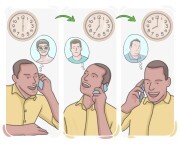
Ex: Before starting the project, it's crucial to plan and outline your goals first. 
Close
Sign in
frequently
frequently
[Adverb]

regularly and with short time in between
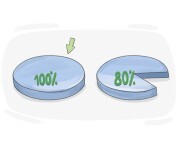
Ex: He checks his email frequently throughout the day. 
Close
Sign in
fully
fully
[Adverb]

to the highest extent or capacity

Ex: I fully support your decision to resign. 
Close
Sign in
hardly
hardly
[Adverb]

to a very small degree or extent

Ex: She hardly knew him, yet she agreed to help. 
Close
Sign in
heavily
heavily
[Adverb]

to a great or considerable extent

Ex: The economy is heavily reliant on tourism. 
Close
Sign in
however
however
[Adverb]

used to add a statement that contradicts what was just mentioned
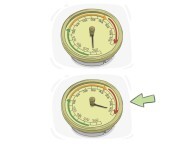
Ex: The weather forecast predicted rain; however, the sun is shining brightly. 
Close
Sign in
incredibly
incredibly
[Adverb]

to a very great degree

Ex: The weather was incredibly hot today. 
Close
Sign in
indeed
indeed
[Adverb]

used to emphasize or confirm a statement
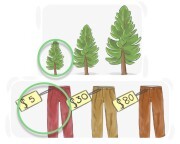
Ex: She did indeed finish the project ahead of schedule. 
Close
Sign in
least
least
[Adverb]

to the lowest extent

Ex: The best ideas often come to you when you least expect them. 
Close
Sign in
mainly
mainly
[Adverb]

most often or in most cases

Ex: The economy of the country is mainly driven by its agricultural sector. 
Close
Sign in
mostly
mostly
[Adverb]

in a manner that indicates the majority of something is in a certain condition or of a certain type
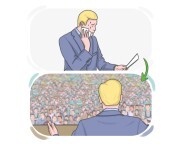
Ex: The garden was mostly filled with vibrant flowers of various colors. 
Close
Sign in
naturally
naturally
[Adverb]

in accordance with what is logical, typical, or expected

Ex: Naturally, I hoped for the best. 
Close
Sign in
absolutely
absolutely
[interjection]

used to show complete agreement

Ex: "Are you sure this is safe?" "Absolutely!" 
Close
Sign in
LanGeek
Download LanGeek app