
Kniha Total English - Vyšší středně pokročilý - Jednotka 6 - Lekce 3
Zde najdete slovní zásobu z jednotky 6 - lekce 3 v učebnici Total English Upper-Intermediate, jako je "ulevilo", "zřejmě", "vyblednout" atd.
Revize
Kartičky
Pravopis
Kvíz


feeling uncertain or not confident about something because it is not clear or easy to understand

zmatený, nejistý
Pokyny byly tak nejasné, že všichni zůstali zmatení.

doubtful about the honesty of what someone has done and having no trust in them
podezřelý, nedůvěřivý

feeling nervous or worried, especially about something unpleasant that might happen soon
neklidný, nesvůj

interested in learning or finding out about people, things, or situations
zvídavý

feeling slightly angry or irritated
naštvaný, podrážděný
Rozčílil se, když jeho telefon nepřestával vibrovat oznámeními.

feeling very happy, interested, and energetic
nadšený,vzrušený, very happy and full of energy

lacking interest or enthusiasm toward something
nezaujatý, lhostejný
Kočka byla nezaujatá novou hračkou a odešla poté, co ji jednou očichala.
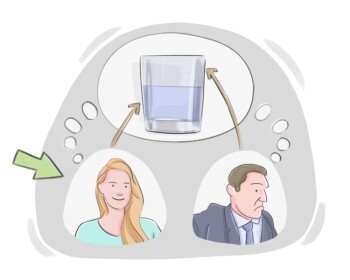
having a hopeful and positive outlook on life, expecting good things to happen
optimistický, plný naděje
Optimističtí investoři i přes rizika nadále vlévali peníze do startupu.

very surprised or upset because of something unexpected or unpleasant
šokovaný, ohromený
Šokovaný výraz v její tváři odhalil její nedůvěru k oznámení.

feeling free from worry, stress, or anxiety after a challenging or difficult situation
ulevující, klidný
Byl ulevčeno, že jeho auto bylo opraveno poté, co se porouchalo na dálnici.

used to convey that something seems to be true based on the available evidence or information
zřejmě, patrně

to a certain degree or extent in comparison to something else
poměrně, relativně
Jeho projev byl poměrně krátký, trval jen několik minut.

a state of being anxious, uneasy, or apprehensive, often characterized by physical symptoms such as sweating, trembling, or rapid heartbeat
nervozita, úzkost

in a way that cannot be opposed or rejected because it is too strong or powerful
neodolatelně
Naléhavá potřeba chránit své dítě ji neodolatelně vtáhla do akce.
the feeling of discomfort in the stomach, often with the urge to vomit
nevolnost, pocit na zvracení
Nevolnost je běžným vedlejším účinkem chemoterapie.

(of a person) feeling great anger
rozzuřilý, rozlobený
Byl rozzlobený na sebe, že udělal tak drahou chybu.

unusual in a way that stands out as different from the expected or typical
podivný, zvláštní
Bylo to pro něj podivné, že byl tak tichý, protože obvykle je velmi upovídaný.

an object or group of objects wrapped or packed together, especially for sending or delivery
balík, zásilka

to gradually become weaker, less noticeable, or disappear
slábnout, mizet

having doubts about something's truth, validity, or reliability
skeptický, nedůvěřivý
Novinář udržoval skeptický pohled, kriticky zkoumal zdroje před zveřejněním kontroverzního příběhu.
