
El libro English File - Avanzado - Lección 10B
Aquí encontrarás el vocabulario de la Lección 10B del libro de curso English File Advanced, como "viaje", "recluso", "deplorar", etc.
Repasar
Tarjetas de memoria
Ortografía
Cuestionario

a person who comes from or belongs to another country

extranjero

a person who is unfamiliar with a particular place because they have not been there before
extranjero, desconocido
a person who does not belong to or is not involved in a particular group, organization, community, or place
persona de afuera
someone who moves from one country to another with the intention of settling there permanently
emigrante
Los primeros emigrantes chinos enfrentaron hostilidad y racismo en la California de la época de la fiebre del oro y en otras partes de América del Norte.
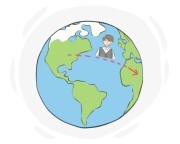
someone who comes to live in a foreign country
inmigrante
La población diversa de la ciudad incluye muchos inmigrantes de varias partes del mundo.
a person who moves from one place to another, often across borders or regions, to live or work temporarily or permanently
migrante,inmigrante
La economía de la ciudad depende de la mano de obra migrante en la construcción y los servicios.
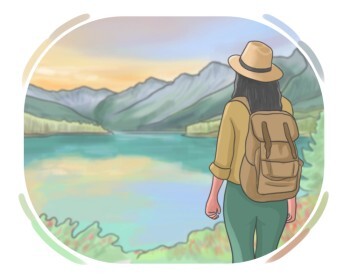
the act of travelling between two or more places, especially when there is a long distance between them
viaje
Ella documentó su viaje en solitario por Europa en un diario de viaje, capturando recuerdos y experiencias en el camino.
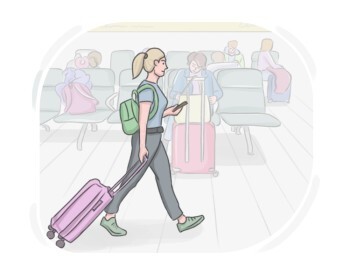
a journey that you take for fun or a particular reason, generally for a short amount of time
viaje, excursión
Decidieron hacer un viaje de un día para explorar el parque nacional cercano.
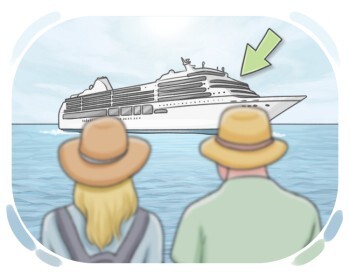
a long journey taken on a ship or spacecraft
viaje
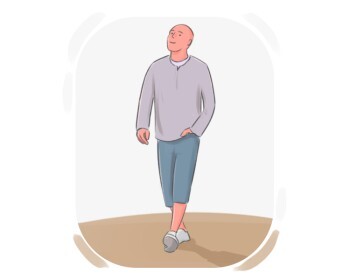
to move forward at a regular speed by placing our feet in front of each other one by one
caminar
El bebé acaba de aprender a caminar y está dando unos pasos a la vez.
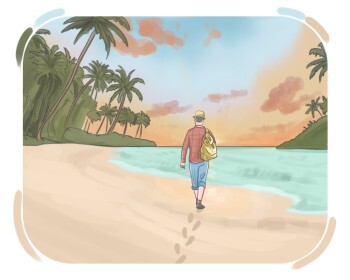
to walk leisurely or casually, typically without a specific destination or purpose, often for enjoyment or relaxation
pasear,caminar sin prisa
Los residentes del pintoresco pueblo a menudo se reúnen en la plaza del pueblo para pasear y charlar con sus vecinos.
to walk or move somewhere slowly and casually, often taking an indirect route
deambular, vagar
(of a place) very isolated and remote, situated far from populated areas or access to the outside world
solitario
Circulaban rumores sobre actividades misteriosas que tenían lugar dentro de la base militar reclusa y fuertemente custodiada.
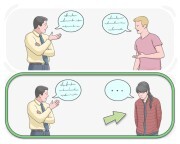
reluctant to share feelings or problems
reservado
Siempre ha sido una persona reservada, prefiriendo escuchar en lugar de hablar.
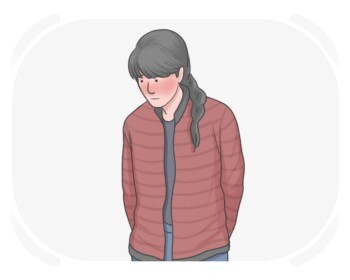
nervous or uncomfortable about meeting, speaking to, or being noticed by other people
tímido
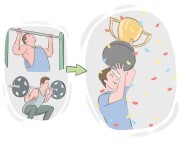
to successfully accomplish a goal, obtain a desired result, or reach a particular level through effort
lograr

to reach or achieve what one desired or tried for
tener éxito, triunfar, lograr
La determinación y el trabajo duro del estudiante le permitieron lograr aprobar el examen desafiante.
to arrive at a particular level, amount, age, or stage of development
llegar a
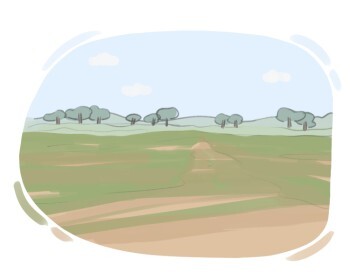
the surface layer of earth that is solid and people walk on
suelo
Los niños jugaron fútbol en el suelo cubierto de hierba.
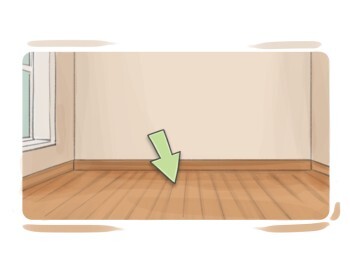
the bottom of a room that we walk on
suelo, piso
Ella dejó caer un plato por accidente, y se hizo añicos en el suelo.
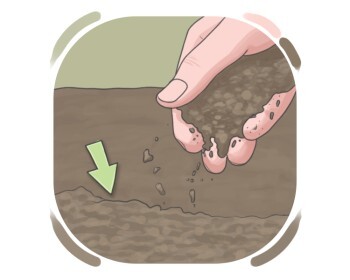
the black or brownish substance consisted of organic remains, rock particles, and clay that forms the upper layer of earth where trees or other plants grow
tierra
Las lluvias intensas pueden causar la erosión del suelo, afectando los rendimientos de los cultivos.
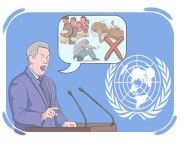
to openly and strongly disapprove or condemn something
deplorar
Ella deploró el uso de la violencia como solución a los conflictos.
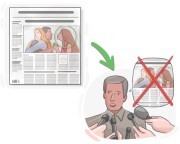
to refuse to admit the truth or existence of something
negar
A pesar de los testimonios, el acusado optó por negar cualquier irregularidad en el tribunal.
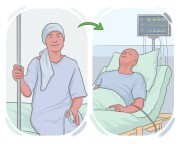
to gradually become worse or weaker in quality, health, ability, or condition
