
Habilidades de Palabras SAT 2 - Lección 8
Revisión
Tarjetas de memoria
Ortografía
Cuestionario


to strongly argue, disapprove, or disagree with someone or something

protestar
Mañana, voy a protestar con mi casero por el aumento repentino del alquiler.
the state of being subjected to something potentially harmful or unpleasant
exposición
to give an explanation of something by talking about it in great detail
exponer
El profesor explicó el tema, proporcionando un análisis en profundidad y ejemplos.
a steep cliff or edge of a rock face, often with a significant drop
precipicio
El sendero de la montaña terminó abruptamente en un precipicio peligroso.
happening more quickly than normal circumstances, especially without required preparation
precipitado
Los testigos dijeron que el tiroteo parecía ser una reacción precipitada más que premeditada.
being made or carried out in a hurrying way that lacked thoughtful consideration
precipitado
Su renuncia precipitada parecía ser un movimiento poco aconsejable hecho sin pensarlo completamente.

relating to or based on theory or logical reasoning rather than practical experience or application
teórico
Ella tenía un fuerte conocimiento teórico de los principios de diseño pero un portafolio limitado de obras arquitectónicas realizadas.
someone who formulates general principles to explain specific events or phenomena
teórico
to express various scenarios about something without necessarily basing it on evidence or facts
teorizar
Sin pruebas sólidas, es fácil teorizar pero más difícil de probar.
the main idea, opinion, or theory that someone presents and supports with arguments
tesis

using statements that mean the opposite of what is stated, often to convey criticism or humor through an implied second meaning
irónico
a form of humor in which the words that someone says mean the opposite, producing an emphatic effect
ironía
Su discurso estuvo lleno de ironía, burlándose del llamado «éxito» de la empresa.
to study or collect plants in a scientific or systematic manner, often in their natural environments
herborizar
Ella había botanizado en varios ecosistemas antes de especializarse en comunidades de plantas costeras.
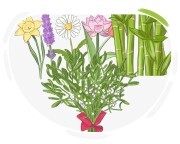
the scientific study of plants, their structure, genetics, classification, etc.
botánico
La botánica nos ayuda a entender cómo las plantas contribuyen a la salud ambiental.

to ask someone in an emotional or urgent way to do something
rogar, suplicar
Te ruego que consideres mi propuesta seriamente.
a request made with sincerity or desperation
ruego
La súplica del prisionero por clemencia cayó en oídos sordos.
referring to traits that are present from birth and are influenced by genetic inheritance, such as medical conditions or physical features
innato
Los investigadores intentaron determinar si ciertas condiciones médicas tenían una causa innata o ambiental.
born or developed as a result of reproduction between closely related members within a group of animals, plants, or people
endogámico
Los animales endogámicos a menudo exhiben tasas de fertilidad y supervivencia reducidas.
a faint, cloudy spot on the cornea of the eye
nebulosa
Le diagnosticaron una nébula en un ojo.
relating to or resembling a vast cloud of dust and gas in space
nebuloso
Las nubes nebulosas en el cielo nocturno se asemejaban a una nebulosa distante.
