
Czasowniki Tematyczne - Czasowniki związane z rolnictwem i uprawą roli
Tutaj nauczysz się niektórych angielskich czasowników odnoszących się do rolnictwa i uprawy, takich jak "sadzić", "kompostować" i "zbierać plony".
Przegląd
Fiszki
formy
Pisownia
Test
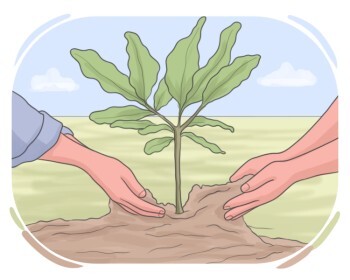
to put a seed, plant, etc. in the ground to grow

sadzić
Każdej wiosny społeczność zbiera się, aby sadzić kwiaty na miejskim placu.
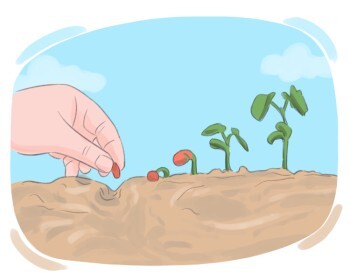
to plant seeds by scattering them on the ground
siać, rozsiewać nasiona
Oni sieją nasiona dyni w ogrodzie na podwórku na domowe ciasta jesienią.
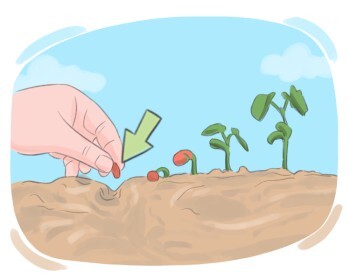
to spread small plant parts over soil to start their growth
siać, rozsiewać nasiona
Oni zasiewają grządkę warzywną nasionami ogórków, aby latem zbierać świeże plony.
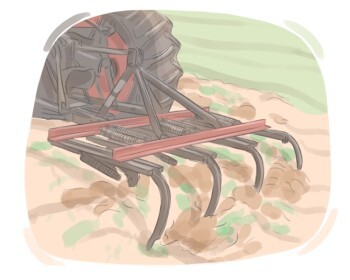
to use a large farming equipment to dig the ground and make it ready for farming
orać, uprawiać ziemię
Robotnicy rolni orzą pola ryżowe, aby przygotować je do siewu.
to prepare the soil for planting by digging, stirring, or turning it over using a tool such as a plow or a tiller
uprawiać, orać
Ona uprawia rabaty kwiatowe ręcznym kultywatorem, aby napowietrzyć glebę przed siewem nasion.
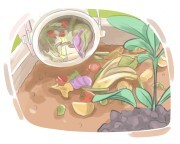
to make decayed leaves, plants, or other organic waste into a mixture that can improve the soil's quality to help plants grow more quickly
kompostować, robić kompost
Kompostowanie odpadów żywnościowych zmniejsza ilość odpadów na wysypiskach, jednocześnie poprawiając zdrowie gleby.
to cover the soil around plants with a layer of material like wood chips or leaves to retain moisture, suppress weeds, and regulate soil temperature
ściółkować, pokrywać ściółką
Ściółkowanie doniczek kwiatowych wiórami kory pomaga zatrzymać wilgoć i regulować temperaturę gleby.
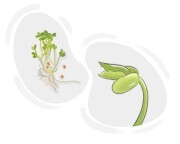
(of a seed or plant) to begin growing
kiełkować, wschodzić
Nasiona słonecznika szybko kiełkują, gdy są posadzone w glebie bogatej w składniki odżywcze.
to prepare land for raising crops or growing plants
uprawiać, przygotowywać
Po deszczu rolnik wrócił, aby uprawiać wilgotną glebę dla lepszego wzrostu nasion.
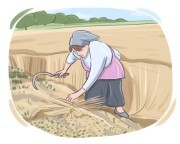
to cut and collect a crop
zbierać plony, żąć
Zbiór winogron z winnicy zaczyna się wczesną jesienią do produkcji wina.
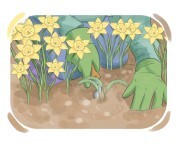
to rid a garden or other area of land of unwanted plants
plewić, usuwać chwasty
Pielenie ziemi wokół młodych roślin pomaga im się rozwijać, zmniejszając konkurencję o składniki odżywcze.
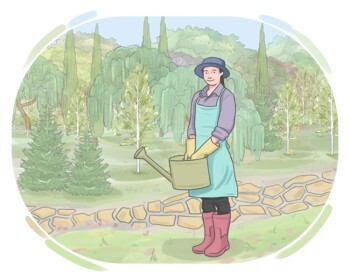
to cultivate and nurture plants in an outdoor space, either as a job or hobby
ogrodnictwo, uprawiać rośliny
Ona ogrodnictwo w swoim ogrodzie, uprawiając warzywa i kwiaty dla swojej rodziny.
to cut or gather a crop
zbierać, żąć
Ona zbiera warzywa z grządek, aby zabrać je na targ.
to cut off top part or some branches of trees, bushes, or other plants to help them grow faster
przycinać, obcinać
Przycinanie roślin pomidorowych pomaga poprawić cyrkulację powietrza i zapobiegać chorobom.
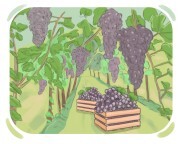
(of a farm or an industry) to grow or produce a crop or product
produkować, dawać
Dzięki zrównoważonym praktykom rolniczym, organiczny ogród wyprodukował różnorodne warzywa w ciągu całego sezonu wegetacyjnego.
to plant by burying the base of a plant in soil
zakorzeniać, sadzić
Zakorzenianie bylin w glebie pozwala im rozwinąć silny system korzeniowy.
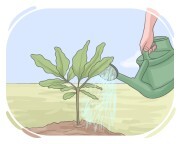
to pour water on the ground to make plants grow in it
podlewać
Po posadzeniu nasion pamiętaj o regularnym podlewaniu ich.

to supply crops, land, etc. with water, typically by artificial means
nawadniać, irygować
Ogrodnicy nawadniają rabaty kwiatowe systemem nawadniania kropelkowego, aby oszczędzać wodę.
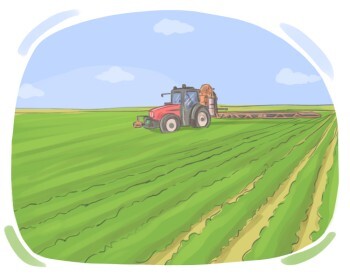
to grow crops or raise animals using agricultural techniques to improve production
uprawiać, hodować
Rodzina uprawia pszenicę i kukurydzę na swojej ziemi na wsi.
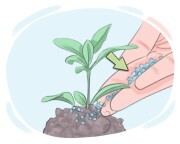
to increase productivity of the soil by spreading suitable substances on it
nawozić, wzbogacać
On nawozi swoje rabaty kwiatowe dojrzałym obornikiem, aby dostarczyć niezbędnych składników odżywczych roślinom kwitnącym.
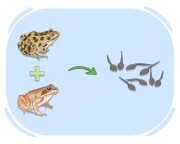
(of animals) to have sex for breeding or reproduction
parzyć się, rozmnażać się
Pingwiny parzą się na lądzie, tworząc monogamiczne pary w sezonie lęgowym.
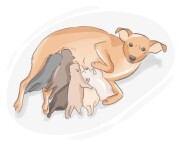
(of an animal) to have sex and give birth to young
rozmnażać się, wydawać potomstwo
Te króliki znane są z szybkiego rozmnażania się, więc przygotuj się na więcej młodych wkrótce.
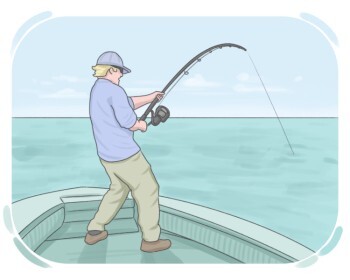
to catch or attempt to catch fish with special equipment such as a fishing line and a hook or net
łowić ryby
Kiedyś łowiliśmy ryby godzinami podczas naszych wakacji letnich.
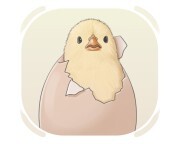
(of birds, fish, etc.) to come out of an egg
wykluwać się
W klasie uczniowie z zaciekawieniem obserwowali, jak kaczątka wykluwały się z jaj.
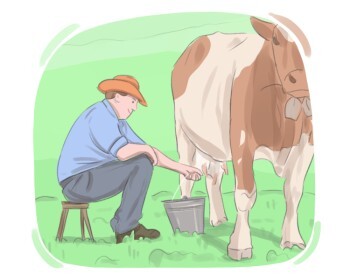
to collect milk from animals such as cows, goats, etc.
doić, doić krowy
Przemysł mleczarski zatrudnia pracowników do dojenia setek krów wydajnie każdego dnia.

(of a fish, frog, etc.) to lay or release eggs
składać ikrę, rozmnażać się
Niektóre gatunki żółwi morskich wracają na plaże, gdzie się urodziły, aby złożyć jaja.
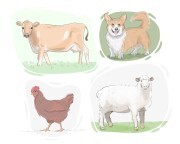
to change wild animals or plants for human use or cultivation
udomowić, oswoić
Proces udomowienia koni zrewolucjonizował transport i rolnictwo.

to make a wild animal or bird fit for living with people
oswoić, ujarzmić
Sokolnik spędził lata na oswajaniu ptaków drapieżnych do polowań.

(of a plant) to develop small, immature growths that will eventually become leaves, flowers, or shoots
pączkować, kiełkować
Winorośle w tym roku wcześnie wypuściły pąki, podnosząc nadzieje na dobry zbiór.

(of a plant) to bear flowers, especially flowers that are not fully open
kwitnąć, rozkwitać
W szklarni storczyki zakwitły żywymi kolorami, tworząc spektakularny pokaz.
(of a plant) to produce or display blossoms or blooms
kwitnąć, zakwitać
Pomimo suchych warunków, dzikie kwiaty zakwitły wspaniale na łące.

(of a plant) to produce flowers and display them in full color
kwitnąć, rozkwitać
Pomimo suszy, pustynne kaktusy zakwitły żywymi kwiatami po deszczu.
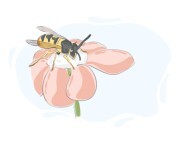
to deposit pollen on a plant or flower so that it can produce new seeds or fruit
zapylać, zapładniać
Motyle i inne owady odgrywają kluczową rolę w zapylaniu różnych roślin kwitnących.
