
Mga Pandiwa na Kaugnay sa Paksa - Mga Pandiwa na May Kaugnayan sa Agrikultura at Pagsasaka
Dito matututunan mo ang ilang mga pandiwa sa Ingles na tumutukoy sa agrikultura at pagsasaka tulad ng "magtanim", "mag-compost", at "ani".
Repasuhin
Flashcards
mga anyo
Pagbaybay
Pagsusulit

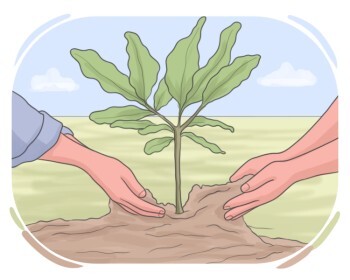
to put a seed, plant, etc. in the ground to grow

itanim
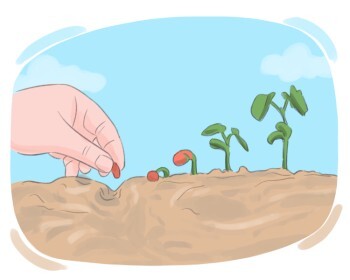
to plant seeds by scattering them on the ground
maghasik, magkalat ng binhi
Nagtatanim siya ng mga buto ng kamatis sa hardin tuwing tagsibol para sa sariwang ani.
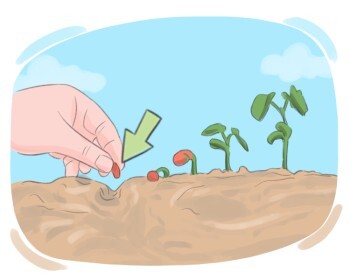
to spread small plant parts over soil to start their growth
maghasik ng binhi, magtanim ng binhi
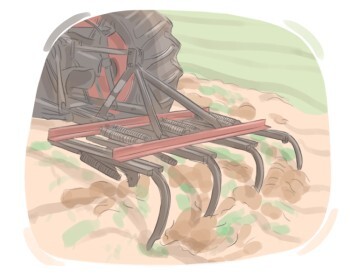
to use a large farming equipment to dig the ground and make it ready for farming
mag-araro, bungkalin ang lupa
to prepare the soil for planting by digging, stirring, or turning it over using a tool such as a plow or a tiller
magbungkal, mag-araro
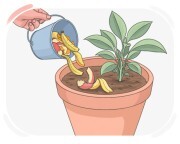
to make decayed leaves, plants, or other organic waste into a mixture that can improve the soil's quality to help plants grow more quickly
mag-compost, gumawa ng compost
Siya ay nagko-compost ng mga tirang pagkain at basura sa bakuran upang makagawa ng mayamang lupa sa nutrisyon para sa kanyang hardin.
to cover the soil around plants with a layer of material like wood chips or leaves to retain moisture, suppress weeds, and regulate soil temperature
mag-mulch, takpan ng mulch
Ang pagmumulch ng mga paso ng bulaklak gamit ang mga piraso ng balat ng kahoy ay tumutulong sa pagpapanatili ng kahalumigmigan at pag-regulate ng temperatura ng lupa.
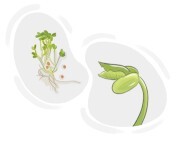
(of a seed or plant) to begin growing
tumubo, sumibol
Nagtatanim siya ng mga buto sa hardin at pinapanood silang tumubo pagkatapos ng ilang araw.
to prepare land for raising crops or growing plants
linangin, ihanda
Maingat na linilinang ng hardinero ang lupa bago magtanim ng mga bulaklak sa tagsibol.
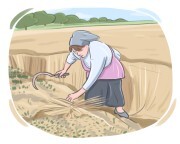
to cut, pick, and collect a crop when it is ready
mag-ani, mag-ani ng
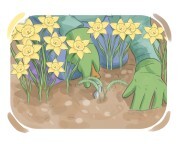
to rid a garden or other area of land of unwanted plants
mag-alis ng damo, linisin ang mga damo
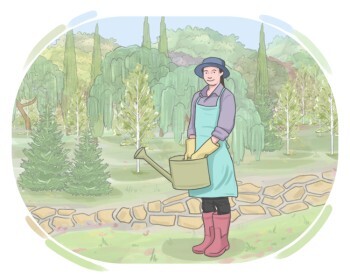
to cultivate and nurture plants in an outdoor space, either as a job or hobby
maghardin, magtanim
to cut or gather a crop
ani, gapas
Ang mga magsasaka ay umaani ng trigo mula sa mga bukid sa panahon ng anihan ng tag-araw.
to cut off top part or some branches of trees, bushes, or other plants to help them grow faster
magpungos, magputol
Pinuputol niya ang mga rose bush sa hardin upang hikayatin ang mas maraming bulaklak.
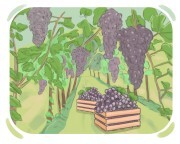
(of a farm or an industry) to grow or produce a crop or product
gumawa, magbigay
to plant by burying the base of a plant in soil
mag-ugat, itanim
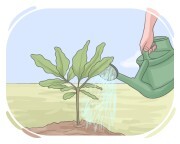
to pour water on the ground to make plants grow in it
diligan

to supply crops, land, etc. with water, typically by artificial means
patubigan, diligan
Sila ay nagdidilig ng mga bukid gamit ang isang network ng mga sprinkler upang matiyak ang pantay na pamamahagi ng tubig.
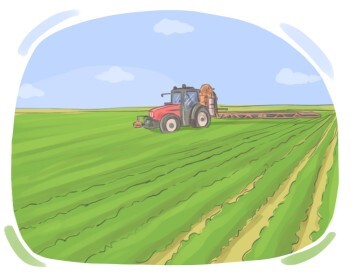
to grow crops or raise animals using agricultural techniques to improve production
magtanim, mag-alaga
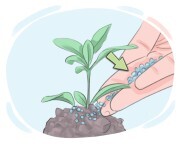
to increase productivity of the soil by spreading suitable substances on it
patabaan, payabungin
Ang mga hardinero ay nagpapataba ng kanilang mga taniman ng gulay gamit ang compost upang palaguin ang lupa ng mga sustansya.
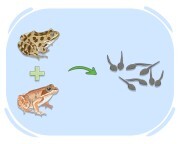
to have sex in order to reproduce, especially of animals
mag-asawa, magtalik
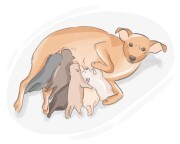
(of an animal) to have sex and give birth to young
mag-anak, dumami

to catch or attempt to catch fish with special equipment such as a fishing line and a hook or net
mangingisda

(of birds, fish, etc.) to come out of an egg
pisa
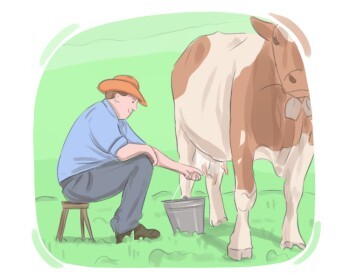
to collect milk from animals such as cows, goats, etc.
gatasin, gatasin ang mga baka

(of a fish, frog, etc.) to lay or release eggs
mangitlog, magparami
Ang salmon ay lumalangoy paakyat sa agos para mangitlog sa parehong ilog kung saan ito ipinanganak.
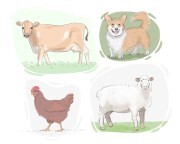
to change wild animals or plants for human use or cultivation
alagaan, palahin
Ang mga magsasaka ay nag-domesticate ng mga baboy, pumipili ng mga katangian para sa kadocilidad at angkop sa pagsasaka.

to make a wild animal or bird fit for living with people
amuin, pahinahon
Ginamit ng trainer ang malumanay na mga paraan upang amuin ang ligaw na kabayo.

(of a plant) to develop small, immature growths that will eventually become leaves, flowers, or shoots
mag-usbong, tubuan
Sa tagsibol, ang mga puno ay nag-uusbong ng mga sariwang dahon, na nagpapahiwatig ng pagdating ng mas mainit na panahon.

(of a plant) to bear flowers, especially flowers that are not fully open
mamulaklak, bumukadkad
Ang mga puno ng cherry sa parke ay namulaklak ng mga maselang rosas na bulaklak sa tagsibol.
(of a plant) to produce or display blossoms or blooms
mamulaklak, bumukadkad

(of a plant) to produce flowers and display them in full color
mamulaklak, bumuka
Ang mga rose bush ay namulaklak nang maganda sa hardin ngayong tag-araw.
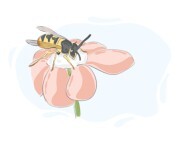
to deposit pollen on a plant or flower so that it can produce new seeds or fruit
mag-pollinate, magpabunga
Ang mga bubuyog ay nag-pollinate ng mga bulaklak habang kumukuha ng nektar, na tumutulong sa pagpaparami ng mga halaman.
