Topic-Related Verbs - Verbs Related to Agriculture and Farming

Here you will learn some English verbs referring to agriculture and farming such as "plant", "compost", and "harvest".

review-disable

review

flashcard-disable

flashcard

spelling-disable

spelling

quiz-disable

quiz

start-learning
Topic-Related Verbs
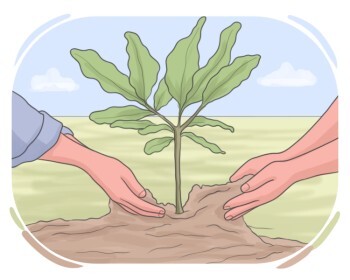
to plant [verb]

to put a seed, plant, etc. in the ground to grow
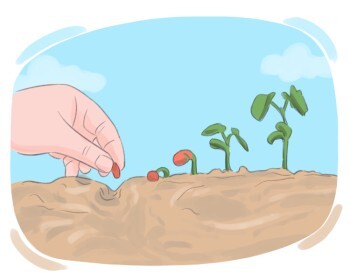
Ex: The children were excited to plant pumpkin seeds and watch them grow .
to sow [verb]

to plant seeds by scattering them on the ground
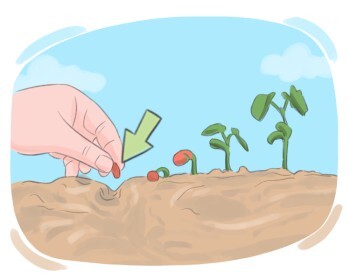
Ex: The farmer sows wheat seeds in the field to cultivate a crop for harvest .
to seed [verb]

to spread small plant parts over soil to start their growth
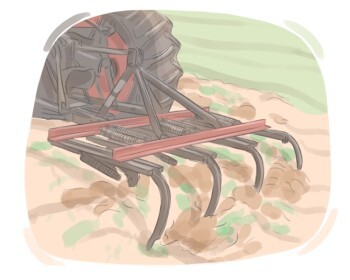
Ex: The farmer seeds the field with soybean seeds to cultivate a crop for harvest .
to plow [verb]

to use a large farming equipment to dig the ground and make it ready for farming

Ex: He plows the garden plot with a plow attachment on his tractor to create furrows for planting .
to till [verb]

to prepare the soil for planting by digging, stirring, or turning it over using a tool such as a plow or a tiller
Ex: The farmer tills the land with a plow to prepare it for planting crops .

to make decayed leaves, plants, or other organic waste into a mixture that can improve the soil's quality to help plants grow more quickly

Ex: The farmer composts manure and crop residues to enrich the soil and increase yields .
to mulch [verb]

to cover the soil around plants with a layer of material like wood chips or leaves to retain moisture, suppress weeds, and regulate soil temperature
Ex:

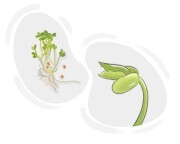
(of a seed or plant) to begin growing

Ex:

to prepare land for raising crops or growing plants
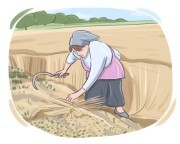
Ex: They used a plow to cultivate the ground before planting the seeds .

to cut and collect a crop

Ex: The gardeners harvest tomatoes from the vines when they are fully red and ripe .
to weed [verb]

to rid a garden or other area of land of unwanted plants
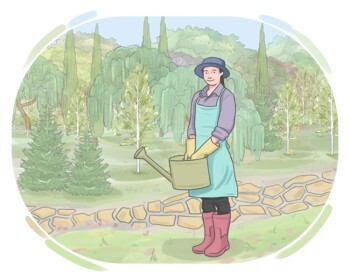
Ex: The gardener weeds the lawn regularly to maintain its lush appearance .

to cultivate and nurture plants in an outdoor space, either as a job or hobby

Ex:
to reap [verb]

to cut or gather a crop

Ex: The workers reap rice from the flooded paddies using traditional methods .
to prune [verb]

to cut off top part or some branches of trees, bushes, or other plants to help them grow faster
Ex: The gardener prunes the shrubs along the walkway to maintain their size and appearance .
to yield [verb]

(of a farm or an industry) to grow or produce a crop or product

Ex: The fertile soil in this region yields abundant crops of wheat and corn .
to root [verb]

to plant by burying the base of a plant in soil
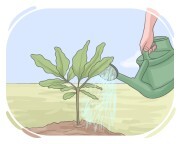
Ex: The farmer roots the young trees in the orchard to ensure proper growth .
to water [verb]

to pour water on the ground to make plants grow in it

Ex: She set up an automatic sprinkler system to water her flowers .

to supply crops, land, etc. with water, typically by artificial means
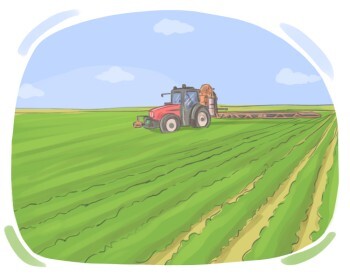
Ex: The gardeners irrigate the flower beds with drip irrigation to conserve water .
to farm [verb]

to grow crops or raise animals using agricultural techniques to improve production
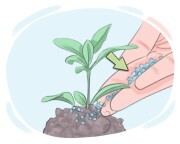
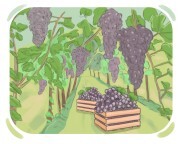
Ex: He decided to farm grapes to start his own winery .

to increase productivity of the soil by spreading suitable substances on it
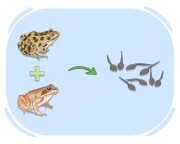
Ex: The orchardists fertilize their fruit trees with organic fertilizers to improve fruit quality .
to mate [verb]

(of animals) to have sex for breeding or reproduction

Ex: Bees mate mid-flight , with the queen mating with multiple drones .
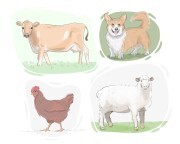
to breed [verb]

(of an animal) to have sex and give birth to young
Ex: Wolves in the wild have a complex social structure that influences when and with whom they breed .
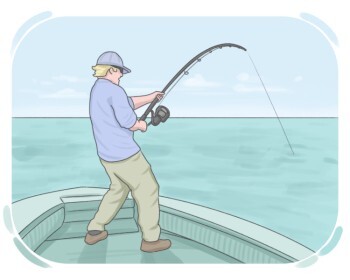
to fish [verb]

to catch or attempt to catch fish with special equipment such as a fishing line and a hook or net
Ex: My dad taught me how to fish when I was a child
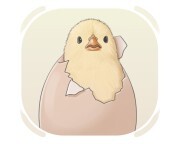
to hatch [verb]

(of birds, fish, etc.) to come out of an egg
Ex: In the classroom , students watched in excitement as the ducklings hatched from their eggs .
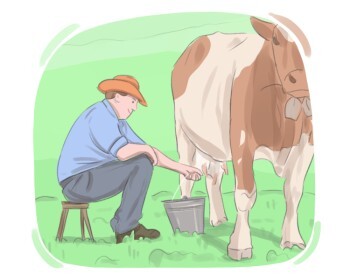
to milk [verb]

to collect milk from animals such as cows, goats, etc.

Ex: In rural areas , families often milk their own cows for fresh dairy products .
to spawn [verb]

(of a fish, frog, etc.) to lay or release eggs
Ex: In the aquarium , the tropical fish are induced to spawn by adjusting water temperature and lighting .

to change wild animals or plants for human use or cultivation

Ex: Cats were domesticated in ancient Egypt to control pests in grain stores .
to tame [verb]

to make a wild animal or bird fit for living with people

Ex: Jane managed to tame the stray kitten , which now happily lives indoors .
to bud [verb]

(of a plant) to develop small, immature growths that will eventually become leaves, flowers, or shoots

Ex: Gardeners eagerly awaited the orchid plant to bud , anticipating its exotic flowers .

(of a plant) to bear flowers, especially flowers that are not fully open

Ex: The apple tree in our backyard finally blossomed , promising a bountiful harvest .

(of a plant) to produce or display blossoms or blooms
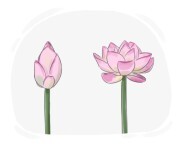
Ex: The sunflowers flowered late this year due to the extended rainy season .
to bloom [verb]

(of a plant) to produce flowers and display them in full color
Ex: The daffodils bloomed early this year , signaling the arrival of spring .

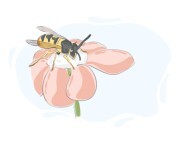
to deposit pollen on a plant or flower so that it can produce new seeds or fruit

Ex: Farmers often rely on honeybees to pollinate their crops , ensuring a successful harvest .