
Linguistics - Punctuation
Here you will learn some English words related to punctuation such as "apostrophe", "colon", and "ellipsis".
Review
Flashcards
Spelling
Quiz
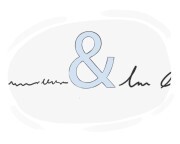
the symbol & used in writing to signify the word 'and'
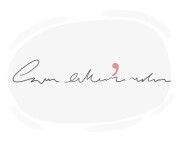
the symbol ' used in writing to show possession or omission of letters or numbers
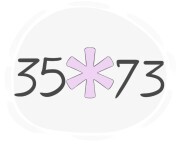
the symbol * used in writing or printing to show that there is more information about something in the footnote or as an indication of importance or omission
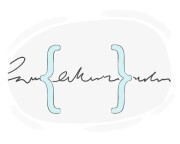
either of the two symbols { } used especially in mathematics or computing to show that the items within are connected together
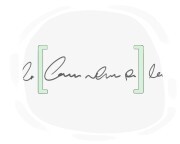
each of the two symbols [ ] used to indicate that the enclosed numbers or words should be considered separately
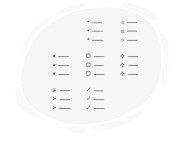
a symbol (•) or short statement used to list or highlight individual items in text
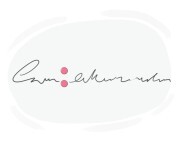
the punctuation mark : used to introduce a quotation, explanation, or list of items
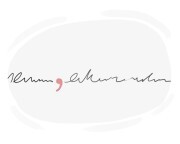
the mark , used to separate items in a list or indicate a pause in a sentence
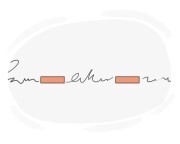
the punctuation mark - used in writing to separate parts of a sentence, instead of a colon or brackets
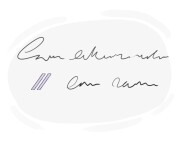
the symbol〃used under a word in a list to show that it is repeated and to avoid writing it down again
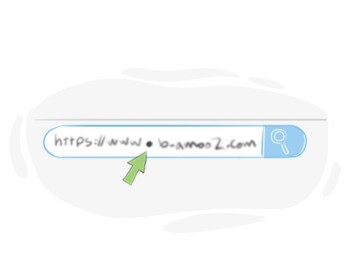
a small, round mark or spot
a small line used to connect words or parts of words

a symbol in writing or print used to signify something
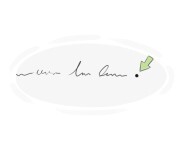
the symbol (.) used to end a declarative sentence or mark an abbreviation
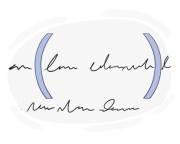
either of the symbols ( ) used in writing to enclose extra information that is given or to group a symbolic unit in logic or mathematics
the punctuation mark . used to indicate that a sentence or an abbreviation is ended
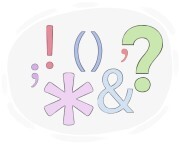
any mark such as a period, comma, brackets, etc., used in writing to divide phrases and sentences and to make them clearly understood
the mark ? used at the end of a sentence to show that it is a question

either of the symbols " " or ' ' used before and after a word or words to indicate the beginning and the end of a title or quoted remark, or to mark a jargon
(plural) another way of saying quotation marks
the punctuation mark ; used to separate the items in a list or to indicate a pause between two main clauses in a compound sentence
the symbol / used in print or writing to indicate alternatives or fractions, etc.
the use of hyphens to connect syllables or words together for clarity or to form compound words
a punctuation symbol used to indicate additional information or a footnote reference in written text
a typographical symbol (∙) used primarily in mathematics and technical notation to represent a binary operation such as multiplication
a typographical symbol used to indicate a specific section or division within a document, often used in legal or academic contexts to reference a particular part or topic
a single typographical symbol, either the opening or closing angle quotation mark (« or ») used in various languages to indicate quotations or enclose text with a special meaning
the symbol @, that is used in email addresses and other forms of electronic communication
a small, V-shaped symbol often used in mathematics and computer programming to indicate exponentiation, bitwise XOR operations, or to mark insertions or corrections in text
a punctuation mark that consists of a small dot used to separate or clarify elements within a sentence, such as in decimal numbers, abbreviations, or to indicate word boundaries in some languages
a punctuation mark consisting of three dots that indicates the omission of words or a pause in speech, often used to create suspense, indicate trailing off, or show incomplete thoughts in writing
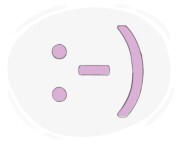
a sign formed by keyboard characters to show the tone of a message or its sender's facial expression, used on social media or in text messages
a punctuation mark that combines the question mark and exclamation mark, used to express a mixture of surprise and inquiry, or to convey a rhetorical question with emphasis
a punctuation mark that is slightly longer than a hyphen (-) and is used to indicate a range or connection between two elements, such as dates, times, or numbers, it is also used to show contrast or connection between words or phrases
a punctuation mark used to set off nonessential or supplementary information within a sentence, indicating a slight pause or separation of the parenthetical element from the rest of the sentence
a comma used before the conjunction, usually "and" or "or", in a list of three or more items, providing clarity and avoiding ambiguity
a punctuation mark consisting of two parallel horizontal lines used to enclose quoted or cited material
a punctuation mark consisting of a curved or slanted line used to enclose quoted or cited material within a larger quotation or to indicate a word or phrase as being ironic, unconventional, or used in a specialized sense
a typographical symbol (†) used to indicate a footnote, annotation, or cross-reference in printed text
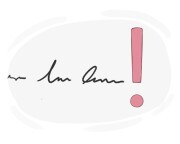
the mark ! used after a sentence to indicate excitement, surprise, etc.
