pattern

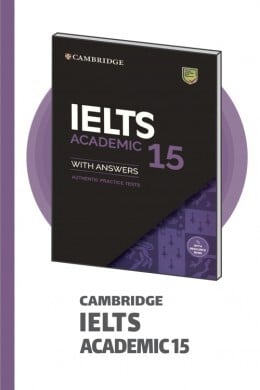
Cambridge IELTS 15 - Académico - Prueba 2 - Escucha - Parte 3

Aquí puedes encontrar el vocabulario del Test 2 - Audición - Parte 3 del libro de curso Cambridge IELTS 15 - Academic, para ayudarte a preparar tu examen IELTS.

Revisión

Tarjetas de memoria

formas

Ortografía

Cuestionario
Empezar a aprender
Cambridge IELTS 15 - Academic
novelist
novelist
[Sustantivo]

a writer who explores characters, events, and themes in depth through long narrative stories, particularly novels

novelista

novelista

Ex: Many aspiring novelists attend writing workshops to refine their craft and gain feedback on their work. 

Muchos aspirantes a novelistas asisten a talleres de escritura para refinar su arte y recibir comentarios sobre su trabajo.

to inspire
to inspire
[Verbo]

to fill someone with the desire or motivation to do something, especially something creative or positive

inspirar

inspirar

Ex: The coach's motivational speeches inspired the team to achieve victory. 

Los discursos motivacionales del entrenador inspiraron al equipo para lograr la victoria.

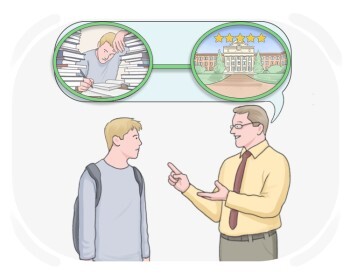
publication
publication
[Sustantivo]

a printed work, such as a book, magazine, etc. that is publicly distributed

publicación
publicación

Ex: The publication of the novel was delayed due to printing issues. 

La publicación de la novela se retrasó debido a problemas de impresión.

to consult
to consult
[Verbo]

to seek information or advice from someone, especially before making a decision or doing something

consultar

consultar

Ex: I consulted with my friends before making a decision about which college to attend. 

Consulté con mis amigos antes de tomar una decisión sobre a qué universidad asistir.

reputation
reputation
[Sustantivo]

the general opinion that the public has about someone or something because of what they did in the past

reputación, fama

reputación, fama

Ex: The restaurant's reputation for delicious food and friendly service attracted many new customers. 

La reputación del restaurante por su deliciosa comida y servicio amable atrajo a muchos clientes nuevos.

display
display
[Sustantivo]

something presented for public viewing

exposición, presentación

exposición, presentación

Ex: The trophy was placed on display in the entrance hall. 

El trofeo fue colocado en exposición en el vestíbulo de entrada.

material
material
[Sustantivo]

data and information that can be gathered to form a research

material, datos

material, datos

Ex: The professor provided ample material for the students' research projects. 

El profesor proporcionó material amplio para los proyectos de investigación de los estudiantes.

to set up
to set up
[Verbo]

to place a temporary structure in a specific place

instalar, establecer

instalar, establecer

Ex: Volunteers arrived early to set up the shelters for the homeless population, providing a safe and warm place during the winter months. 

Los voluntarios llegaron temprano para montar los refugios para la población sin hogar, proporcionando un lugar seguro y cálido durante los meses de invierno.

to gather
to gather
[Verbo]

to understand information based on what is available

entender, deducir
entender, deducir

Ex: From the way her friend hesitated before answering, she gathered that something was on their mind. 

Por la forma en que su amigo dudó antes de responder, ella dedujo que algo les preocupaba.

department
department
[Sustantivo]

a part of an organization such as a university, government, etc. that deals with a particular task

departamento

departamento

Ex: My brother works in the finance department of a big corporation. 

Mi hermano trabaja en el departamento de finanzas de una gran corporación.

to attract
to attract
[Verbo]

to interest and draw someone or something toward oneself through specific features or qualities

atraer

atraer

Ex: The new advertisement campaign aimed to attract a younger audience with its modern and dynamic approach. 

La nueva campaña publicitaria tenía como objetivo atraer a un público más joven con su enfoque moderno y dinámico.

profile
profile
[Sustantivo]

the level of visibility or attention someone or something receives from the public

perfil,  visibilidad

perfil, visibilidad

Ex: He maintained a low profile to avoid media attention. 

Mantuvo un perfil bajo para evitar la atención de los medios.

to publicize

to draw public's attention to something by giving information about it as an act of advertisement

publicitar

publicitar

Ex: Local businesses often publicize special promotions to attract customers. 

Los negocios locales a menudo publicitan promociones especiales para atraer clientes.

to apply
to apply
[Verbo]

to formally request something, such as a place at a university, a job, etc.

solicitar,  postular

solicitar, postular

Ex: She decided to apply for the scholarship to support her education. 

Ella decidió solicitar la beca para apoyar su educación.

presumably
presumably
[Adverbio]

used to say that the something is believed to be true based on available information or evidence

presumiblemente, es de suponer

presumiblemente, es de suponer

Ex: The CEO's sudden resignation is presumably linked to the company's financial challenges. 

La renuncia repentina del CEO está presumiblemente relacionada con los desafíos financieros de la empresa.
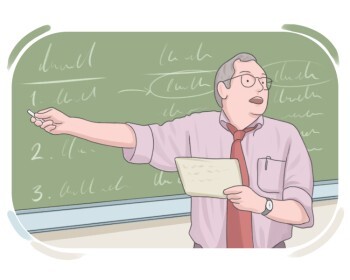
lecturer
lecturer
[Sustantivo]

a person who teaches courses at a college or university, often with a focus on undergraduate education, but who does not hold the rank of professor

profesor de universidad, profesor

profesor de universidad, profesor

Ex: The new lecturer is introducing innovative teaching methods to the students. 

El nuevo conferenciante está introduciendo métodos de enseñanza innovadores a los estudiantes.

to cover
to cover
[Verbo]

to encompass or include a range of topics, issues, or situations

cubrir, abarcar
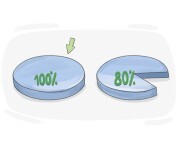
cubrir, abarcar

Ex: The discussion will cover recent developments in the field of artificial intelligence. 

La discusión cubrirá los desarrollos recientes en el campo de la inteligencia artificial.

entirely
entirely
[Adverbio]

to the fullest or complete degree

completamente

completamente

Ex: The concept was entirely new to the scientific community. 

El concepto era completamente nuevo para la comunidad científica.

to [be] up to  {sb}

to be someone's responsibility or decision

Ex: The choice of movie is up to the kids tonight. 
to base on
to base on
[Verbo]

to develop something using certain facts, ideas, situations, etc.

basarse en, fundamentarse en

basarse en, fundamentarse en

Ex: His conclusions are based on years of experience. 

Sus conclusiones se basan en años de experiencia.

lead-in
lead-in
[Sustantivo]

an introductory section or opening statement that sets up or provides context for what follows

introducción, preámbulo

introducción, preámbulo

Ex: The article's lead-in provided just enough information to make readers curious. 

La introducción del artículo proporcionaba justo la suficiente información para despertar la curiosidad de los lectores.

campaigning
campaigning
[Sustantivo]

the campaign of a candidate to be elected

campaña electoral

campaña electoral

reform
reform
[Sustantivo]

a campaign or organized effort to correct wrongdoing, abuses, or malpractices

reforma, campaña de reforma

reforma, campaña de reforma

Ex: They joined a reform aimed at financial transparency. 

Se unieron a una reforma dirigida a la transparencia financiera.

to link
to link
[Verbo]

to establish a relationship or association between two things

vincular, relacionar
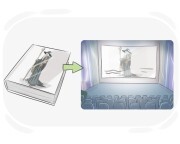
vincular, relacionar

Ex: The campaign aims to link consumer behavior with environmental impact to promote sustainability. 

La campaña tiene como objetivo vincular el comportamiento del consumidor con el impacto ambiental para promover la sostenibilidad.

to adapt
to adapt
[Verbo]

to change a book or play in a way that can be made into a movie, TV series, etc.

adaptar

adaptar

Ex: The producers hired a team of writers to adapt the classic play for a modern audience. 

Los productores contrataron a un equipo de escritores para adaptar la obra clásica para un público moderno.

straight away
straight away
[Adverbio]

without any delay

inmediatamente, enseguida

inmediatamente, enseguida

Ex: She called me straight away when she got the news. 

Ella me llamó inmediatamente cuando recibió la noticia.

quotation
quotation
[Sustantivo]

a sentence or group of words from a movie, book, etc. that someone else repeats

cita

cita

Ex: He often uses a quotation from his favorite movie to inspire others. 

A menudo usa una cita de su película favorita para inspirar a otros.
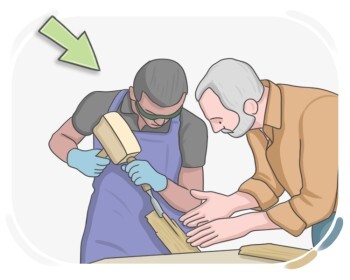
to illustrate

to explain or show the meaning of something using examples, pictures, etc.

explicar

explicar

Ex: He illustrated the process by showing step-by-step pictures in the manual. 

Él ilustró el proceso mostrando imágenes paso a paso en el manual.

touring
touring
[Adjetivo]

traveling to various locations to perform, compete, or be seen, typically as part of a planned event or series

de gira, itinerante

de gira, itinerante

Ex: The touring ballet company performed in theaters across Europe. 

La compañía de ballet de gira actuó en teatros por toda Europa.

amusement
amusement
[Sustantivo]

an activity that is diverting and that holds the attention

diversión,  entretenimiento

diversión, entretenimiento

to draw on
to draw on
[Verbo]

to use information, knowledge, or past experience to aid in performing a task or achieving a goal

recurrir a, aprovechar

recurrir a, aprovechar

Ex: When faced with a challenging decision, the manager decided to draw on the team's collective expertise. 

Ante una decisión desafiante, el gerente decidió recurrir a la experiencia colectiva del equipo.

theme
theme
[Sustantivo]

a recurring element that is the main idea or subject in a literary or artistic piece

tema

tema

selfishness
selfishness
[Sustantivo]

the quality or state of being excessively focused on oneself, one's own interests, or needs without regard for others.

egoísmo, egocentrismo

egoísmo, egocentrismo

Ex: Selfishness in relationships can lead to misunderstandings and resentment. 

El egoísmo en las relaciones puede llevar a malentendidos y resentimientos.

social justice
social justice
[Sustantivo]

the fair treatment of all people in society, ensuring equal access to opportunities, rights, and resources, regardless of background or status

justicia social, equidad social

justicia social, equidad social

Ex: Her activism is driven by a commitment to social justice and improving community conditions. 

Su activismo está impulsado por un compromiso con la justicia social y la mejora de las condiciones de la comunidad.

satire
satire
[Sustantivo]

humor, irony, ridicule, or sarcasm used to expose or criticize the faults and shortcomings of a person, government, etc.

sátira

sátira

Ex: The cartoonist's satire of political leaders sparked public debate. 

La sátira del caricaturista sobre los líderes políticos provocó un debate público.

heroine
heroine
[Sustantivo]

the main female character in a story, book, film, etc., typically known for great qualities

protagonista

protagonista

Ex: The heroine of the book is a young girl with special abilities. 

La heroína del libro es una joven con habilidades especiales.

guardian
guardian
[Sustantivo]

a person or thing that is responsible for the care, safety, and maintenance of someone or something

guardián, protector

guardián, protector

Ex: The ancient castle's guardian stood watch over its treasures and artifacts. 

El guardián del antiguo castillo vigilaba sus tesoros y artefactos.

debtor
debtor
[Sustantivo]

a person who owes a creditor; someone who has the obligation of paying a debt

deudor, acreedor

deudor, acreedor

to inherit
to inherit
[Verbo]

to receive money, property, etc. from someone who has passed away

heredar

heredar

Ex: The family home was inherited by the youngest son after the parents' death. 

La casa familiar fue heredada por el hijo menor después de la muerte de los padres.

fortune
fortune
[Sustantivo]

a very large sum of money

fortuna

fortuna

Ex: Winning the lottery gave her a fortune she had only dreamed of. 

Ganar la lotería le dio una fortuna que solo había soñado.

primarily
primarily
[Adverbio]

in the first place

principalmente

principalmente

Ex: The event is primarily aimed at raising awareness about climate change. 

El evento está principalmente dirigido a crear conciencia sobre el cambio climático.

open day
open day
[Sustantivo]

an occasion when a school, college, workplace, or other organization invites the public to visit and learn more about it

jornada de puertas abiertas, día de puertas abiertas

jornada de puertas abiertas, día de puertas abiertas

Ex: The open day gave people a chance to meet teachers and ask questions. 

La jornada de puertas abiertas dio a la gente la oportunidad de conocer a los profesores y hacer preguntas.

LanGeek
Descargar la aplicación LanGeek