pattern

Cambridge IELTS 15 - Academic - Test 2 - Listening - Part 3

Learn vocabulary from Cambridge IELTS 15 Academic, Test 2 Listening Part 3, and review useful words and expressions from this section of the practice test.

Review

Flashcards

Forms

Spelling

Quiz
Start learning
Cambridge IELTS 15 - Academic
novelist
novelist
[noun]

a writer who explores characters, events, and themes in depth through long narrative stories, particularly novels
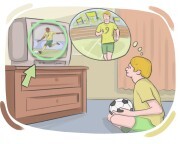
Ex: The novelist spent years researching for her historical fiction book to ensure accuracy in the portrayal of events. 
Close
Sign in
to inspire

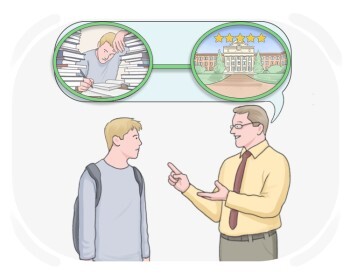
to make someone want or feel motivated to do something, especially something positive or creative
Ex: Her teacher inspired her to become a scientist. 
Close
Sign in
publication

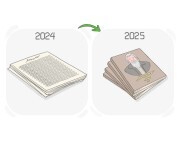
a printed work, such as a book, magazine, etc. that is publicly distributed
Ex: The library has a collection of rare publications from the 19th century. 
Close
Sign in
to consult

to ask someone for information, advice, or an opinion before making a decision or taking action

Ex: Laura consulted her doctor before changing her diet. 
Close
Sign in
reputation

the general opinion that the public has about someone or something because of what they did in the past

Ex: The company worked hard to build a reputation for excellent customer service. 
Close
Sign in
display
display
[noun]

something presented for public viewing

Ex: The new model was on display at the car show. 
Close
Sign in
material
material
[noun]

data and information that can be gathered to form a research

Ex: The scientist compiled all relevant material for her groundbreaking study. 
Close
Sign in
to set up
to set up
[Verb]

to place a temporary structure in a specific place

Ex: Due to the protest, the police set up a blockade on Main Street. 
Close
Sign in
to gather
to gather
[Verb]

to understand information based on what is available
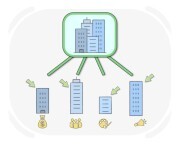
Ex: Observing the subtle cues in the conversation, she could gather that her colleague was feeling uneasy about the upcoming changes in the project. 
Close
Sign in
department

a part of an organization such as a university, government, etc. that deals with a particular task

Ex: He's applying for a job in the legal department of that firm. 
Close
Sign in
to attract

to interest and draw someone or something toward oneself through specific features or qualities

Ex: The vibrant colors of the flowers attracted butterflies to the garden. 
Close
Sign in
profile
profile
[noun]

the amount of public attention or visibility that a person, organization, or subject receives
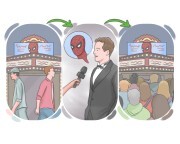
Ex: The campaign helped raise the company's public profile. 
Close
Sign in
to publicize

to draw public's attention to something by giving information about it as an act of advertisement
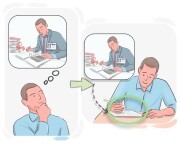
Ex: The company hired a marketing team to publicize its new product through various media channels. 
Close
Sign in
to apply
to apply
[Verb]

to formally request something, such as a place at a university, a job, etc.

Ex: Students often apply to multiple universities to increase their chances of acceptance. 
Close
Sign in
presumably
presumably
[Adverb]

used to say that the something is believed to be true based on available information or evidence
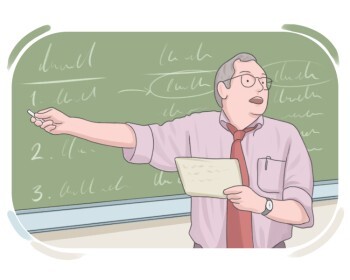
Ex: She left the office early, presumably to attend a family event. 
Close
Sign in
lecturer
lecturer
[noun]

a person employed to teach students at a college or university

Ex: Rachel works as a lecturer in economics at the university. 
Close
Sign in
to cover
to cover
[Verb]

to encompass or include a range of topics, issues, or situations
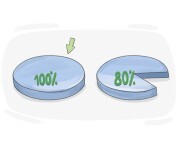
Ex: The textbook covers various topics in biology, from cell structure to ecosystems. 
Close
Sign in
entirely
entirely
[Adverb]

to the fullest or complete degree

Ex: The puzzle was entirely solved by the dedicated team. 
Close
Sign in
to [be] up to  {sb}

to be someone's responsibility or decision
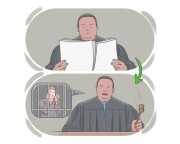
Ex: The final decision is up to the manager. 
Close
Sign in
to base on

to develop something using certain facts, ideas, situations, etc.

Ex: The report is based on extensive research in the field. 
Close
Sign in
lead-in
lead-in
[noun]

an introductory section or opening statement that sets up or provides context for what follows

Ex: The lead-in to the movie was so gripping that it had everyone on the edge of their seats. 
Close
Sign in
campaigning

the campaign of a candidate to be elected

Close
Sign in
reform
reform
[noun]

a campaign or organized effort to correct wrongdoing, abuses, or malpractices

Ex: The activists launched a reform to improve labor rights. 
Close
Sign in
to link
to link
[Verb]

to establish a relationship or association between two things
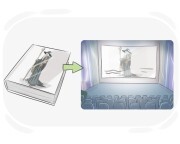
Ex: The researcher aims to link genetic factors with susceptibility to certain diseases. 
Close
Sign in
to adapt
to adapt
[Verb]

to change a book, play, or other work so that it can be presented in a different medium
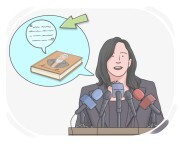
Ex: The director adapted the novel for television. 
Close
Sign in
straight away

without any delay

Ex: He answered the phone straight away. 
Close
Sign in
quotation
quotation
[noun]

a sentence or group of words from a movie, book, etc. that someone else repeats
Ex: She included a famous quotation from Shakespeare in her essay. 
Close
Sign in
to illustrate

to explain or show the meaning of something using examples, pictures, etc.

Ex: The teacher illustrated the concept with a simple diagram on the board. 
Close
Sign in
touring
touring
[Adjective]

traveling to various locations to perform, compete, or be seen, typically as part of a planned event or series

Ex: The touring band played at different venues across the country. 
Close
Sign in
amusement
amusement
[noun]

an activity that is diverting and that holds the attention

Close
Sign in
to draw on

to use information, knowledge, or past experience to aid in performing a task or achieving a goal

Ex: In solving the complex problem, she had to draw on her extensive background in mathematics. 
Close
Sign in
theme
theme
[noun]

a recurring element that is the main idea or subject in a literary or artistic piece

Ex: A major theme of the novel is the struggle for freedom. 
Close
Sign in
selfishness

the quality or state of being excessively focused on oneself, one's own interests, or needs without regard for others.

Ex: His selfishness was evident when he refused to help his friends in need. 
Close
Sign in
social justice

the fair treatment of all people in society, ensuring equal access to opportunities, rights, and resources, regardless of background or status

Ex: Social justice advocates work to ensure everyone has equal access to education and healthcare. 
Close
Sign in
satire
satire
[noun]

humor, irony, ridicule, or sarcasm used to expose or criticize the faults and shortcomings of a person, government, etc.

Ex: Satire in literature often challenges societal norms and conventions. 
Close
Sign in
heroine
heroine
[noun]

the main female character in a story, book, film, etc., typically known for great qualities

Ex: She admired the bravery of the heroine in the novel. 
Close
Sign in
guardian
guardian
[noun]

a person who protects or takes care of someone or something, especially as a particular responsibility

Ex: Her aunt became her guardian after her parents died. 
Close
Sign in
debtor
debtor
[noun]

a person, organization, or country that owes money to another party

Ex: The bank gave each debtor an additional month to make the payment. 
Close
Sign in
to inherit

to receive money, property, or possessions from someone after they die

Ex: Emma inherited the house from her grandmother. 
Close
Sign in
fortune
fortune
[noun]

a very large sum of money

Ex: He inherited a fortune from his grandparents and became one of the wealthiest individuals in the country. 
Close
Sign in
primarily
primarily
[Adverb]

in the first place

Ex: The organization is primarily concerned with the conservation of marine life. 
Close
Sign in
open day
open day
[noun]

an occasion when a school, college, workplace, or other organization invites the public to visit and learn more about it

Ex: The college held an open day for new students and their families. 
Close
Sign in
LanGeek
Download LanGeek app