pattern

Cambridge IELTS 15 - Academic - Test 2 - Poslech - Část 3

Učte se slovní zásobu z Cambridge IELTS 15 Academic, Test 2 Listening Part 3, a opakujte užitečná slova a výrazy z této části cvičného testu.

Revize

Kartičky

tvary

Pravopis

Kvíz
Začněte se učit
Cambridge IELTS 15 - Academic
novelist
novelist
[Podstatné jméno]

a writer who explores characters, events, and themes in depth through long narrative stories, particularly novels

romanopisec, spisovatel

romanopisec, spisovatel

Ex: She often draws inspiration from her own life experiences to create compelling characters as a novelist. 

Čerpá často inspiraci z vlastních životních zkušeností, aby vytvořila přesvědčivé postavy jako romanopisec.

to inspire
to inspire
[sloveso]

to make someone want or feel motivated to do something, especially something positive or creative

inspirovat,  motivovat
inspirovat, motivovat

Ex: Great coaches inspire athletes to push beyond their limits. 
publication
publication
[Podstatné jméno]

a printed work, such as a book, magazine, etc. that is publicly distributed

publikace
publikace

Ex: The library has a collection of rare publications from the 19th century. 
to consult
to consult
[sloveso]

to ask someone for information, advice, or an opinion before making a decision or taking action

konzultovat,  poradit se

konzultovat, poradit se

Ex: We are consulting an accountant about the tax changes. 
reputation
reputation
[Podstatné jméno]

the general opinion that the public has about someone or something because of what they did in the past

pověst, renomé

pověst, renomé

Ex: The company worked hard to build a reputation for excellent customer service. 
display
display
[Podstatné jméno]

something presented for public viewing

výstava, prezentace

výstava, prezentace

Ex: The new model was on display at the car show. 
material
material
[Podstatné jméno]

data and information that can be gathered to form a research

materiál, data

materiál, data

Ex: The scientist compiled all relevant material for her groundbreaking study. 
to set up
to set up
[sloveso]

to place a temporary structure in a specific place

nastavit, postavit

nastavit, postavit

Ex: In preparation for the outdoor wedding, the decorators set up a stunning gazebo adorned with flowers and draped fabric, creating an enchanting ceremony space. 

Při přípravě na venkovní svatbu dekoratéři postavili úchvatný altán ozdobený květinami a drapérií, čímž vytvořili okouzlující obřadní prostor.

to gather
to gather
[sloveso]

to understand information based on what is available

chápat, usuzovat
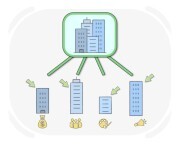
chápat, usuzovat

Ex: Observing the subtle cues in the conversation, she could gather that her colleague was feeling uneasy about the upcoming changes in the project. 
department
department
[Podstatné jméno]

a part of an organization such as a university, government, etc. that deals with a particular task

oddělení
oddělení

Ex: He's applying for a job in the legal department of that firm. 
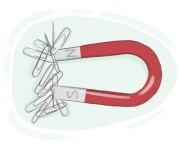
to attract
to attract
[sloveso]

to interest and draw someone or something toward oneself through specific features or qualities

přitahovat, lákat

přitahovat, lákat

Ex: The vibrant colors of the flowers attracted butterflies to the garden. 
profile
profile
[Podstatné jméno]

the amount of public attention or visibility that a person, organization, or subject receives

profil, viditelnost
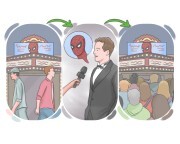
profil, viditelnost

Ex: The organization is trying to improve its international profile. 
to publicize
to publicize
[sloveso]

to draw public's attention to something by giving information about it as an act of advertisement

propagovat, zveřejnit

propagovat, zveřejnit

Ex: He publicized the concert, hoping to sell more tickets. 

Propagoval koncert v naději, že prodá více lístků.

to apply
to apply
[sloveso]

to formally request something, such as a place at a university, a job, etc.

podat přihlášku,  žádat

podat přihlášku, žádat

Ex: Students often apply to multiple universities to increase their chances of acceptance. 
presumably
presumably
[Příslovce]

used to say that the something is believed to be true based on available information or evidence

pravděpodobně, předpokládaně

pravděpodobně, předpokládaně

Ex: The project deadline was extended, presumably to allow more time for thorough research and development. 

Termín projektu byl prodloužen, pravděpodobně aby byl poskytnut více času na důkladný výzkum a vývoj.
lecturer
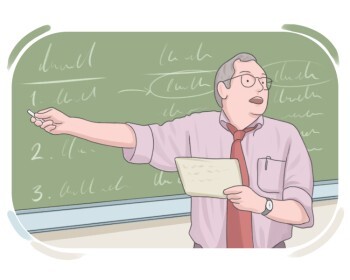
lecturer
[Podstatné jméno]

a person employed to teach students at a college or university

přednášející,  lektor

přednášející, lektor

Ex: Several lecturers attended the faculty meeting on Monday. 
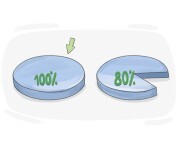
to cover
to cover
[sloveso]

to encompass or include a range of topics, issues, or situations

pokrývat, zahrnovat
pokrývat, zahrnovat

Ex: The course covers basic accounting principles. 
entirely
entirely
[Příslovce]

to the fullest or complete degree

zcela, úplně

zcela, úplně

Ex: The room was entirely empty after the move. 

Místnost byla po stěhování zcela prázdná.

to [be] up to  {sb}

to be someone's responsibility or decision
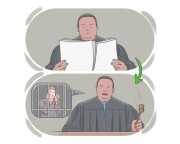
Ex: It’s up to me to make sure the project is completed on time. 
to base on
to base on
[sloveso]

to develop something using certain facts, ideas, situations, etc.

založit něco na určitých faktech nebo myšlenkách, použít něco jako základ pro další rozvoj

založit něco na určitých faktech nebo myšlenkách, použít něco jako základ pro další rozvoj

Ex: The report is based on extensive research in the field. 

Zpráva je založena na rozsáhlém výzkumu v této oblasti.

lead-in
lead-in
[Podstatné jméno]

an introductory section or opening statement that sets up or provides context for what follows

úvod, předmluva

úvod, předmluva

Ex: The lead-in in that novel made it clear the story would be suspenseful. 

Úvod v tom románu jasně naznačil, že příběh bude plný napětí.

campaigning
campaigning
[Podstatné jméno]

the campaign of a candidate to be elected

volební kampaň

volební kampaň

reform
reform
[Podstatné jméno]

a campaign or organized effort to correct wrongdoing, abuses, or malpractices

reforma, reformní kampaň

reforma, reformní kampaň

Ex: The activists launched a reform to improve labor rights. 
to link
to link
[sloveso]

to establish a relationship or association between two things

propojit, spojit
propojit, spojit

Ex: The researcher aims to link genetic factors with susceptibility to certain diseases. 
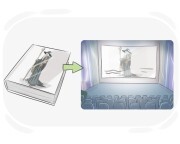
to adapt
to adapt
[sloveso]

to change a book, play, or other work so that it can be presented in a different medium

adaptovat,  upravit

adaptovat, upravit

Ex: The producers hired a writer to adapt the story for the screen. 
straight away
straight away
[Příslovce]

without any delay

okamžitě, ihned

okamžitě, ihned

Ex: He answered the phone straight away. 

Telefon zvedl okamžitě.

quotation
quotation
[Podstatné jméno]

a sentence or group of words from a movie, book, etc. that someone else repeats

citát
citát

Ex: She shared a motivational quotation from a well-known author on social media. 
to illustrate
to illustrate
[sloveso]

to explain or show the meaning of something using examples, pictures, etc.

ilustrovat, vysvětlit na příkladech

ilustrovat, vysvětlit na příkladech

Ex: The teacher illustrated the concept with a simple diagram on the board. 
touring
touring
[Přídavné jméno]

traveling to various locations to perform, compete, or be seen, typically as part of a planned event or series

turné, cestující

turné, cestující

Ex: The touring band played at different venues across the country. 

Turnéový kapela hrála na různých místech po celé zemi.

amusement
amusement
[Podstatné jméno]

an activity that is diverting and that holds the attention

zábava,  rozptýlení

zábava, rozptýlení

to draw on
to draw on
[sloveso]

to use information, knowledge, or past experience to aid in performing a task or achieving a goal

čerpat z, využívat

čerpat z, využívat

Ex: During the exam, students were encouraged to draw on their knowledge of the subject matter. 

Během zkoušky byli studenti povzbuzováni, aby čerpali ze svých znalostí předmětu.

theme
theme
[Podstatné jméno]

a recurring element that is the main idea or subject in a literary or artistic piece

téma, motiv

téma, motiv

Ex: The story develops its central theme through several characters. 
selfishness
selfishness
[Podstatné jméno]

the quality or state of being excessively focused on oneself, one's own interests, or needs without regard for others.

sobeckost, egoismus

sobeckost, egoismus

Ex: The child’s selfishness was a cause of tension within the family. 

Sobeckost dítěte byla příčinou napětí v rodině.

social justice
social justice
[Podstatné jméno]

the fair treatment of all people in society, ensuring equal access to opportunities, rights, and resources, regardless of background or status

sociální spravedlnost, sociální rovnost

sociální spravedlnost, sociální rovnost

Ex: They are campaigning for social justice by pushing for reforms in housing and employment policies. 

Vedou kampaň za sociální spravedlnost tím, že tlačí na reformy v bytové a zaměstnanecké politice.

satire
satire
[Podstatné jméno]

humor, irony, ridicule, or sarcasm used to expose or criticize the faults and shortcomings of a person, government, etc.

satira, ironie

satira, ironie

Ex: Satire can be a powerful tool for social commentary and change. 

Satura může být mocným nástrojem pro sociální komentář a změnu.

heroine
heroine
[Podstatné jméno]

the main female character in a story, book, film, etc., typically known for great qualities

hrdinka, ženská hlavní postava

hrdinka, ženská hlavní postava

Ex: The story is about a heroine who fights evil with her magical powers. 

Příběh je o hrdince, která bojuje proti zlu svými magickými silami.

guardian
guardian
[Podstatné jméno]

a person who protects or takes care of someone or something, especially as a particular responsibility

poručník,  strážce

poručník, strážce

Ex: The museum acts as a guardian of many important cultural treasures. 
debtor
debtor
[Podstatné jméno]

a person, organization, or country that owes money to another party

dlužník,  dlužnice

dlužník, dlužnice

Ex: A debtor may face legal action if the money remains unpaid. 
to inherit
to inherit
[sloveso]

to receive money, property, or possessions from someone after they die

zdědit, dostat

zdědit, dostat

Ex: He inherited enough money to pay off his debts. 
fortune
fortune
[Podstatné jméno]

a very large sum of money

jmění, bohatství

jmění, bohatství

Ex: He inherited a fortune from his grandparents and became one of the wealthiest individuals in the country. 
primarily
primarily
[Příslovce]

in the first place

především, v první řadě

především, v první řadě

Ex: Primarily, she objected to the plan because it violated company policy. 

Hlavně, namítala proti plánu, protože porušoval firemní politiku.

open day
open day
[Podstatné jméno]

an occasion when a school, college, workplace, or other organization invites the public to visit and learn more about it

den otevřených dveří, informační den

den otevřených dveří, informační den

Ex: The college held an open day for new students and their families. 

Vysoká škola uspořádala den otevřených dveří pro nové studenty a jejich rodiny.

LanGeek
Stáhnout aplikaci LanGeek