
Bokabularyo para sa IELTS Academic (Score 8-9) - Mga Opinyon
Dito, matututunan mo ang ilang mga salitang Ingles na may kaugnayan sa Mga Opinyon na kinakailangan para sa akademikong pagsusulit sa IELTS.
Repasuhin
Flashcards
mga anyo
Pagbaybay
Pagsusulit


to give or have opinions that differ from those officially or commonly accepted

tumutol, hindi sumang-ayon
Kilala siya na madalas tumutol sa mga pagpupulong, laging hinahamon ang mga laganap na pananaw.
(of views, opinions, etc.) to be different from each other
mag-iba, magkakaiba
Sa panahon ng debate, ang mga pananaw ng mga kandidato ay nagsimulang magkaiba sa mga pangunahing patakaran sa ekonomiya.
to show one's disagreement or disapproval of an online post or comment by clicking on a specific icon
bumoto ng hindi sang-ayon, downvote
Hinihikayat ang mga user na iboto nang pababa ang nilalamang lumalabag sa mga alituntunin ng komunidad o itinuturing na mababang kalidad.
to strongly argue, disapprove, or disagree with someone or something
pagsabihan, matinding pagtutol
Kasalukuyan siyang mainit na nakikipagtalo sa kinatawan ng serbisyo sa customer tungkol sa mahinang kalidad ng produkto.
to disagree or deny that something is true
tutulan, tanggi
Walang sinuman ang makakapagtutol sa ebidensyang iniharap ng pag-uusig; ito ay hindi matututulan.
to express disapproval of something by making a noise in the throat
umungol, humalakhak
Malakas na humagulgol ang propesor nang magmungkahi ang estudyante ng isang kontrobersyal na teorya sa panahon ng lektura.
to argue over unimportant things or to complain about them
makipagtalo sa maliliit na bagay, magreklamo tungkol sa maliliit na bagay
Sa halip na tumutok sa pangunahing isyu, pinili niyang magtalo tungkol sa maliliit na detalye.
to not support and be against something or someone
tutulan, hindi sang-ayon
Hindi sinang-ayunan ng alkalde ang paggamit ng karahasan bilang paraan ng protesta, at hinikayat ang mga mamamayan na humanap ng mapayapang alternatibo.

to disapprove of or have a negative opinion about something, particularly due to being improper or unacceptable
hindi aprubahan, tingnan nang may pagkadisgusto
Mahalaga sa isang propesyonal na setting na hindi sang-ayon sa diskriminasyon na pag-uugali.
to dismiss or reject something as false
tanggihan, itinatwa
Itinatuwa ng kumpanya ang mga paratang na hindi ligtas ang kanilang mga produkto, na nagpapakita ng ebidensya sa kabaligtaran.

to strongly and harshly criticize someone or something
pagsabihan, mabigat na pumuna
Sinita ng manager ang empleyado dahil sa patuloy na pagkabigo sa pagtugon sa mga deadline.

to intentionally make harmful statements to damage a person or thing's worth or reputation
manirang-puri, sirain ang reputasyon
Ang tabloid na pahayagan ay patuloy na niraos ang sikat na tao, nagkakalat ng mga maling tsismis upang sirain ang kanilang reputasyon.
to behave in a way that lowers the dignity or respect of oneself or others
hamakin, bumaba ng dangal
Binababa niya ang kanyang sarili sa pamamagitan ng pagsalita nang bastos sa waiter.

to complain or criticize persistently, often about trivial issues
magreklamo, pintasin nang pintasin
Ang mga kritiko ay tila walang katapusang nagrereklamo tungkol sa mga butas sa plot na hindi napapansin ng iba.

to express dissatisfaction or injustice about something
magreklamo, dumadaing
Sa kabila ng mga pagpapabuti, patuloy na nagreklamo ang mga empleyado tungkol sa mga kondisyon sa trabaho.
to find fault or criticize small, insignificant details
maghanap ng maliit na detalye, pumuna ng maliliit na bagay
Madalas siyang maghanap ng mali sa mga pagkakamali sa gramatika sa mga nakasulat na dokumento.

to complain or whine persistently and often about trivial matters
magreklamo, dumadaing
Madalas siyang magreklamo tungkol sa panahon, kahit ano pa man ito.

to criticize someone angrily and harshly
murahin, kagalitan
Pinagalitan ng manager ang empleyado dahil sa paulit-ulit na mga pagkakamali sa ulat ng proyekto.

to express mild disapproval, often in a gentle or corrective manner
pagalitan, sabihan
Sinaway ng ina ang kanyang anak dahil hindi ito nagcoat sa isang malamig na araw.

to strongly and angrily criticize or complain about something
pintasan nang malakas, magreklamo nang masakit
Hindi nasisiyahan sa serbisyo, nagpasya ang kliyente na magalit sa manager ng restawran.

to give a strong, negative review or opinion about something
pintasan, batikusin
Ang pagsusuri ng produkto sa magasin ay hinamak ang pinakabagong gadget, na binibigyang-diin ang maraming teknikal na pagkukulang nito.
to severely criticize, often with the intention of correcting someone's behavior or actions
pagsabihan, kagalitan
Sinaway ng guro ang estudyante dahil sa paggambala sa klase sa pamamagitan ng maingay na pag-uugali.
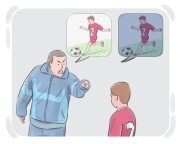
to criticize someone for doing or saying something that one believes to be wrong
pagsabihan, kagalitan
Sinaway ng guro ang estudyante sa pagdaraya sa pagsusulit.
to identify or point out flaws, errors, or shortcomings in someone or something
to show one's agreement or approval of an online post or comment by clicking on a specific icon
bumoto para sa, aprubahan
Hinihikayat ang mga user na mag-upvote ng content na kanilang nakikitang valuable o interesting para madagdagan ang visibility nito.

to agree to something such as a request, proposal, demand, etc.
pumayag, sumang-ayon
Ang komite ay pumayag sa kahilingan ng empleyado para sa isang flexible na iskedyul ng trabaho dahil sa personal na mga dahilan.
to reluctantly accept something without protest
pumayag nang hindi masaya, tumanggap nang walang pagtutol
Ang estudyante, hindi makumbinsi ang guro sa kabaligtaran, pumayag at tinanggap ang mas mababang marka sa takdang-aralin.

to surrender after negotiation or when facing overwhelming pressure
sumuko, magpadaig
Sa wakas ay sumuko ang hukbo matapos ang ilang linggo ng matinding labanan.
to agree and not oppose to something that one generally finds unacceptable or unpleasant
tiisin, aprubahan
Sa kabila ng kanyang personal na pag-aatubili, nagpasya siyang tanggapin ang bagong patakaran upang mapanatili ang pagkakaisa sa loob ng koponan.
to accept something, usually after some resistance
pumayag, lumambot
Matapos ang maraming panghihikayat, ang manager ay nagbigay at binigyan ang koponan ng isang karagdagang araw na pahinga.
to agree to something, such as a suggestion, request, etc.
pumayag, sumang-ayon
Sa panahon ng pulong, hiniling sa mga miyembro ng komite na pumayag sa mga iminungkahing pagbabago sa plano ng proyekto.
to go against an argument or statement
sumalungat, laban sa
Ang kanyang alibi ay sinalungat ng ebidensyang video na naglalagay sa kanya sa lugar ng krimen.

to form an idea or concept in the mind by combining existing ideas or information
konseptuwalisahin, bumuo ng konsepto
Nagawang konseptuwalisahin ng artista ang isang natatanging painting sa pamamagitan ng paghahalo ng iba't ibang impluwensyang artistiko.
