
Vocabulario para IELTS Academic (Puntuación 8-9) - Opiniones
Aquí, aprenderás algunas palabras en inglés relacionadas con Opiniones que son necesarias para el examen académico IELTS.
Revisión
Tarjetas de memoria
formas
Ortografía
Cuestionario


to give or have opinions that differ from those officially or commonly accepted

disentir
Es importante para una democracia saludable permitir a los ciudadanos disentir libremente y expresar sus opiniones.
(of views, opinions, etc.) to be different from each other
divergir
Los resultados de la encuesta indicaron que las opiniones públicas sobre el tema tendían a divergir.
to show one's disagreement or disapproval of an online post or comment by clicking on a specific icon
votar en contra, downvotear
La comunidad tiende a downvotear las publicaciones que son irrelevantes, ofensivas o contienen desinformación.
to strongly argue, disapprove, or disagree with someone or something
protestar
Mañana, voy a protestar con mi casero por el aumento repentino del alquiler.
to disagree or deny that something is true
negar
Es difícil negar el impacto del cambio climático en nuestro medio ambiente.
to express disapproval of something by making a noise in the throat
mostrar desacuerdo
El alcalde refunfuñó ante la propuesta de subir los impuestos, indicando su fuerte oposición.
to argue over unimportant things or to complain about them
poner pegas, hacer objeciones de poca monta
Ella no quería discutir sobre el costo; solo quería que el proyecto se completara a tiempo.
to not support and be against something or someone
desaprobar
El profesor desaprobó el engaño en cualquier forma y enfatizó la importancia de la integridad académica.

to disapprove of or have a negative opinion about something, particularly due to being improper or unacceptable
desaprobar, mal ver
Su familia tiende a desaprobar que salga con alguien mucho mayor que ella.
to dismiss or reject something as false
repudiar
La empresa repudió las acusaciones de prácticas comerciales poco éticas, afirmando que eran infundadas.

to strongly and harshly criticize someone or something
castigar
Descontento con la calidad del producto, el cliente criticó duramente a la empresa en la reseña en línea.

to intentionally make harmful statements to damage a person or thing's worth or reputation
denigrar
En una discusión acalorada, ella denigró a su compañero de trabajo, haciendo acusaciones falsas para dañar su reputación profesional.
to behave in a way that lowers the dignity or respect of oneself or others
degradar
Deja de menospreciarte; mereces más crédito por tu arduo trabajo.

to complain or criticize persistently, often about trivial issues
criticar, quejarse
En la reunión de mañana, espero que nadie critique nuevamente los errores tipográficos en el informe.

to express dissatisfaction or injustice about something
quejarse, refunfuñar
Los estudiantes comenzaron a quejarse cuando se enteraron del aumento en las tareas.
to find fault or criticize small, insignificant details
buscarle tres pies al gato, criticar minucias
No critiques cada decisión; a veces, está bien seguir la corriente.

to complain or whine persistently and often about trivial matters
quejarse, refunfuñar
El cliente continuó quejándose del servicio, a pesar de los esfuerzos para resolver los problemas.

to criticize someone angrily and harshly
reprender
El entrenador reprendió al equipo por su falta de esfuerzo durante el juego crucial.

to express mild disapproval, often in a gentle or corrective manner
reprender
El entrenador reprendió al equipo por su falta de trabajo en equipo durante el partido crucial.
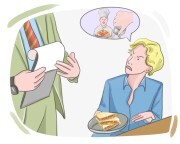
to strongly and angrily criticize or complain about something
clamar
El empleado descontento pasó la reunión quejándose amargamente de las políticas de la empresa.

to give a strong, negative review or opinion about something
destrozar, machacar
La reseña del producto en la revista destrozó el último gadget, destacando sus numerosos fallos técnicos.
to severely criticize, often with the intention of correcting someone's behavior or actions
reprender
El entrenador reprendió al equipo por su falta de esfuerzo durante el partido crucial.
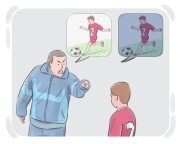
to criticize someone for doing or saying something that one believes to be wrong
reprender
Descontento con el servicio, el cliente reprendió al camarero por los errores en el pedido.
to identify or point out flaws, errors, or shortcomings in someone or something
to show one's agreement or approval of an online post or comment by clicking on a specific icon
dar un voto positivo
La comunidad tiende a upvotear publicaciones que son informativas, bien escritas o entretenidas.

to agree to something such as a request, proposal, demand, etc.
acceder a
El comité accedió a la solicitud del empleado de un horario de trabajo flexible por razones personales.
to reluctantly accept something without protest
consentir
A pesar de sus reservas, decidió acceder a sus demandas para evitar conflictos.

to surrender after negotiation or when facing overwhelming pressure
capitular, rendirse
La empresa capituló ante las demandas del sindicato para evitar una huelga.
to agree and not oppose to something that one generally finds unacceptable or unpleasant
consentir, permitir
El comité no estaba dispuesto a consentir más retrasos en el cronograma del proyecto.
to accept something, usually after some resistance
ceder, ablandarse
La empresa finalmente cedió y decidió bajar sus precios en respuesta a los comentarios de los clientes.
to agree to something, such as a suggestion, request, etc.
consentir, asentir
Como una forma de cortesía, los participantes a menudo asienten asintiendo con la cabeza o dando un acuerdo verbal durante las discusiones.
to go against an argument or statement
contravenir
Los resultados de las pruebas contradijeron las afirmaciones del fabricante sobre la eficacia del producto.

to form an idea or concept in the mind by combining existing ideas or information
conceptualizar, formar un concepto
En el proceso de diseño, los arquitectos conceptualizaron un edificio moderno que integraba funcionalidad y estética.
