
pattern

Vocabulary for IELTS Academic (Band 8-9) - Opinions

Here, you will learn some English words related to Opinions that are necessary for the Academic IELTS exam.

Review

Flashcards

Forms

Spelling

Quiz

Start learning
Vocabulary for Academic IELTS (8)
to dissent

to give or have opinions that differ from those officially or commonly accepted

Ex: She was known to often dissent during meetings, always challenging the prevailing views. 
Close
Sign in
to diverge

(of views, opinions, etc.) to be different from each other

Ex: During the debate, the candidates' views began to diverge on key economic policies. 
Close
Sign in
to downvote

to show one's disagreement or disapproval of an online post or comment by clicking on a specific icon

Ex: Users are encouraged to downvote content that violates community guidelines or is deemed low quality. 
Close
Sign in
to expostulate

to strongly argue, disapprove, or disagree with someone or something

Ex: Yesterday, I expostulated with my colleague about their unprofessional behavior. 
Close
Sign in
to gainsay

to disagree or deny that something is true

Ex: No one could gainsay the evidence presented by the prosecution; it was indisputable. 
Close
Sign in
to harrumph

‌to express disapproval of something by making a noise in the throat

Ex: The professor harrumphed loudly when the student suggested a controversial theory during the lecture. 
Close
Sign in
to quibble

to argue over unimportant things or to complain about them

Ex: Instead of focusing on the main issue, he chose to quibble over minor details. 
Close
Sign in
to deprecate

to not support and be against something or someone

Ex: The mayor deprecated the use of violence as a means of protest, urging citizens to seek peaceful alternatives. 
Close
Sign in
to frown on

to disapprove of or have a negative opinion about something, particularly due to being improper or unacceptable

Ex: In their workplace, any form of socializing beyond work-related matters is frowned on. 
Close
Sign in
to repudiate

to dismiss or reject something as false

Ex: The company repudiated the claims that their products were unsafe, presenting evidence to the contrary. 
Close
Sign in
to castigate

to strongly and harshly criticize someone or something

Ex: The manager castigated the employee for consistently failing to meet deadlines. 
Close
Sign in
to denigrate

to intentionally make harmful statements to damage a person or thing's worth or reputation

Ex: The tabloid newspaper consistently denigrated the celebrity, spreading false rumors to tarnish their reputation. 
Close
Sign in
to demean
to demean
[Verb]

to behave in a way that lowers the dignity or respect of oneself or others

Ex: He demeaned himself by speaking rudely to the waiter. 
Close
Sign in
to carp
to carp
[Verb]

to complain or criticize persistently, often about trivial issues

Ex: Jane was always carping about her coworkers' minor mistakes in the past. 
Close
Sign in
to grouse
to grouse
[Verb]

to express dissatisfaction or injustice about something

Ex: Despite the improvements, employees continued to grouse about the working conditions. 
Close
Sign in
to nitpick

to find fault or criticize small, insignificant details

Ex: She tends to nitpick about grammar errors in written documents. 
Close
Sign in
to kvetch
to kvetch
[Verb]

to complain or whine persistently and often about trivial matters
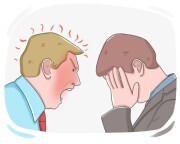
Ex: She tends to kvetch about the weather, no matter what it's like. 
Close
Sign in
to berate
to berate
[Verb]

to criticize someone angrily and harshly

Ex: The manager berated the employee for the repeated mistakes in the project report. 
Close
Sign in
to chide
to chide
[Verb]

to express mild disapproval, often in a gentle or corrective manner
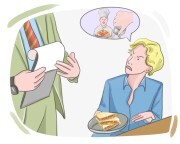
Ex: The teacher chided the student for talking loudly during the exam. 
Close
Sign in
to rail
to rail
[Verb]

to strongly and angrily criticize or complain about something
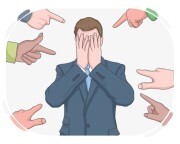
Ex: Despite the improvements, the customer continued to rail about the service quality. 
Close
Sign in
to pan
to pan
[Verb]

to give a strong, negative review or opinion about something

Ex: The movie critic panned the new film, citing poor acting and a weak storyline. 
Close
Sign in
to chastise

to severely criticize, often with the intention of correcting someone's behavior or actions
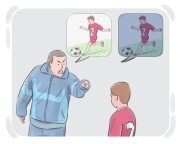
Ex: The teacher chastised the student for disrupting the class with loud behavior. 
Close
Sign in
to upbraid

to criticize someone for doing or saying something that one believes to be wrong

Ex: The teacher upbraided the student for cheating on the exam. 
Close
Sign in
to [find] fault with {sb/sth}

to identify or point out flaws, errors, or shortcomings in someone or something

Ex: Instead of appreciating the effort her coworker put into the project, Jane constantly finds fault with the way he organized the data. 
Close
Sign in
to upvote
to upvote
[Verb]

to show one's agreement or approval of an online post or comment by clicking on a specific icon

Ex: Users are encouraged to upvote content that they find valuable or interesting to increase its visibility. 
Close
Sign in
to acquiesce

to reluctantly accept something without protest

Ex: The student, unable to convince the teacher otherwise, acquiesced and accepted the lower grade on the assignment. 
Close
Sign in
to capitulate

to surrender after negotiation or when facing overwhelming pressure

Ex: The army finally capitulated after weeks of intense fighting. 
Close
Sign in
to countenance

to agree and not oppose to something that one generally finds unacceptable or unpleasant

Ex: Despite his personal reservations, he decided to countenance the new policy to maintain harmony within the team. 
Close
Sign in
to relent
to relent
[Verb]

to accept something, usually after some resistance

Ex: After much persuasion, the manager relented and granted the team an extra day off. 
Close
Sign in
to assent
to assent
[Verb]

to agree to something, such as a suggestion, request, etc.

Ex: During the meeting, members of the committee were asked to assent to the proposed changes in the project plan. 
Close
Sign in
to contravene

to go against an argument or statement

Ex: The evidence clearly contravenes the defendant's testimony. 
Close
Sign in
to conceptualize

to form an idea or concept in the mind by combining existing ideas or information

Ex: The artist was able to conceptualize a unique painting by blending various artistic influences. 
Close
Sign in
LanGeek
Download LanGeek app
