
Le livre Headway - Intermédiaire Supérieur - Unité 2
Ici, vous trouverez le vocabulaire de l'Unité 2 du manuel Headway Upper Intermediate, comme "arrangement", "make off", "litter", etc.
Réviser
Flashcards
formes
Orthographe
Quiz


to try to do something as well as one is capable of

faire de son mieux, donner le meilleur de soi
Elle a fait de son mieux pour garder tout le monde calme pendant la crise.
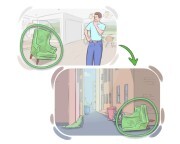
to stop using or having something
cesser d'utiliser ou d'avoir quelque chose, supprimer ou abolir quelque chose
Le gouvernement a prévu de mettre fin aux réglementations obsolètes qui entravaient la croissance économique.

to create a memorable or lasting effect on someone or something
a mutual understanding or agreement established between people
accord
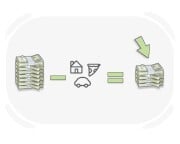
the sum of money that is gained after all expenses and taxes are paid
bénéfice

the act or process of no longer having someone or something
perte, mort

a careful and systematic study of a subject to discover new facts or information about it
recherche
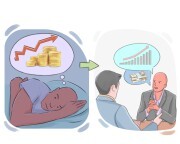
doing something that someone has planned to, often when they find the right time
passer à l'action, faire son coup
Il lui plaisait depuis des mois, mais elle n'est passée à l'action que lorsqu'il est redevenu célibataire.
to perform a helpful or kind act for someone, typically without expecting something in return
to try to do or accomplish something, particularly something difficult
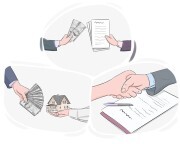
the activity of providing services or products in exchange for money
commerce, business

to have a very strong and noticeable effect on someone or something
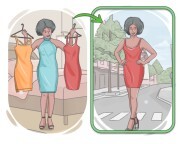
a choice or judgment that is made after adequate consideration or thought
jugement
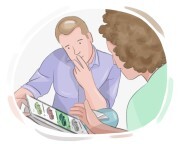
the act of putting an idea or plan forward for someone to think about
suggestion

the certificate that is given to university or college students upon successful completion of their course
diplôme, licence, maîtrise
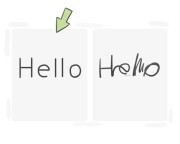
easy to understand
clair
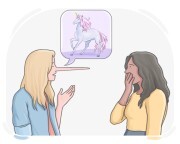
to create a false or fictional story or information
inventer, fabriquer
L'écrivain a inventé un roman fantastique sur les dragons et les elfes.
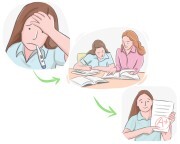
to do something in order to replace something lost or fix something damaged
compenser, réparer
Aucune somme d'argent ne peut compenser le temps que nous avons perdu.
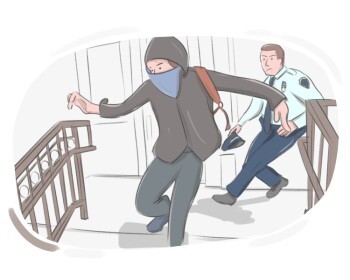
to leave quickly, often in order to escape or avoid someone or something
s'enfuir rapidement, partir pour échapper à quelqu'un ou quelque chose
Ils ont réussi à filer sans payer l'addition.
used to mean that one can go on or manage without someone or something
used to mean that one benefits from having someone or something present or available to one
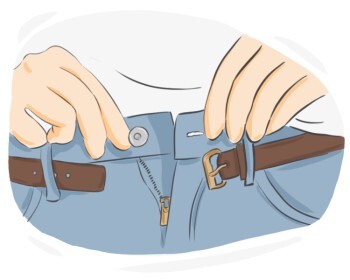
to fasten, button, zip, or otherwise secure something, often related to clothing or accessories
attacher, fermer un vêtement
Avant de sortir, il a pris soin de boutonner les boutons de son manteau pour rester au chaud.
unwanted material or things that are thrown away because they are no longer needed
déchets, ordures
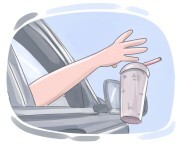
waste such as bottles, papers, etc. that people throw on a sidewalk, park, or other public place
déchets, ordures
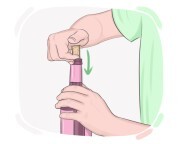
to make it so that nothing can move through something
boucher, obstruer
L'excès de cheveux a tendance à boucher le drain de la douche avec le temps.
to flood or cover something with water, making it hard to use or move through
inonder, submerger
Les vagues ont inondé le petit bateau pendant la tempête.
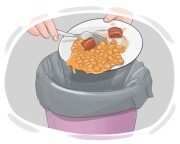
things such as household materials that have no use anymore
ordures, déchets
La rue était pleine de déchets après le festival.
the scattered pieces of waste, remains, or broken objects, often left after destruction or an accident
débris, gravats
Des morceaux de verre et de bois formaient des tas de débris autour du site.
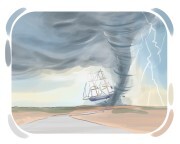
to move in a twisting or whirling motion, creating a pattern of circular or spiral motion
tourbillonner, virevolter
Les couleurs de peinture tourbillonnent ensemble sur la palette alors que l'artiste se prépare à créer.
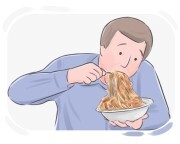
to eat something quickly and greedily, often making loud and rapid swallowing sounds
engloutir, bâfrer
Après une longue journée de jeûne, il n'a pas pu résister à engloutir son dîner.
a system in nature where animals and plants depend on each other for food
chaîne alimentaire, réseau trophique
Les petits insectes sont une partie importante de la chaîne alimentaire.
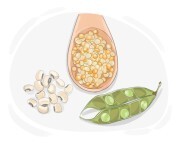
a very small hard particle of a substance
grain, grain de sable
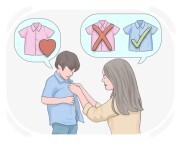
to force someone to do what they do not want
imposer, infliger
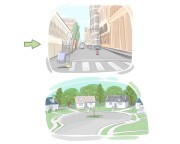
without end or limits in extent, amount, or space
infini
L'océan s'étendait devant eux, apparaissant infini alors qu'il rencontrait l'horizon.
made to be used once and then thrown away
à usage unique, jetable
Elle a apporté un sac réutilisable pour éviter les sacs à usage unique.
discarded or is intended to be thrown away after use
jetable, à usage unique
Il a ramassé un emballage jetable du banc du parc.
said to express agreement to something, usually reluctantly
bon
used as a filler phrase to pause or fill gaps in speech
tu sais, vous savez
Ça a été une semaine difficile, et, tu sais, parfois on a l'impression que tout s'accumule.
used as a filler word or hesitation marker
genre
used in speech to provide emphasis, or to signal a pause in speech while the speaker gathers their thoughts
Je veux dire, Enfin
Je veux dire, qui n'aime pas une bonne part de pizza ?
used to draw attention to a point or to emphasize a statement or explanation
tu vois, vous voyez
Vous voyez, le problème est que nous n'avons pas suivi les instructions correctement.
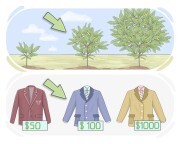
in some ways or to some degree
plutôt, en quelque sorte, un peu, à moitié, assez
to a degree or extent that is unclear
à moitié, en quelque sorte
Il est un peu intéressé par le nouveau projet, mais il ne s'est pas encore pleinement engagé.
used when ending a conversation, or changing, or returning to a subject
bref, enfin, bon
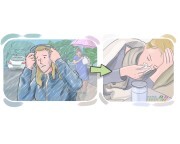
used to introduce a consequence or result of the preceding clause
donc, alors
Elle n'avait pas mangé de la journée, donc elle se sentait étourdie.

a bright bluish-green color
turquoise
Les murs ont été peints d'un turquoise apaisant pour imiter la mer.
