pattern

Książka Headway - Średnio zaawansowany wyższy - Jednostka 2

Tutaj znajdziesz słownictwo z Unitu 2 w podręczniku Headway Upper Intermediate, takie jak "arrangement", "make off", "litter" itp.

Przegląd

Fiszki

formy

Pisownia

Test

Zacznij naukę
Headway - Upper Intermediate
to [do] {one's}  best

to try to do something as well as one is capable of

robić, dać z siebie wszystko

robić, dać z siebie wszystko

Ex: He does his best with the resources he has. 

Robi, co w jego mocy, korzystając z dostępnych zasobów.
to do away with
to do away with
[Czasownik]

to stop using or having something

przestać czegoś używać lub coś posiadać, zlikwidować lub znieść coś

przestać czegoś używać lub coś posiadać, zlikwidować lub znieść coś

Ex: The organization aimed to do away with inefficient processes to improve productivity. 

Organizacja miała na celu wyeliminowanie nieefektywnych procesów w celu poprawy wydajności.

to [make] an impression

to create a memorable or lasting effect on someone or something

Ex: First dates are an opportunity to make a good impression and build a connection. 
arrangement
arrangement
[Rzeczownik]

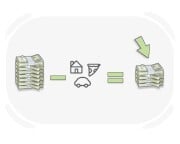
a mutual understanding or agreement established between people

ustalenie, porozumienie
ustalenie, porozumienie

Ex: They made an arrangement to meet at the café later. 
profit
profit
[Rzeczownik]

the sum of money that is gained after all expenses and taxes are paid

zysk,  profit

zysk, profit

Ex: The company reported a significant profit for the fiscal year, reflecting efficient operations and strong sales. 
loss
loss
[Rzeczownik]

the act or process of no longer having someone or something

utrata, strata

utrata, strata

Ex: Loss of confidence affected her performance. 
research
research
[Rzeczownik]

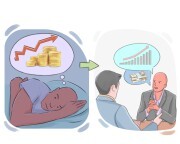
a careful and systematic study of a subject to discover new facts or information about it

badania
badania

Ex: Mark spent hours in the library doing research for his history paper. 
to [make] {one's} move

doing something that someone has planned to, often when they find the right time

wykonać swój ruch, przejść do działania

wykonać swój ruch, przejść do działania

Ex: Don't rush; make your move when the time feels right. 

Nie spiesz się; wykonaj ruch, gdy poczujesz, że to właściwy moment.

to [do] {sb} a (favor|solid)

to perform a helpful or kind act for someone, typically without expecting something in return

Ex: Doing someone a favor can be as simple as listening when they need support. 
to [make] an effort

to try to do or accomplish something, particularly something difficult

Ex: He made an effort to improve his fitness by going to the gym regularly. 
business
business
[Rzeczownik]

the activity of providing services or products in exchange for money

biznes, przedsiębiorstwo

biznes, przedsiębiorstwo

Ex: Her passion for photography led her to start a business. 
to [make] (a|the) difference

to have a very strong and noticeable effect on someone or something
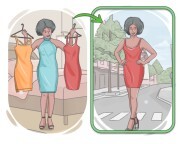
Ex: The volunteers who helped rebuild the school after the earthquake are making a world of difference in the lives of the students and their families. 
decision
decision
[Rzeczownik]

a choice or judgment that is made after adequate consideration or thought

decyzja, wybór
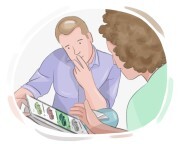
decyzja, wybór

Ex: After much deliberation, she finally made the decision to pursue a career in medicine. 
suggestion
suggestion
[Rzeczownik]

the act of putting an idea or plan forward for someone to think about

sugestia,  propozycja

sugestia, propozycja

Ex: His suggestion to streamline the company's workflow was well-received by the team. 
degree
degree
[Rzeczownik]

the certificate that is given to university or college students upon successful completion of their course

stopień
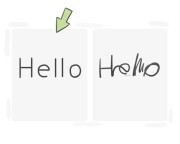
stopień

Ex: After years of hard work and dedication, she finally received her bachelor's degree in biology. 
clear
clear
[przymiotnik]

easy to understand

jasny, zrozumiały

jasny, zrozumiały

Ex: His instructions were clear, allowing everyone to follow them without confusion. 
to make up
to make up
[Czasownik]

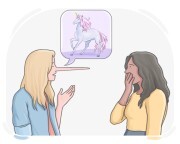
to create a false or fictional story or information

zmyślić, sfabrykować

zmyślić, sfabrykować

Ex: The con artist made up a fake identity to deceive people. 

Oszust wymyślił fałszywą tożsamość, aby oszukać ludzi.
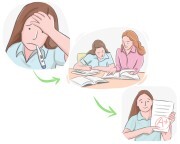
to make up for
to make up for
[Czasownik]

to do something in order to replace something lost or fix something damaged

zrekompensować, wynagrodzić

zrekompensować, wynagrodzić

Ex: The company offered free repairs to make up for the damaged products. 

Firma zaoferowała darmowe naprawy, aby zrekompensować uszkodzone produkty.
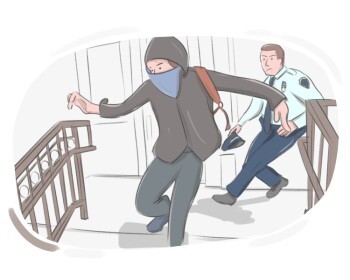
to make off
to make off
[Czasownik]

to leave quickly, often in order to escape or avoid someone or something

szybko uciec, odejść żeby uciec przed kimś lub czymś

szybko uciec, odejść żeby uciec przed kimś lub czymś

Ex: She grabbed her things and made off before the argument escalated. 

Złapała swoje rzeczy i uciekła, zanim kłótnia się zaostrzyła.

{sb} could do without {sb/sth}

used to mean that one can go on or manage without someone or something

Ex: I could do without the negative energy; I prefer to surround myself with positivity. 
{sb} could do with {sb/sth}

used to mean that one benefits from having someone or something present or available to one
Ex: After a hectic day at work, he could do with some quiet time to unwind. 
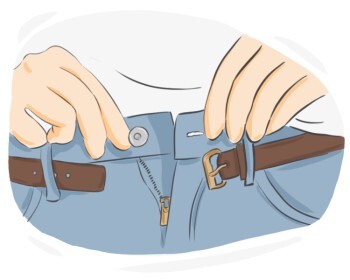
to do up
to do up
[Czasownik]

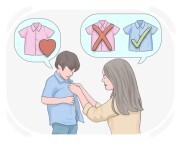
to fasten, button, zip, or otherwise secure something, often related to clothing or accessories

zapiąć, dopiąć

zapiąć, dopiąć

Ex: As the weather turned colder, it was time to do up the top button on the coat for added warmth. 

Gdy pogoda stała się chłodniejsza, nadszedł czas, aby zapiąć górny guzik płaszcza dla dodatkowego ciepła.
rubbish
rubbish
[Rzeczownik]

unwanted material or things that are thrown away because they are no longer needed

śmieci, odpady
śmieci, odpady

Ex: We cleared all the rubbish out of the garage. 
litter
litter
[Rzeczownik]

waste such as bottles, papers, etc. that people throw on a sidewalk, park, or other public place

śmieci, odpady

śmieci, odpady

Ex: The sign reads, “No litter allowed,” to keep the area clean. 

Znak głosi: "Zakaz śmiecenia", aby utrzymać teren w czystości.
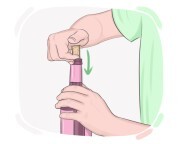
to clog
to clog
[Czasownik]

to make it so that nothing can move through something

zatykać, blokować

zatykać, blokować

Ex: A buildup of dirt and grease clogged the kitchen pipes, leading to a plumbing problem. 

Nagromadzenie brudu i tłuszczu zatkało rury kuchenne, prowadząc do problemu hydraulicznego.

to swamp
to swamp
[Czasownik]

to flood or cover something with water, making it hard to use or move through

zalewać, zatapiać

zalewać, zatapiać

Ex: Floodwaters began to swamp nearby houses. 

Wody powodziowe zaczęły zalewać pobliskie domy.
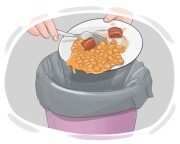
garbage
garbage
[Rzeczownik]

things such as household materials that have no use anymore

śmieci, odpady

śmieci, odpady

Ex: He complained about the pile of garbage in the alley. 

Narzekał na stos śmieci w alejce.

debris
debris
[Rzeczownik]

the scattered pieces of waste, remains, or broken objects, often left after destruction or an accident

gruz, odłamki

gruz, odłamki

Ex: Debris covered the road, making it impossible to drive. 

Gruzy pokryły drogę, uniemożliwiając jazdę.
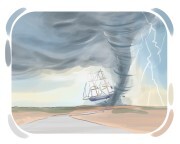
to swirl
to swirl
[Czasownik]

to move in a twisting or whirling motion, creating a pattern of circular or spiral motion

wirować, krążyć

wirować, krążyć

Ex: The dancer's skirt swirled as she spun across the stage. 

Spódnica tancerki zakręciła się, gdy wirowała przez scenę.
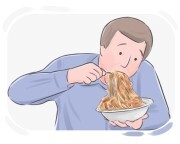
to gobble
to gobble
[Czasownik]

to eat something quickly and greedily, often making loud and rapid swallowing sounds

pożerać, wciągać

pożerać, wciągać

Ex: During the picnic, everyone gobbled sandwiches and chips. 

Podczas pikniku wszyscy pochłonęli kanapki i chipsy.

food chain
food chain
[Rzeczownik]

a system in nature where animals and plants depend on each other for food

łańcuch pokarmowy, sieć troficzna

łańcuch pokarmowy, sieć troficzna

Ex: We learned about the food chain in science class today. 

Dzisiaj na lekcji przyrody dowiedzieliśmy się o łańcuchu pokarmowym.

grain
grain
[Rzeczownik]

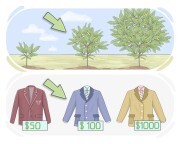
a very small hard particle of a substance

ziarno,  ziarenko
ziarno, ziarenko

Ex: The microscope revealed tiny grains of mineral in the rock. 
to impose
to impose
[Czasownik]

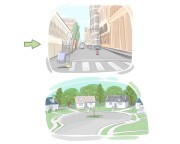
to force someone to do what they do not want

narzucać, zmuszać
narzucać, zmuszać

Ex: The authoritarian government tried to impose strict regulations on freedom of speech. 
infinite
infinite
[przymiotnik]

without end or limits in extent, amount, or space

nieskończony, bezgraniczny

nieskończony, bezgraniczny

Ex: The universe is believed to be infinite in size, with no discernible boundaries. 

Uważa się, że wszechświat jest nieskończony pod względem rozmiaru, bez dostrzegalnych granic.

single-use
single-use
[przymiotnik]

made to be used once and then thrown away

jednorazowy, do jednorazowego użytku

jednorazowy, do jednorazowego użytku

Ex: The beach was littered with single-use bottles. 

Plaża była usiana butelkami jednorazowego użytku.

throwaway
throwaway
[przymiotnik]

discarded or is intended to be thrown away after use

jednorazowy, do wyrzucenia

jednorazowy, do wyrzucenia

Ex: Throwaway items often end up polluting the environment. 

Jednorazowe przedmioty często kończą jako zanieczyszczenia środowiska.

well
well
[wykrzyknik]

said to express agreement to something, usually reluctantly

no dobrze, cóż

no dobrze, cóż

Ex: Well, I'll accept the offer this time. 
you know
you know
[wykrzyknik]

used as a filler phrase to pause or fill gaps in speech

wiesz, no wiesz

wiesz, no wiesz

Ex: It’s hard to explain, but you know, it just feels right. 

Trudno to wyjaśnić, ale wiesz, po prostu wydaje się to właściwe.

like
like
[wykrzyknik]

used as a filler word or hesitation marker

jak

jak

Ex: I was, like, so nervous before the exam. 
I mean
I mean
[wykrzyknik]

used in speech to provide emphasis, or to signal a pause in speech while the speaker gathers their thoughts

To znaczy, Chodzi mi o to

To znaczy, Chodzi mi o to

Ex: I mean, it’s not  like I did it on purpose. 

To znaczy, to nie tak, że zrobiłem to specjalnie.

you see
you see
[wykrzyknik]

used to draw attention to a point or to emphasize a statement or explanation

widzisz, rozumiesz

widzisz, rozumiesz

Ex: You see, this is why I always double-check my work. 

Widzisz, dlatego zawsze sprawdzam swoją pracę dwa razy.
kind of
kind of
[Fraza]

in some ways or to some degree

Ex: The movie was kind of funny, but it didn't make me laugh as much as I expected. 
sort of {~noun}
sort of
[przysłówek]

to a degree or extent that is unclear

trochę, w pewnym sensie

trochę, w pewnym sensie

Ex: I sort of understand the concept, but I need more clarification on certain details. 

Trochę rozumiem koncepcję, ale potrzebuję więcej wyjaśnień dotyczących pewnych szczegółów.

anyway
anyway
[przysłówek]

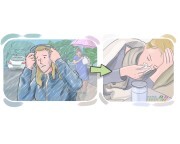
used when ending a conversation, or changing, or returning to a subject

W każdym razie, Tak czy inaczej
W każdym razie, Tak czy inaczej

Ex: Anyway, let's get back to the main topic of our discussion. 
so
so
[Spójnik]

used to introduce a consequence or result of the preceding clause

więc, zatem

więc, zatem

Ex: He lost his passport, so he missed his flight. 

Zgubił swój paszport, więc spóźnił się na swój lot.

turquoise
turquoise
[Rzeczownik]

a bright bluish-green color

turkus, zielononiebieski

turkus, zielononiebieski

Ex: Turquoise is often associated with tropical beaches and clear skies. 

Turkus jest często kojarzony z tropikalnymi plażami i czystym niebem.

LanGeek
Pobierz aplikację LanGeek