
Kniha Headway - Vyšší středně pokročilý - Jednotka 2
Zde najdete slovní zásobu z Unit 2 v učebnici Headway Upper Intermediate, jako "arrangement", "make off", "litter" atd.
Revize
Kartičky
tvary
Pravopis
Kvíz

![to [do] {one's} best](https://cdn.langeek.co/photo/43048/thumb/350?type=jpeg "to [do] {one's} best")
to try to do something as well as one is capable of

dělat, snažit se ze všech sil
Dnes dělej, co můžeš, a zbytek zlepšíme zítra.
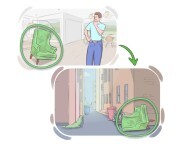
to stop using or having something
přestat něco používat nebo mít, něco zrušit nebo odstranit
V rámci úsporných opatření se společnost rozhodla zrušit některé neesenciální služby.
![to [make] an impression](/assets/img/no-pic-700w.png "to [make] an impression")
to create a memorable or lasting effect on someone or something
a mutual understanding or agreement established between people
dohoda, ujednání
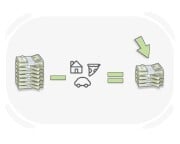
the sum of money that is gained after all expenses and taxes are paid
zisk, výnos

the act or process of no longer having someone or something
ztráta, úbytek

a careful and systematic study of a subject to discover new facts or information about it
výzkum
![to [make] {one's} move](https://cdn.langeek.co/photo/43162/thumb/350?type=jpeg "to [make] {one's} move")
doing something that someone has planned to, often when they find the right time
udělat svůj tah, přejít k akci
Všichni čekali, až ředitelka udělá svůj tah.
to perform a helpful or kind act for someone, typically without expecting something in return
to try to do or accomplish something, particularly something difficult

the activity of providing services or products in exchange for money
podnikání, firma
![to [make] (a|the) difference](https://cdn.langeek.co/photo/40411/thumb/350?type=jpeg "to [make] (a|the) difference")
to have a very strong and noticeable effect on someone or something
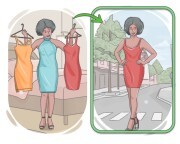
a choice or judgment that is made after adequate consideration or thought
rozhodnutí, volba
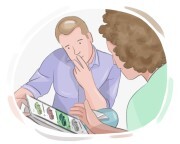
the act of putting an idea or plan forward for someone to think about
návrh, doporučení

the certificate that is given to university or college students upon successful completion of their course
titul
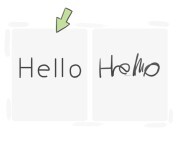
easy to understand
jasný, srozumitelný
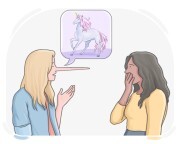
to create a false or fictional story or information
vymyslet si, smyšleně vytvořit
Dítě vymyslelo příběh o svém imaginárním příteli.
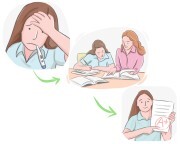
to do something in order to replace something lost or fix something damaged
vynahradit, napravit
Dobrá omluva může chybu napravit, ale nevymaže ji.
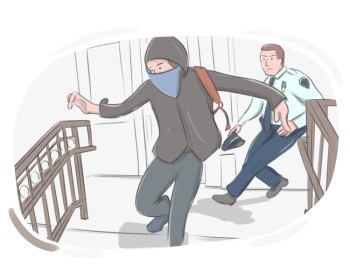
to leave quickly, often in order to escape or avoid someone or something
rychle utéct, odejít aby unikl někomu nebo něčemu
Pokusil se utéci s dokumenty, ale byl chycen u dveří.
used to mean that one can go on or manage without someone or something
used to mean that one benefits from having someone or something present or available to one
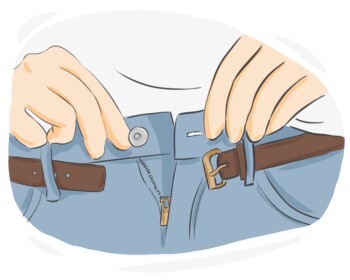
to fasten, button, zip, or otherwise secure something, often related to clothing or accessories
zapnout, zapnout oblečení
Herec rychle potřeboval zapnout manžetové knoflíky na košili, než šel na jeviště.
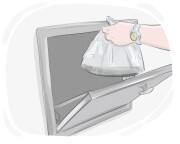
unwanted material or things that are thrown away because they are no longer needed
odpadky, odpad
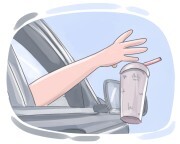
waste such as bottles, papers, etc. that people throw on a sidewalk, park, or other public place
odpadky, smetí
Město ho pokutovalo za vyhazování odpadků z okna auta.
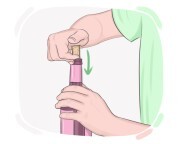
to make it so that nothing can move through something
ucpat, zablokovat
Roj hmyzu ucpal vzduchový filtr klimatizace, což ovlivnilo kvalitu vzduchu v budově.
to flood or cover something with water, making it hard to use or move through
zaplavit, potopit
Řeka tento týden zaplavila několik vesnic.
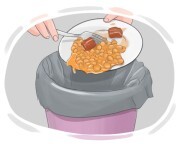
things such as household materials that have no use anymore
odpadky, odpady
Dětem bylo řečeno, aby nenechávaly své odpadky na pláži.
the scattered pieces of waste, remains, or broken objects, often left after destruction or an accident
trosky, sutiny
Hasiči opatrně přesunuli trosky, aby zabránili dalšímu zhroucení.
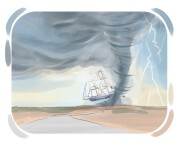
to move in a twisting or whirling motion, creating a pattern of circular or spiral motion
vířit, kroužit
Listy se točí ve větru během podzimních měsíců.
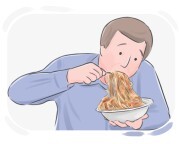
to eat something quickly and greedily, often making loud and rapid swallowing sounds
hltat, žrát
V rychlosti musela zhltnout svůj oběd před schůzkou.
a system in nature where animals and plants depend on each other for food
potravní řetězec, trofická síť
Když jeden druh zmizí, může to narušit celý potravní řetězec.
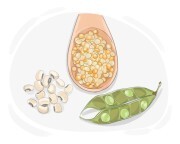
a very small hard particle of a substance
zrno, zrnko
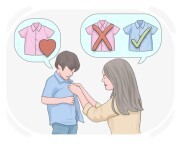
to force someone to do what they do not want
vnucovat, nutit
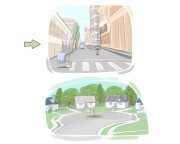
without end or limits in extent, amount, or space
nekonečný, neomezený
Věří se, že vesmír je nekonečný velikostí, bez rozpoznatelných hranic.
made to be used once and then thrown away
na jedno použití, na jedno použití a vyhození
Zakázali jednorázové tašky, aby snížili množství plastového odpadu.
discarded or is intended to be thrown away after use
na jedno použití, na vyhození
Sbíral na jedno použití plechovky, aby je recykloval za peníze.
said to express agreement to something, usually reluctantly
no dobře, nuže
used as a filler phrase to pause or fill gaps in speech
víš, však víš
Není to ten nejjednodušší člověk, se kterým by se dalo pracovat, víš.
used as a filler word or hesitation marker
jako
used in speech to provide emphasis, or to signal a pause in speech while the speaker gathers their thoughts
Myslím, Tedy
Myslím, jak by mohl někdo odolat takové nabídce?
used to draw attention to a point or to emphasize a statement or explanation
vidíš, chápeš
Vidíte, důvod, proč se stěhujeme, je být blíže rodině.
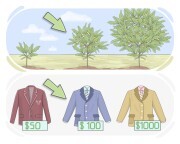
in some ways or to some degree
to a degree or extent that is unclear
trochu, do jisté míry
Výkon týmu byl celkem působivý, vzhledem k náročným okolnostem.
used when ending a conversation, or changing, or returning to a subject
Každopádně, Tak jako tak
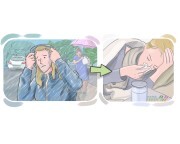
used to introduce a consequence or result of the preceding clause
takže, proto
Zapomněl jsem na její narozeniny, takže byla na mě naštvaná.

a bright bluish-green color
tyrkysová, modrozelená
Jeho košile byla zářivě tyrkysová, ideální pro letní párty.
