
pattern

Könyv: Headway - Felső-középhaladó - Egység 2

Itt találod a Headway Upper Intermediate tankönyv 2. egységének szókincsét, például "arrangement", "make off", "litter" stb.

Áttekintés

Villámkártyák

alakok

Betűzés

Kvíz

Indítsa el a tanulást
Headway - Upper Intermediate
to [do] {one's}  best
to do one's best
[kifejezés]

to try to do something as well as one is capable of

mindent megtenni, a tőle telhető legjobbat nyújtani

mindent megtenni, a tőle telhető legjobbat nyújtani

Ex: I know the test is hard, but just do your best. 
to do away with

to stop using or having something

megszüntet, megszabadul

megszüntet, megszabadul

Ex: In an effort to reduce waste, the company decided to do away with single-use plastic in its packaging. 
to [make] an impression

to create a memorable or lasting effect on someone or something

Ex: His confident presentation skills helped him make a positive impression during the job interview. 
arrangement
arrangement
[Főnév]

a mutual understanding or agreement established between people

megállapodás, egyezmény

megállapodás, egyezmény

Ex: They made an arrangement to meet at the café later. 
profit
profit
[Főnév]

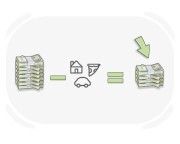
the sum of money that is gained after all expenses and taxes are paid

nyereség,  profit

nyereség, profit

Ex: The company reported a significant profit for the fiscal year, reflecting efficient operations and strong sales. 
loss
loss
[Főnév]

the act or process of no longer having someone or something

veszteség, elvesztés

veszteség, elvesztés

Ex: The loss of her keys caused her to be late. 
research
research
[Főnév]

a careful and systematic study of a subject to discover new facts or information about it

kutatás

kutatás

Ex: Mark spent hours in the library doing research for his history paper. 
to [make] {one's} move
to make one's move
[kifejezés]

doing something that someone has planned to, often when they find the right time

megtenni a lépést, akcióba lépni

megtenni a lépést, akcióba lépni

Ex: He waited until the boss left the room, then made his move. 
to [do] {sb} a (favor|solid)

to perform a helpful or kind act for someone, typically without expecting something in return

Ex: She was willing to do her friend a favor by lending a hand with moving. 
to [make] an effort
to make an effort
[kifejezés]

to try to do or accomplish something, particularly something difficult

Ex: He promised to make an effort to spend more quality time with his family. 
business
business
[Főnév]

the activity of providing services or products in exchange for money

üzlet, vállalkozás

üzlet, vállalkozás

Ex: Her passion for photography led her to start a business. 
to [make] (a|the) difference

to have a very strong and noticeable effect on someone or something

Ex: Volunteering at the local shelter can make a difference in the lives of homeless individuals by providing them with food and shelter. 
decision
decision
[Főnév]

a choice or judgment that is made after adequate consideration or thought

döntés, választás

döntés, választás

Ex: After much deliberation, she finally made the decision to pursue a career in medicine. 
suggestion
suggestion
[Főnév]

the act of putting an idea or plan forward for someone to think about

javaslat,  ötlet

javaslat, ötlet

Ex: His suggestion to streamline the company's workflow was well-received by the team. 
degree
degree
[Főnév]

the certificate that is given to university or college students upon successful completion of their course

diploma

diploma

Ex: After years of hard work and dedication, she finally received her bachelor's degree in biology. 
clear
clear
[melléknév]

easy to understand

világos, érthető

világos, érthető

Ex: His instructions were clear, allowing everyone to follow them without confusion. 
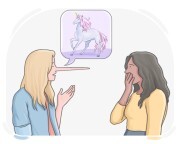
to make up

to create a false or fictional story or information

kitalál, kohol

kitalál, kohol

Ex: The gossip columnist made rumors up about the celebrities. 
to make up for

to do something in order to replace something lost or fix something damaged

jóvátenni, pótolni

jóvátenni, pótolni

Ex: He bought her flowers to make up for forgetting her birthday. 
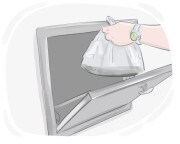
to make off

to leave quickly, often in order to escape or avoid someone or something

elszalad, megfutamodik

elszalad, megfutamodik

Ex: The thief made off after robbing the bank. 
{sb} could do without {sb/sth}

used to mean that one can go on or manage without someone or something

Ex: I could do without all the traffic during my morning commute; it's so frustrating. 
{sb} could do with {sb/sth}

used to mean that one benefits from having someone or something present or available to one

Ex: I could do with a cup of coffee right now; I'm feeling a bit tired. 
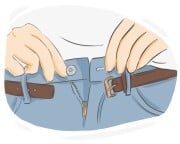
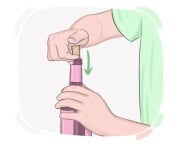
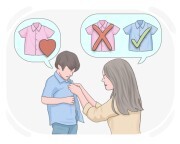
to do up

to fasten, button, zip, or otherwise secure something, often related to clothing or accessories

becsatol, rögzít

becsatol, rögzít

Ex: She asked for help to do up the zipper on the back of her dress. 
rubbish
rubbish
[Főnév]

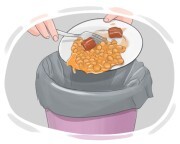
unwanted, worthless, and unneeded things that people throw away

szemét, hulladék

szemét, hulladék

Ex: Please take out the rubbish before the garbage truck arrives in the morning. 
litter
litter
[Főnév]

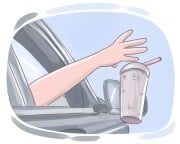
waste such as bottles, papers, etc. that people throw on a sidewalk, park, or other public place

szemét, hulladék

szemét, hulladék

Ex: Please don’t throw litter on the sidewalk—use the bin. 
to clog
to clog
[ige]

to make it so that nothing can move through something

eldugul, eltömődik

eldugul, eltömődik

Ex: After the heavy rain, leaves and debris tended to clog the gutters. 
to swamp

to flood or cover something with water, making it hard to use or move through

eláraszt, eltölt

eláraszt, eltölt

Ex: The rain is swamping the streets right now. It's going to make them impassable. 
garbage
garbage
[Főnév]

things such as household materials that have no use anymore

szemét, hulladék

szemét, hulladék

Ex: He threw the garbage into the bin after dinner. 
debris
debris
[Főnév]

the scattered pieces of waste, remains, or broken objects, often left after destruction or an accident

törmelék, roncsok

törmelék, roncsok

Ex: The hurricane left debris scattered across the streets. 
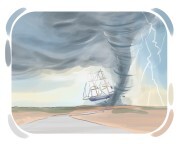
to swirl

to move in a twisting or whirling motion, creating a pattern of circular or spiral motion

kavarg, pörög

kavarg, pörög

Ex: The leaves swirl in the wind during the autumn months. 
to gobble

to eat something quickly and greedily, often making loud and rapid swallowing sounds

zabál, fal

zabál, fal

Ex: The children tend to gobble their candy as soon as they get it on Halloween. 
food chain
food chain
[Főnév]

a system in nature where animals and plants depend on each other for food

tápláléklánc, trofikus hálózat

tápláléklánc, trofikus hálózat

Ex: The lion is at the top of the food chain in the savannah. 
grain
grain
[Főnév]

a small, hard particle or granule, often referring to seeds, sand, or similar substances

szemcse, részecske

szemcse, részecske

Ex: A single grain of sand stuck to her skin after the beach walk. 
to impose

to force someone to do what they do not want

ráró, kényszerít

ráró, kényszerít

Ex: The authoritarian government tried to impose strict regulations on freedom of speech. 
infinite
infinite
[melléknév]

without end or limits in extent, amount, or space

végtelen, határtalan

végtelen, határtalan

Ex: The universe is believed to be infinite in size, with no discernible boundaries. 
single-use
single-use
[melléknév]

made to be used once and then thrown away

egyszer használatos, eldobható

egyszer használatos, eldobható

Ex: The café stopped giving out single-use plastic straws. 
throwaway
throwaway
[melléknév]

discarded or is intended to be thrown away after use

eldobható, egyszer használatos

eldobható, egyszer használatos

Ex: The throwaway bottle was left on the side of the road. 
well
well
[Felkiáltás]

said to express agreement to something, usually reluctantly

hát jó, nosza

hát jó, nosza

you know
you know
[Felkiáltás]

used as a filler phrase to pause or fill gaps in speech

tudod, tudod te

tudod, tudod te

Ex: I was at the store, and, you know, they didn't have the item I was looking for. 
like
like
[Felkiáltás]

used as a filler word or hesitation marker

mint

mint

Ex: I was, like, so nervous before the exam. 
I mean
I mean
[Felkiáltás]

used in speech to provide emphasis, or to signal a pause in speech while the speaker gathers their thoughts

Úgy értem, Vagyis

Úgy értem, Vagyis

Ex: The movie was okay—I mean, it wasn’t great, but it wasn’t terrible either. 
you see
you see
[Felkiáltás]

used to draw attention to a point or to emphasize a statement or explanation

látod, érted

látod, érted

Ex: He’s not angry at you; you see, he’s just stressed about work. 
kind of
kind of
[kifejezés]

in some ways or to some degree

Ex: The new policy is kind of confusing; I need more clarification on its implications. 
sort of {~noun}
sort of
[határozószó]

to a degree or extent that is unclear

kicsit, valahogy

kicsit, valahogy

Ex: The movie was entertaining, but I sort of expected a more engaging storyline. 
anyway
anyway
[határozószó]

used when ending a conversation, or changing, or returning to a subject

Mindegy, Akárhogy is

Mindegy, Akárhogy is

Ex: Anyway, let’s get back to the main topic of our discussion. 
so
so
[Kötőszó]

used to introduce a consequence or result of the preceding clause

tehát, így

tehát, így

Ex: It was still painful, so I went to see a specialist. 
turquoise
turquoise
[Főnév]

a bright bluish-green color

türkiz, kékesszöld

türkiz, kékesszöld

Ex: The ocean shimmered in shades of turquoise under the bright sun. 
LanGeek
LanGeek alkalmazás letöltése