

pattern

Vocabulaire Essentiel pour l'Examen SAT - Significations Figuratives

Ici, vous apprendrez le sens figuré de certains mots anglais, tels que "fil", "munitions", "ombre", etc., dont vous aurez besoin pour réussir vos SAT.

Réviser

Flashcards

formes

Orthographe

Quiz

Commencer à apprendre
SAT Exam Essential Vocabulary
to strip
to strip
[verbe]

to take away someone's possessions or assets

dépouiller, priver

dépouiller, priver

Ex: In some cases, a court order may strip a parent of custody rights. 
to sever
to sever
[verbe]

to end a connection or relationship completely

rompre, couper

rompre, couper

Ex: The company decided to sever ties with its underperforming suppliers. 
to wire
to wire
[verbe]

to set up or program someone or something in a way that naturally inclines them toward a particular behavior, response, or way of thinking

programmer, conditionner

programmer, conditionner

Ex: From a young age, he was wired to be curious and always asked questions about how things worked. 
to insulate

to shield someone or something from external factors, pressures, or influences

isoler, protéger

isoler, protéger

Ex: The company took measures to insulate its research team from market pressures to ensure unbiased results. 
to exhibit
to exhibit
[verbe]

to show a particular trait or behavior prominently

montrer, manifester

montrer, manifester

Ex: The athlete exhibits determination by never giving up, even in the face of challenges. 
to unleash
to unleash
[verbe]

to let out or express a strong emotion or feeling, such as anger, frustration, or excitement

libérer, déchaîner

libérer, déchaîner

Ex: He unleashed his frustration by shouting at the top of his lungs. 
to shadow
to shadow
[verbe]

to follow someone closely in order to observe and learn from them, often by copying their actions, behavior, or techniques

filouter, suivre de près

filouter, suivre de près

Ex: The intern was assigned to shadow the senior manager to learn the ropes of the new project. 
to devour
to devour
[verbe]

to read written material with great enthusiasm and speed

dévorer, engloutir

dévorer, engloutir

Ex: She devoured the entire mystery novel in one sitting, unable to put it down. 
to plant
to plant
[verbe]

to put or position something securely

planter, poser

planter, poser

Ex: She planted the flag atop the mountain, marking the team's successful ascent. 
to skip
to skip
[verbe]

to deliberately and quickly move past or jump over certain sections or portions of media, such as audio tracks, video segments, or chapters

passer, sauter

passer, sauter

Ex: During the movie, he decided to skip the intense scenes as they were too disturbing. 
to simmer
to simmer
[verbe]

(of emotions, tensions, or conflicts) to be present but not openly expressed

mijoter, couver

mijoter, couver

Ex: The resentment between the two colleagues simmered quietly for months before finally erupting in a heated argument. 
to brighten

(of weather) to become sunnier or less cloudy

s'éclaircir, devenir plus clair

s'éclaircir, devenir plus clair

Ex: The sky began to brighten after the heavy rain. 
to cost
to cost
[verbe]

to cause the loss of something, often valuable, or a negative outcome resulting from a particular action or decision

coûter, entraîner

coûter, entraîner

Ex: Ignoring safety regulations can cost lives in hazardous work environments. 
to spark
to spark
[verbe]

to trigger or ignite a reaction, response, or action, often by provoking or inspiring someone or something to action

déclencher, provoquer

déclencher, provoquer

Ex: The passionate speech by the leader sparked a wave of enthusiasm among the crowd. 
to surrender

to give away or yield something, usually under pressure or voluntarily

abandonner, céder

abandonner, céder

Ex: The soldiers were forced to surrender their weapons to the enemy. 
to consult
to consult
[verbe]

to refer to a source of knowledge in order to ascertain something

consulter

consulter

Ex: The doctor consulted the patient's medical history before prescribing a treatment plan. 
to render
to render
[verbe]

to create a representation of something, usually in the form of a drawing, painting, or other visual medium

représenter, rendre

représenter, rendre

Ex: The artist rendered the majestic landscape with vibrant colors and intricate detail. 
to witness
to witness
[verbe]

to have firsthand knowledge of a development or event through observation or personal experience

témoigner, assister

témoigner, assister

Ex: They witnessed the growth of the city skyline over the years. 
to reign
to reign
[verbe]

to be predominant or prevalent

régner, dominer

régner, dominer

Ex: Throughout history, various ideologies have reigned over different regions, shaping the cultural and political landscape. 
to frame
to frame
[verbe]

to structure or organize ideas, plans, or systems within a framework

structurer, organiser

structurer, organiser

Ex: The committee framed a new policy to address environmental sustainability within the organization. 
to portray
to portray
[verbe]

to describe something or someone through words

décrire, peindre

décrire, peindre

Ex: The author portrays the protagonist as a courageous and determined individual. 
to drive
to drive
[verbe]

to be the influencing factor that causes something to make progress

conduire, pousser

conduire, pousser

Ex: Healthcare reforms are expected to drive improvements in patient care. 
to lace
to lace
[verbe]

to incorporate or infuse something with a particular quality, element, or characteristic

entrelacer, imprégner

entrelacer, imprégner

Ex: Her speech was laced with humor, making the serious topic more engaging and relatable. 
to appreciate

to fully understand or recognize the qualities, significance, or worth of something

apprécier, reconnaître

apprécier, reconnaître

Ex: She came to appreciate his sense of humor after spending more time with him. 
to hold
to hold
[verbe]

to have a specific opinion or belief about someone or something

juger, estimer, considérer, maintenir

juger, estimer, considérer, maintenir

Ex: My grandfather held traditional values when it came to family. 
to boast
to boast
[verbe]

to possess or have a particular feature or quality that is a source of pride

se vanter, se targuer

se vanter, se targuer

Ex: The coastal town boasts stunning sunsets that attract visitors from around the world. 
to decorate

to recognize and honor members of armed forces for their service, bravery, or achievements

décorer, honorer

décorer, honorer

Ex: The President will decorate the soldier for injuries sustained in combat. 
to accommodate

to consider something and possibly make adjustments based on it

adapter

adapter

Ex: The teacher decided to accommodate the students' learning preferences by incorporating more visual aids in her lessons. 
to relieve
to relieve
[verbe]

to take something away through stealing or cunning actions

soulager, délester

soulager, délester

Ex: The cunning thief sought to relieve the wealthy merchant of his prized possessions. 
to descend
to descend
[verbe]

to be related by blood, typically referring to the lineage or family connection

descendre, être issu de

descendre, être issu de

Ex: She descends from a long line of accomplished artists and painters. 
to crack
to crack
[verbe]

to reveal or disclose something suddenly or impulsively

révéler, divulguer

révéler, divulguer

Ex: Despite his efforts to keep it a secret, he cracked and told his friends about the surprise party. 
to stir
to stir
[verbe]

to cause a reaction or disturbance in someone's emotional state

émouvoir, remuer

émouvoir, remuer

Ex: The poignant melody of the song had the power to stir deep emotions and bring tears to her eyes. 
to capture
to capture
[verbe]

to manage to express a mood, quality, scene, etc. accurately in a piece of art

capturer, saisir

capturer, saisir

Ex: The painting beautifully captured the peacefulness of the countryside. 
to run
to run
[verbe]

to own, manage, or organize something such as a business, campaign, a group of animals, etc.

diriger

diriger

Ex: She ran the family farm, overseeing the planting, harvesting, and sales of their crops. 
twist
twist
[nom]

an unexpected turn in the course of events

rebondissement, coup de théâtre, tournant

rebondissement, coup de théâtre, tournant

Ex: The novel's plot contained a surprising twist that left readers stunned. 
ill
ill
[nom]

an undesirable condition or difficulty that requires attention or resolution

mal, fléau

mal, fléau

Ex: The community faced several social ills, including poverty and unemployment. 
driver
driver
[nom]

a factor, force, or influence that initiates or causes a particular action, process, or change

facteur, moteur

facteur, moteur

Ex: Economic growth is often seen as a key driver of job creation. 
departure

a change or deviation from the usual or expected standard

écart, départ

écart, départ

Ex: His choice of attire was a departure from his usual casual style, opting for a more formal look. 
turn
turn
[nom]

a transitional phase that marks the end of one era and the beginning of another

tournant, changement

tournant, changement

Ex: The turn of the century brought significant technological advancements that reshaped society. 
ammunition

a set of facts or information that can be used to win an argument against someone or to criticize them

armes

armes

Ex: The lawyer gathered substantial ammunition to strengthen her case in court. 
spike
spike
[nom]

a significant and sudden increase in a price, number, rate, etc.

accroissement rapide, pic

accroissement rapide, pic

distillation

the process of refining and extracting the essential elements from a complex body of information or ideas

distillation, raffinage

distillation, raffinage

Ex: The philosopher's essay is a distillation of centuries of thought on the nature of existence. 
snap
snap
[nom]

a task or activity that is easy and straightforward to complete

un jeu d'enfant, une formalité

un jeu d'enfant, une formalité

Ex: Following the recipe in the cookbook was a snap for her. 
input
input
[nom]

the information or events that stimulate action or response

entrée, apport

entrée, apport

Ex: The data gathered from the experiment provided crucial input for the research project. 
reception

the way in which something is perceived or received by others, often referring to the response or reaction to an idea, message, or product

accueil, réception

accueil, réception

Ex: The movie had a mixed reception, with some critics praising it and others disappointed. 
reflexion

a thoughtful and deliberate consideration, often calm and extended

réflexion

réflexion

Ex: After the meeting, he retreated for a quiet reflexion on the day's events. 
sway
sway
[nom]

the influence or control over someone or something

influence, emprise

influence, emprise

Ex: The politician's powerful speeches held considerable sway over voters. 
miscarriage

the collapse or failure of a plan or intended outcome

échec, avortement

échec, avortement

Ex: The project had a miscarriage when funding unexpectedly fell through. 
retreat
retreat
[nom]

a quiet and private place where one can be alone

retraite,  refuge

retraite, refuge

Ex: She found solace in her garden retreat, away from the hustle and bustle of city life. 
assembly

a group of parts that have been put together to form a unit

assemblage

assemblage

Ex: The bicycle came as an assembly of parts that needed to be assembled at home. 
record
record
[nom]

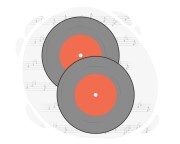
a round, thin piece of plastic with a hole in the middle, on which music, etc. is recorded

disque

disque

Ex: He started a small business selling records and vintage audio equipment. 
crisp
crisp
[Adjectif]

effectively concise in expression

concis, précis

concis, précis

Ex: Her responses in the meeting were crisp and left no room for misunderstanding. 
accessible
accessible
[Adjectif]

easily understood or readable with comprehension

accessible, compréhensible

accessible, compréhensible

Ex: The textbook was written in an accessible language that students found easy to understand. 
meteoric
meteoric
[Adjectif]

developing or reaching success in a quick way

fulgurant

fulgurant

Ex: Her meteoric rise to stardom came as a surprise to many, given how quickly she gained popularity. 
oceanic
oceanic
[Adjectif]

having the vast extent or degree characteristic of the ocean

océanique, immense comme l'océan

océanique, immense comme l'océan

Ex: The desert stretched out in an oceanic expanse of sand and dunes. 
infectious
infectious
[Adjectif]

(of qualities or behaviors) likely to influence others rapidly

contagieux, communicatif

contagieux, communicatif

Ex: His enthusiasm for the project was infectious, inspiring the entire team to work harder. 
bare
bare
[Adjectif]

offering no protection or refuge

nu, dénudé

nu, dénudé

Ex: The mountaintop was bare, offering no refuge from the biting wind. 
sharp
sharp
[Adjectif]

able to understand and notice things quickly

vif, perspicace

vif, perspicace

Ex: The detective remained sharp throughout the interrogation, catching every subtle clue. 
harsh
harsh
[Adjectif]

(of conditions or actions) unpleasantly rough or severe

sévère, dur

sévère, dur

Ex: His critique was harsh, leaving her disheartened. 
sacred
sacred
[Adjectif]

deserving deep respect and admiration due to its spiritual, religious, or significant importance

sacré, saint

sacré, saint

Ex: The artist's studio is a sacred space where creativity flourishes. 
sensitive
sensitive
[Adjectif]

relating to classified details or topics critical to national safety

sensible, confidentiel

sensible, confidentiel

Ex: The diplomat's sensitive conversations were conducted in secure, classified settings. 
LanGeek
Télécharger l'application LanGeek