pattern

Cambridge IELTS 19 - Academic - Test 3 - Écoute - Partie 3 (2)

Apprenez le vocabulaire de la deuxième partie du Cambridge IELTS 19 Academic, Test 3 Listening Part 3, avec des mots et expressions utiles de cette section.

Réviser

Flashcards

formes

Orthographe

Quiz

Commencer à apprendre
Cambridge IELTS 19 - Academic
procedure

a particular set of actions conducted in a certain way

procédure

procédure

Ex: The laboratory has a standardized procedure for testing samples to ensure consistent results. 
mixture
mixture
[nom]

a combination of different elements or substances

mélange, mixture
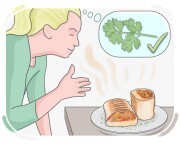
mélange, mixture

Ex: Their friendship is a mixture of fun and deep conversation. 
to tell apart

to distinguish the differences between things or people

distinguer, différencier

distinguer, différencier

Ex: Can you tell the spices apart by their unique smells? 

Pouvez-vous distinguer les épices par leurs odeurs uniques ?

to suppose
to suppose
[verbe]

to think or believe that something is possible or true, without being sure

supposer

supposer

Ex: Given the weather forecast, I suppose it will rain later today. 
to mark
to mark
[verbe]

to leave a sign, line, etc. on something

marquer

marquer

Ex: She carefully marked the important passages in the textbook with colored tabs. 
to talk through

to discuss thoroughly and understand all the details of something

discuter en détail, parcourir en parlant

discuter en détail, parcourir en parlant

Ex: They spent time talking through their available options. 

Ils ont passé du temps à discuter en détail leurs options disponibles.

food coloring

a substance added to food to change or enhance its color

colorant alimentaire, colorant pour aliments

colorant alimentaire, colorant pour aliments

Ex: Natural food coloring made from beet juice or turmeric is used in some products as a substitute for synthetic food dyes. 

Le colorant alimentaire naturel à base de jus de betterave ou de curcuma est utilisé dans certains produits comme substitut aux colorants alimentaires synthétiques.
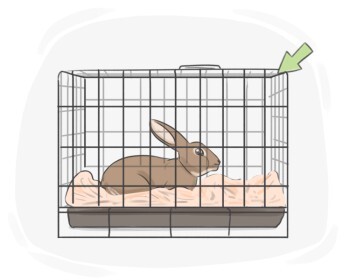
cage
cage
[nom]

an enclosure made of bars, wire, or similar material for keeping an animal or bird confined

cage

cage

Ex: The parrot climbed along the bars of its cage. 
control group

a group in an experiment or study that does not receive the treatment or intervention being tested

groupe témoin, groupe de contrôle

groupe témoin, groupe de contrôle

Ex: The control group was monitored under the same conditions as the experimental group, but without exposure to the new treatment. 

Le groupe témoin a été surveillé dans les mêmes conditions que le groupe expérimental, mais sans exposition au nouveau traitement.

ordinary
ordinary
[Adjectif]

not unusual or different in any way

ordinaire

ordinaire

Ex: The meal she cooked was ordinary, with no special ingredients or flavors. 
pellet
pellet
[nom]

a small, rounded or cylindrical piece of material, often used as fuel, food, or ammunition

granule, bille

granule, bille

Ex: The wood stove was fueled by compressed sawdust pellets. 

Le poêle à bois était alimenté par des granulés de sciure compressée.
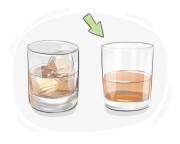
straight
straight
[Adjectif]

(of an alcoholic drink) served without mixers, ice, or water

pur, sec

pur, sec

Ex: She took her bourbon straight. 
cereal
cereal
[nom]

any food product made from the starchy grains of cereal grasses

céréale, grain de céréale

céréale, grain de céréale

Ex: Rice and corn are used to produce various cereals. 

Le riz et le maïs sont utilisés pour produire diverses céréales.
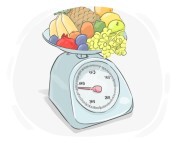
to weigh
to weigh
[verbe]

to measure how heavy someone or something is

peser

peser

Ex: Emma weighed the flour before adding it to the mixture. 
balance
balance
[nom]

a device for weighing objects, relying on the force of gravity

balance, pèse-lettre

balance, pèse-lettre

Ex: The kitchen balance showed the flour weighed exactly 500 grams. 
reading
reading
[nom]

a datum about some physical state that is presented to a user by a meter or similar instrument

lecture, indication

lecture, indication

Ex: Check the meter reading before submitting the bill. 
to sound
to sound
[verbe]

to convey or make a specific impression when read about or when heard

sembler
sembler

Ex: Learning a new language sounds challenging but rewarding. 
complicated
complicated
[Adjectif]

involving many different parts or elements that make something difficult to understand or deal with

compliqué, complexe

compliqué, complexe

Ex: Her feelings for him were complicated, influenced by a mix of emotions. 

Ses sentiments pour lui étaient compliqués, influencés par un mélange d'émotions.
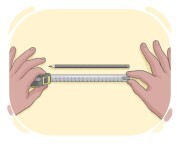
to measure
to measure
[verbe]

to find out the exact size of something or someone

mesurer

mesurer

Ex: Last month, the surveyors measured the dimensions of the land before construction began. 
gain
gain
[nom]

an amount that is added to something

augmentation, acquisition, gain, prise

augmentation, acquisition, gain, prise

Ex: The gain in weight was due to improved diet. 
to work out

to find a solution to a problem, often through analysis, experimentation, or mathematical calculation

résoudre, trouver une solution

résoudre, trouver une solution

Ex: Working out problems collaboratively often leads to better solutions. 

Résoudre des problèmes de manière collaborative conduit souvent à de meilleures solutions.

average
average
[nom]

a value that represents the central or typical point in a set of data, often calculated as the mean, median, or mode

moyenne, médiane

moyenne, médiane

Ex: To find the average, add up all the values and divide by the total number of values. 
deviation

the difference between an observed value and the expected value of a variable or function

écart, déviation

écart, déviation

to [make] progress

to improve or get closer to a particular goal

Ex: The research team is making progress in their quest to find a cure for the disease. 
challenged
challenged
[Adjectif]

facing difficulties or obstacles due to physical, mental, or developmental conditions

défié,  en difficulté

défié, en difficulté

Ex: The physically challenged athlete competed in the Paralympic Games. 

L'athlète handicapé a participé aux Jeux Paralympiques.

frustrated
frustrated
[Adjectif]

feeling upset or annoyed due to being unable to do or achieve something

désespéré

désespéré

Ex: They felt frustrated by the lack of progress in resolving the ongoing conflict. 

Ils se sont sentis frustrés par le manque de progrès dans la résolution du conflit en cours.

subject
subject
[nom]

a branch or an area of knowledge that we study at a school, college, or university

matière

matière

Ex: In elementary school, students learn about different subjects like mathematics, science, and history. 
suggestion

a proposal offered for acceptance or rejection

suggestion, proposition
suggestion, proposition

Ex: She rejected the suggestion that the office should close early. 
to base on
to base on
[verbe]

to develop something using certain facts, ideas, situations, etc.

fonder quelque chose sur certains faits ou certaines idées, utiliser quelque chose comme base pour développer autre chose

fonder quelque chose sur certains faits ou certaines idées, utiliser quelque chose comme base pour développer autre chose

Ex: The decision was based on careful consideration of the options. 

La décision était basée sur une considération minutieuse des options.

concerned
concerned
[Adjectif]

feeling worried or troubled about a particular situation or issue

inquiet, soucieux

inquiet, soucieux

Ex: He felt concerned about the impact of climate change on future generations. 

Il s'est senti préoccupé par l'impact du changement climatique sur les générations futures.

meaningful
meaningful
[Adjectif]

having a significant purpose or importance

significatif

significatif

Ex: The team celebrated their victory with a meaningful ceremony honoring their hard work. 

L'équipe a célébré sa victoire avec une cérémonie significative honorant leur dur labeur.
to obtain
to obtain
[verbe]

to get something, often with difficulty

obtenir

obtenir

Ex: The students are obtaining practical experience through internships. 
to apply
to apply
[verbe]

to be suitable, appropriate, or relevant in a given context or situation

s'appliquer

s'appliquer

Ex: The safety guidelines outlined in the manual apply to all employees. 
to address
to address
[verbe]

to think about a problem or an issue and start to deal with it

s'occuper de

s'occuper de

Ex: It's time for us to address the growing concerns about environmental pollution. 
intake
intake
[nom]

the amount of food, drink, or another substance taken into the body

apport,  consommation

apport, consommation

Ex: She carefully monitors her calorie intake. 
strain
strain
[nom]

a genetic variant or subtype of a microorganism, typically within a species, that possesses distinct characteristics from other members of the same species

souche, variante

souche, variante

Ex: Researchers study bacterial strains to understand antibiotic resistance and develop effective treatments. 
varying
varying
[Adjectif]

marked by diversity or difference

varié, diversifié

varié, diversifié

calculation

the process of using mathematics to determine a number, amount, or result

calcul
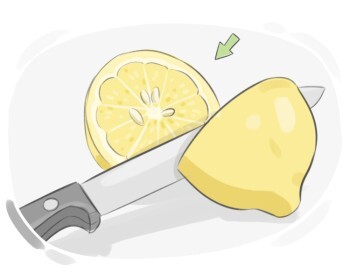
calcul

Ex: The engineer checked his calculations before approving the design. 
to divide
to divide
[verbe]

to separate people or things into two or more groups, parts, etc.

diviser, séparer

diviser, séparer

Ex: The chef divides the ingredients into precise portions for the recipe. 
commercial
commercial
[Adjectif]

of the kind or quality used in commerce; average or inferior

commercial, de qualité commerciale

commercial, de qualité commerciale

Ex: The wood was considered commercial rather than premium quality. 
to contain
to contain
[verbe]

to have or hold something within or include something as a part of a larger entity or space

contenir

contenir

Ex: The box contains all the parts you need to assemble the table. 
measurement

the action of finding the size, number, or degree of something

mesure
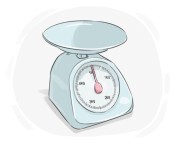
mesure

Ex: The carpenter made careful measurements before cutting the wood for the project. 
scale
scale
[nom]

a device used to weigh people or objects

balance

balance

Ex: The warehouse manager used a large industrial scale to weigh the shipments of goods. 
tag
tag
[nom]

a label associated with something for the purpose of identification

étiquette,  marqueur

étiquette, marqueur

weighing chamber

a small enclosed space, often found in a scale, where objects are placed for weighing, made to block air, dust, or movement so the measurement stays exact

chambre de pesée, enceinte de pesage

chambre de pesée, enceinte de pesage

Ex: The weighing chamber keeps the balance steady while measuring. 

La chambre de pesée maintient l'équilibre stable pendant la mesure.
to go
to go
[verbe]

to progress in a particular way

devenir

devenir

Ex: The negotiations are going positively, and an agreement is within reach. 
LanGeek
Télécharger l'application LanGeek