pattern

Cambridge IELTS 19 - Academic - Test 3 - Lecture - Passage 2 (3)

Apprenez le vocabulaire de la troisième partie du Cambridge IELTS 19 Academic, Test 3 Reading Passage 2, avec des mots et expressions utiles tirés du texte.

Réviser

Flashcards

formes

Orthographe

Quiz

Commencer à apprendre
Cambridge IELTS 19 - Academic
devastating
devastating
[Adjectif]

causing severe damage, destruction, or emotional distress

dévastateur, ravageur

dévastateur, ravageur

Ex: Watching the devastating impact of the hurricane on the coastal communities was heart-wrenching. 

Regarder l'impact dévastateur de l'ouragan sur les communautés côtières était déchirant.

sediment

particles of solid material that settle at the bottom of a liquid

sédiment

sédiment

Ex: The geologist studied the sediment at the bottom of the lake to learn about its history. 
invisible
invisible
[Adjectif]

impossible or very difficult to see

invisible

invisible

Ex: A thin wire held the object almost invisible against the dark background. 
extraction

the process of obtaining something from a mixture or compound by chemical or physical or mechanical means

extraction, l'extraction
extraction, l'extraction

to [catch] (on|) fire

to start burning

Ex: He accidentally spilled gasoline, causing the garage to catch on fire. 
seldom
seldom
[Adverbe]

used to refer to something that happens rarely or infrequently

rarement

rarement

Ex: They seldom travel during the winter. 

Ils voyagent rarement pendant l'hiver.

to blame
to blame
[verbe]

to say or feel that someone or something is responsible for a mistake or problem

accuser
accuser

Ex: The parents were quick to blame the school when their child's grades dropped, overlooking the child's lack of effort. 
deliberate
deliberate
[Adjectif]

intended or done consciously rather than accidentally

délibéré

délibéré

Ex: Emma made a deliberate choice to leave her phone at home. 
to set out
to set out
[verbe]

to begin doing something in order to reach a goal

se mettre en route, entreprendre

se mettre en route, entreprendre

Ex: He set out with determination to improve his skills in the upcoming competition. 

Il s'est mis en route avec détermination pour améliorer ses compétences dans la compétition à venir.

to [make] a living

to earn an amount of money that enables one to support oneself and pay for one's needs
Ex: Many people make a living by pursuing careers in various fields such as medicine, engineering, or education. 
to acknowledge

to openly accept something as true or real

reconnaître

reconnaître

Ex: Despite the overwhelming evidence, she wouldn't acknowledge her mistake. 
to recognize

to completely understand, acknowledge, or become aware of the existence, validity, or importance of something

reconnaître, identifier

reconnaître, identifier

Ex: The teacher recognized the student's potential and encouraged him to pursue advanced studies. 
approach

a way of doing something or dealing with a problem

approche

approche

Ex: We need a new approach to solve this technical issue. 
to value
to value
[verbe]

to regard highly and consider something as important, beneficial, or worthy of appreciation

apprécier, valoriser

apprécier, valoriser

Ex: The team has valued individual contributions to foster a collaborative work environment. 
sustainability

the capacity to be maintained for a long time and causing no harm to the environment

durabilité, pérennité

durabilité, pérennité

Ex: The company prioritizes sustainability by using recycled materials in packaging. 

L'entreprise priorise la durabilité en utilisant des matériaux recyclés dans l'emballage.

decision making

the process of choosing between different options or actions

prise de décision, processus décisionnel
prise de décision, processus décisionnel

Ex: The manager is responsible for daily decision making. 
right
right
[nom]

a thing that someone is legally, officially, or morally allowed to do or have

légitime

légitime

Ex: The right to vote is fundamental in a democratic society. 
fortune
fortune
[nom]

the potential outcome or destiny of someone or something, often influenced by luck or circumstance

destin, sort
destin, sort

Ex: He believed his fortune was to be a great artist, despite the odds. 
long-term
long-term
[Adjectif]

continuing or taking place over a relatively extended duration of time

à long terme, de longue durée

à long terme, de longue durée

Ex: The company developed a long-term strategy for sustainable growth. 

L'entreprise a développé une stratégie à long terme pour une croissance durable.
attitude

the typical way a person thinks or feels about something or someone, often affecting their behavior and decisions

attitude
attitude

Ex: A respectful attitude towards others fosters healthy relationships and mutual understanding. 
to go on to

to move from one item or topic to the next in a sequence or discussion

passer au point ou sujet suivant, passer d'un élément au suivant dans une séquence

passer au point ou sujet suivant, passer d'un élément au suivant dans une séquence

Ex: After discussing the weather, the conversation went on to current events. 

Après avoir discuté de la météo, la conversation est passée à les actualités.

priority

the fact or condition of being regarded or treated as more important than others

priorité, préférence
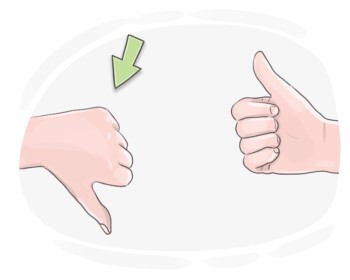
priorité, préférence

Ex: She made her family her main priority after her promotion. 
to deny
to deny
[verbe]

to reject or refute the truth or existence of something

nier, démentir

nier, démentir

Ex: He denied the possibility of life on other planets, arguing that Earth is unique in its ability to sustain life. 
cautiously
cautiously
[Adverbe]

in a way that shows carefulness and attention to potential danger, risk, or harm

prudemment, avec précaution

prudemment, avec précaution

Ex: He cautiously opened the mysterious package. 

Il ouvrit prudemment le paquet mystérieux.
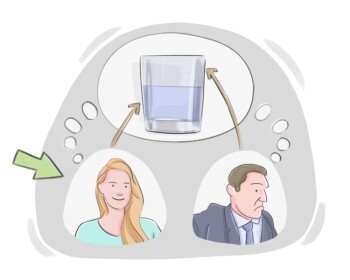
optimistic
optimistic
[Adjectif]

having a hopeful and positive outlook on life, expecting good things to happen

optimiste

optimiste

Ex: His optimistic attitude lifted the spirits of everyone around him during difficult times. 

Son attitude optimiste a remonté le moral de tout le monde autour de lui pendant les moments difficiles.

awareness

knowledge or understanding of a specific situation, fact, or issue

conscience, connaissance
conscience, connaissance

Ex: Public awareness of the problem has increased in recent years. 
rapid
rapid
[Adjectif]

occurring or moving with great speed

rapide

rapide

Ex: She made rapid progress in learning the new language. 
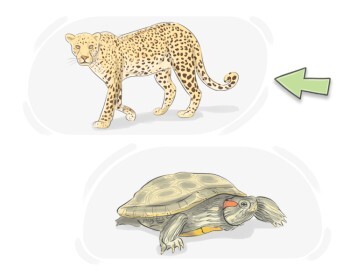
pace
pace
[nom]

the rate or speed at which something progresses or changes

rythme, allure
rythme, allure

Ex: The pace of the conversation slowed as they delved into deeper topics. 
impression

an opinion or feeling that one has about someone or something, particularly one formed unconsciously

impression

impression

Ex: The cluttered office left a poor impression on the new employee. 
sinking
sinking
[nom]

a slow fall or decline (as for lack of strength)

affaissement, déclin

affaissement, déclin

removal
removal
[nom]

the act or process of taking someone or something away from a place, position, or situation

enlèvement,  retrait

enlèvement, retrait

Ex: The company arranged for the removal of the old equipment. 
reference

a mention or citation of something, often to provide context or support for an idea

référence, citation

référence, citation

Ex: His speech made multiple references to historical events. 
to ensure
to ensure
[verbe]

to make sure that something will happen

assurer

assurer

Ex: The checklist ensures that all necessary tasks are completed. 
inhabitant

a person or animal that lives in a particular place

habitant

habitant

Ex: Most of the city's inhabitants live near the coast. 
proportion

the result obtained when one quantity considered in relation to the whole

proportion

proportion

Ex: The proportion of students to teachers in the school allows for personalized attention. 
to appreciate

to fully understand or recognize the qualities, significance, or worth of something

apprécier, reconnaître

apprécier, reconnaître

Ex: Learning a new language helped him appreciate different cultures and perspectives. 
to mention
to mention
[verbe]

to say something about someone or something, without giving much detail

mentionner

mentionner

Ex: He didn't mention the party until the last minute, catching us by surprise. 
significance

the state of being important or worthy of attention

importance, signification

importance, signification

Ex: His speech addressed the social significance of education in modern society. 
to store
to store
[verbe]

to save something for future use

stocker, emmagasiner
stocker, emmagasiner

Ex: The body stores fat to provide energy during times of scarcity. 
to [make] way
to make way
[Phrase]

*** Make progress

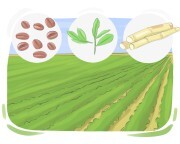
plantation

a large piece of land used for growing sugar cane, coffee, tea, etc., particularly in a hot country

plantation

plantation

Ex: The workers on the plantation often lived in simple housing near the fields. 

Les travailleurs de la plantation vivaient souvent dans des logements simples près des champs.
eventually
eventually
[Adverbe]

after or at the end of a series of events or an extended period

finalement

finalement

Ex: Despite initial setbacks, they eventually succeeded in completing the challenging project. 

Malgré des revers initiaux, ils ont finalement réussi à terminer le projet difficile.

loss
loss
[nom]

the act or process of no longer having someone or something

perte, mort
perte, mort

Ex: They mourned the loss of their home in the fire. 
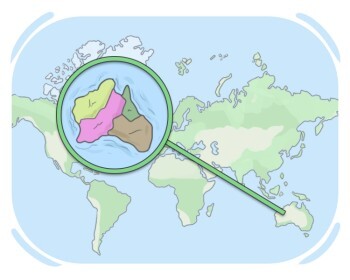
region
region
[nom]

a large area of land or of the world with specific characteristics, which is usually borderless

région

région

Ex: The Mediterranean region is known for its mild climate, beautiful coastlines, and rich cultural heritage. 
to include
to include
[verbe]

to make someone or something become part of something such as a whole

inclure,  comprendre

inclure, comprendre

Ex: The teacher includes interactive activities in the lesson plan. 
policy
policy
[nom]

a set of ideas or a plan of action that has been chosen officially by a group of people, an organization, a political party, etc.

politique

politique

Ex: The company implemented a strict no-smoking policy within its premises. 
to vary
to vary
[verbe]

to differ or deviate from a standard or expected condition

varier, différer

varier, différer

Ex: The temperature in this region varies greatly throughout the year. 
intention

something that one is aiming, wanting, or planning to do

intention

intention

Ex: His intention to travel the world was evident in every conversation, as he shared his plans with anyone who would listen. 
initiative

the first of a series of actions

initiative, première action

initiative, première action

Ex: The first initiative came from a group of local residents. 
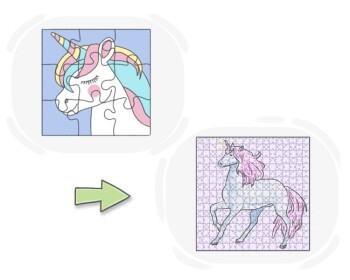
to reverse
to reverse
[verbe]

to change something such as a process, situation, etc. to be the opposite of what it was before

inverser, revenir sur
inverser, revenir sur

Ex: The software update had unintended consequences, forcing the company to reverse the changes. 
complex
complex
[Adjectif]

not easy to understand or analyze

complexe, compliqué

complexe, compliqué

Ex: Solving the mathematical equation proved to be complex, requiring advanced problem-solving skills. 
runoff
runoff
[nom]

the flow of water or substances that drain away from an area of land, often carrying dirt, chemicals, or other materials

ruissellement, écoulement de surface

ruissellement, écoulement de surface

Ex: The soil was eroded by the runoff from the mountain. 

Le sol a été érodé par le ruissellement de la montagne.

to run
to run
[verbe]

(of liquids) to flow

couler, ruisseler

couler, ruisseler

Ex: The stream runs into the lake. 
generation

the process of causing something to exist or appear

génération, production

génération, production

Ex: The campaign resulted in the generation of widespread interest. 
degradation

the process of something becoming worse, weaker, or damaged, especially in quality, condition, or value

dégradation, détérioration

dégradation, détérioration

Ex: The forest has suffered degradation due to logging. 

La forêt a subi une dégradation due à l'exploitation forestière.

towards
towards
[préposition]

used to indicate a person's attitude, opinion, or behavior regarding someone or something

envers, à l'égard de

envers, à l'égard de

Ex: I noticed a change in her behavior towards him after they had an argument. 

J'ai remarqué un changement dans son comportement envers lui après qu'ils aient eu une dispute.

LanGeek
Télécharger l'application LanGeek