
Cambridge IELTS 19 - Akademický - Test 3 - Čtení - Úsek 2 (3)
Zde najdete slovní zásobu z Testu 3 - Čtení - Pasáž 2 (3) v učebnici Cambridge IELTS 19 - Academic, která vám pomůže připravit se na vaši zkoušku IELTS.
Revize
Kartičky
tvary
Pravopis
Kvíz


causing severe damage, destruction, or emotional distress

devastující, ničivý
Hurikán měl devastující dopad na pobřežní město.
particles of solid material that settle at the bottom of a liquid
sediment, usazenina
Archeologové prosívali vrstvy sedimentu, aby odhalili starověké artefakty.

not capable of being seen with the naked eye
neviditelný, nepostřehnutelný
Malé částice prachu byly ve vzduchu neviditelné, dokud nebyly osvětleny slunečním světlem.
the process of obtaining something from a mixture or compound by chemical or physical or mechanical means
extrakce, vytěžení
![to [catch] (on|) fire](https://cdn.langeek.co/photo/61052/thumb/350?type=jpeg "to [catch] (on|) fire")
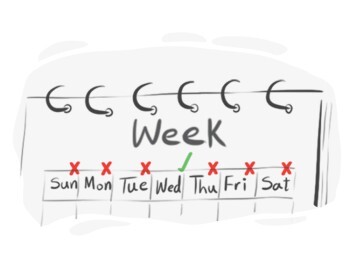
used to refer to something that happens rarely or infrequently
zřídka, málokdy
Ona zřídka sleduje televizi.

to say or feel that someone or something is responsible for a mistake or problem
obviňovat, vinět
Místo převzetí odpovědnosti se pokusil obvinit vnější faktory za své vlastní nedostatky.
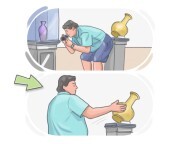
done on purpose
úmyslný, záměrný
Jeho záměrná volba slov vyjadřovala pocit vážnosti.

to begin doing something in order to reach a goal
vydat se, začít
Náš tým se vydal na cestu za objevováním inovativních řešení běžných problémů.
![to [make] a living](https://cdn.langeek.co/photo/61758/thumb/earn/350?type=jpeg "to [make] a living")
to earn an amount of money that enables one to support oneself and pay for one's needs
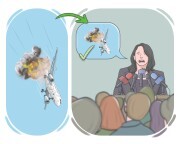
to openly accept something as true or real
uznat, přiznat
Aby byla terapie účinná, je třeba nejprve uznat své pocity a emoce.
to completely understand, acknowledge, or become aware of the existence, validity, or importance of something
rozpoznat, uznat
Rychle poznala potřebu lepší komunikace v týmu.
a way of doing something or dealing with a problem
přístup, metoda
Tým probíral různé přístupy k marketingu produktu.
to regard highly and consider something as important, beneficial, or worthy of appreciation
oceňovat, vážit si
Minulý měsíc vláda ocenila přínos občanů při utváření veřejné politiky.
the capacity to be maintained for a long time and causing no harm to the environment
udržitelnost, trvanlivost
Vzdělávání komunit o udržitelnosti podporuje odpovědné využívání vody.
the cognitive process of reaching a decision
rozhodování, proces rozhodování
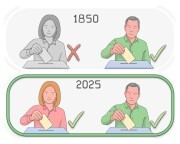
a thing that someone is legally, officially, or morally allowed to do or have
právo, privilégium
Lidská práva zahrnují právo na život, svobodu a bezpečnost.
the potential outcome or destiny of someone or something, often influenced by luck or circumstance
osud, štěstí
Osud dělníků byl spojen s úspěchem továrny.
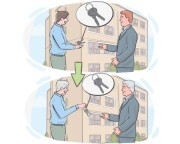
continuing or taking place over a relatively extended duration of time
dlouhodobý, dlouhotrvající
Diskutovali o dlouhodobém dopadu nové politiky na vzdělávání.
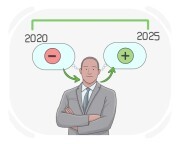
the typical way a person thinks or feels about something or someone, often affecting their behavior and decisions
postoj, myšlení
Postoj může mít velký vliv na týmovou dynamiku.
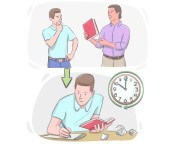
to move from one item or topic to the next in a sequence or discussion
přejít k, pokračovat s
Pokračoval ve výčtu výhod nového produktu.
the fact or condition of being regarded or treated as more important than others
priorita, preference
Bylo mu řečeno, aby se zaměřil na své studium jako na prioritu před mimoškolními aktivitami.
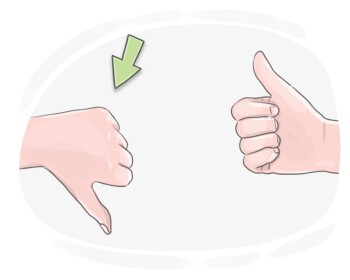
to reject or refute the truth or existence of something
popírat, vyvracet
Konspirační teoretik popřel, že k přistání na Měsíci vůbec došlo, a označil ho za podvod.

in a way that shows carefulness and attention to potential danger, risk, or harm
opatrně, s opatrností
Během debaty opatrně vyjádřil svůj názor.
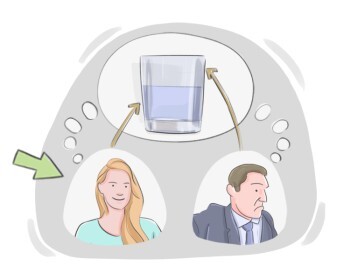
having a hopeful and positive outlook on life, expecting good things to happen
optimistický, plný naděje
Optimističtí investoři i přes rizika nadále vlévali peníze do startupu.
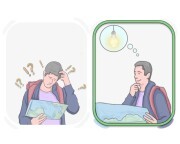
knowledge or understanding of a specific situation, fact, or issue
povědomí, vědomí
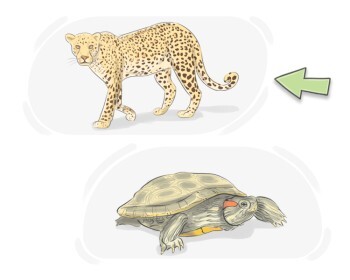
occurring or moving with great speed
rychlý, bystrý
Rychlý růst města vedl k rozvoji města.
the rate or speed at which something progresses or changes
tempo, rychlost
Tempo technologických inovací se v posledním desetiletí rapidně zrychlilo.
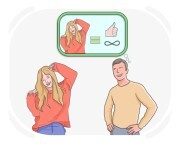
an opinion or feeling that one has about someone or something, particularly one formed unconsciously
dojem
Nemohla se zbavit dojmu, že ho už někde předtím viděla.
a mention or citation of something, often to provide context or support for an idea
odkaz, citace
Použil odkaz ze slovníku, aby vysvětlil termín.

to make sure that something will happen
zajistit, garantovat
Kapitán zajistil bezpečnost cestujících během bouře.
a person or animal that resides in a particular place
obyvatel, rezident
Starověké ruiny byly objeveny současnými obyvateli, což vrhalo světlo na bohatou historii oblasti.
the result obtained when one quantity considered in relation to the whole
poměr
Podíl křesel přidělených každé straně ve volbách byl založen na počtu obdržených hlasů.
to fully understand or recognize the qualities, significance, or worth of something
ocenit, pochopit
Život v zahraničí jí umožnil ocenit pohodlí domova, které považovala za samozřejmost.

to say something about someone or something, without giving much detail
zmínit, uvést
Pokud máte nějaká dietní omezení, prosím uvedte je při rezervaci.
the state of being important or worthy of attention
význam, důležitost
Nepodařilo se jí pochopit skutečný význam varování.
to save something for future use
ukládat, skladovat
Rostliny ukládají živiny ve svých kořenech pro růst na jaře.
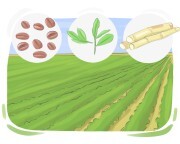
a large piece of land used for growing sugar cane, coffee, tea, etc., particularly in a hot country
plantáž, statek
Plantáž produkovala velké množství cukrové třtiny na vývoz.
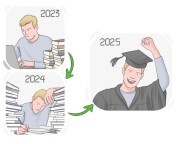
after or at the end of a series of events or an extended period
nakonec, eventuálně
Po letech tvrdé práce nakonec dosáhl svého snu začít podnikat.

the act or process of no longer having someone or something
ztráta, úbytek
Ztráta jejích klíčů způsobila, že přišla pozdě.
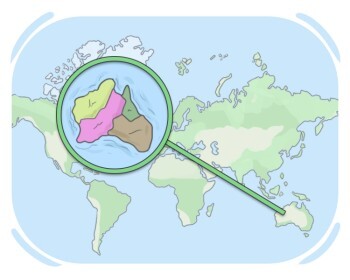
a large area of land or of the world with specific characteristics, which is usually borderless
region, oblast
Amazonský deštný prales je biodiverzitní oblast plná unikátních druhů rostlin a zvířat.
to make someone or something become part of something such as a whole
zahrnout, obsahovat
Výzkumná studie musí zahrnovat účastníky různých etnik.

a set of ideas or a plan of action that has been chosen officially by a group of people, an organization, a political party, etc.
politika
Školský obvod přijal politiku nulové tolerance vůči šikaně.

to differ or deviate from a standard or expected condition
lišit se, měnit se
Výsledky experimentu se výrazně liší od předpokládaných výsledků, což naznačuje nečekané faktory.
something that one is aiming, wanting, or planning to do
záměr, úmysl
Obžalovaný tvrdil, že neměl úmysl porušit zákon, ale důkazy naznačovaly něco jiného.
to change something such as a process, situation, etc. to be the opposite of what it was before
obrátit, změnit
Zpětná vazba spotřebitelů vedla designový tým k obrácení určitých funkcí produktu.
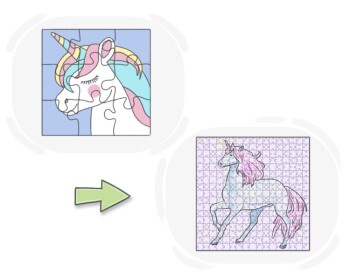
not easy to understand or analyze
složitý, obtížně pochopitelný
Děj románu je spletitý a vysoce složitý.
the flow of water or substances that drain away from an area of land, often carrying dirt, chemicals, or other materials
povrchový odtok, odtok
Staveniště mělo zábrany, aby zabránilo odtoku dosáhnout řeky.
(of liquids) to flow
téci, proudit
Potrubí prasklo a voda začala stékat po stěnách.
the process of causing something to exist or appear
tvorba, výroba
Generování nového obsahu je pro mediální společnosti zásadní.
the process of something becoming worse, weaker, or damaged, especially in quality, condition, or value
degradace, zhoršení
Film ukazuje degradaci přírody lidskou činností.
used to indicate a person's attitude, opinion, or behavior regarding someone or something
k, vůči
Vždy byla soucitná k těm v nouzi.
