pattern

Opinion et Argument - La Formation ou l'expression de l'opinion 1

Ici, vous apprendrez quelques mots anglais liés à l'expression d'opinions tels que "bias", "assert", et "delude".

Réviser

Flashcards

formes

Orthographe

Quiz
Commencer à apprendre
Words Related to Opinion and Argument
to account
to account
[verbe]

to regard someone or something in a particular way

considérer

considérer

Ex: His decision to skip important meetings could not be accounted wise. 

Sa décision de manquer des réunions importantes ne pouvait pas être considérée comme sage.

about-face

a major or complete change in attitude, opinion, or behavior

volte-face

volte-face

according to
according to
[préposition]

in regard to what someone has said or written

selon, d'après

selon, d'après

Ex: According to John's email, the meeting has been rescheduled to Friday. 

Selon l'email de John, la réunion a été reportée à vendredi.
advice
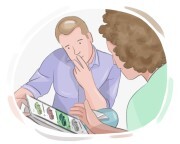
advice
[nom]

a suggestion or an opinion that is given with regard to making the best decision in a specific situation

conseils

conseils

Ex: The lawyer's advice helped him navigate through the complexities of the legal system. 

Les conseils de l'avocat l'ont aidé à naviguer à travers les complexités du système juridique.
to advise
to advise
[verbe]

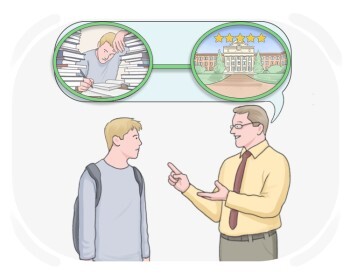
to provide someone with suggestion or guidance regarding a specific situation

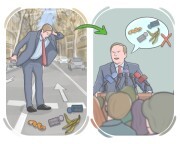
conseiller
conseiller

Ex: Parents often advise their children to make responsible choices and decisions. 

Les parents conseillent souvent à leurs enfants de faire des choix et des décisions responsables.

to air
to air
[verbe]

to share one's thoughts, concerns, complaints, etc. in a public manner

exprimer, mettre sur le tapis

exprimer, mettre sur le tapis

Ex: The employee used the company's feedback session to air his grievances regarding workplace conditions. 

L'employé a utilisé la séance de feedback de l'entreprise pour exprimer ses griefs concernant les conditions de travail.

airing
airing
[nom]

a public expression or discussion of opinions

expression, manifestation

expression, manifestation

to answer for

to explain one's actions or decisions, especially when questioned or challenged

répondre de

répondre de

Ex: When questioned by the press, the spokesperson had to answer for the government's new tax policy. 

Interrogé par la presse, le porte-parole a dû répondre de la nouvelle politique fiscale du gouvernement.

to assert
to assert
[verbe]

to behave confidently in a way that demands recognition of one's opinions

affirmer

affirmer

Ex: Despite her quiet demeanor, she can assert herself when necessary to get her point across. 

Malgré son comportement calme, elle peut s'affirmer quand c'est nécessaire pour faire passer son message.

assertion

a confident and forceful statement of fact or belief

affirmation, assertion

affirmation, assertion

Ex: The politician's assertion about the economy was widely debated. 

L'assertion du politicien sur l'économie a été largement débattue.

assertively
assertively
[Adverbe]

in a way that shows confidence and forcefulness when expressing opinions or needs

avec assurance, fermement

avec assurance, fermement

Ex: He assertively defended his ideas against criticism. 

Il a défendu ses idées avec assurance contre les critiques.

(as|so) far as {sb} [is] concerned

used to express an individual's opinion on a particular matter

à mon avis

à mon avis

Ex: As far as I am concerned, this is the best restaurant in town. 
(as|so) far as {sth} [is] concerned

used to refer to the specific matter or topic being discussed or considered

en ce qui concerne quelque chose, pour ce qui est de quelque chose, à sa connaissance, pour lui, pour elle
en ce qui concerne quelque chose, pour ce qui est de quelque chose, à sa connaissance, pour lui, pour elle

Ex: We've done very badly as far as planning is concerned. 
at length
at length
[Adverbe]

in great detail or for a long time

longuement, en détail

longuement, en détail

Ex: The professor explained the concept at length to ensure understanding. 

Le professeur a expliqué le concept en détail pour assurer la compréhension.

at best
at best
[Phrase]

‌used when you take the most optimistic view, especially in a bad situation

au mieux, dans le meilleur des cas
au mieux, dans le meilleur des cas

to avow
to avow
[verbe]

to publicly state that something is the case

déclarer, confesser

déclarer, confesser

Ex: In the courtroom, the witness avowed the accuracy of their testimony under oath. 

Dans la salle d'audience, le témoin a avoué l'exactitude de son témoignage sous serment.

avowal
avowal
[nom]

an open declaration or affirmation of one’s opinions

declaration

declaration

Ex: She made a bold avowal of her commitment to environmental causes. 

Elle a fait une déclaration audacieuse de son engagement envers les causes environnementales.

to backbite

to talk about someone who is absent in a mean way

médire, calomnier

médire, calomnier

to backpedal

to withdraw or reverse a previously stated opinion to avoid criticism or controversy

faire marche arrière

faire marche arrière

Ex: She seemed confident at first but started to backpedal when challenged. 

Elle semblait confiante au début mais a commencé à reculer lorsqu'elle a été mise au défi.

to backtrack

to change one's opinion, or retract one's statement due to being under pressure

faire marche arrière

faire marche arrière

Ex: Realizing the implications of his initial claim, the spokesperson had to backtrack and issue a public apology. 

Réalisant les implications de sa déclaration initiale, le porte-parole a dû revenir en arrière et présenter des excuses publiques.

badly
badly
[Adverbe]

in a way that shows negative opinion or judgment

mauvais

mauvais

Ex: They spoke badly of the mayor. 

Ils ont parlé mal du maire.

basically
basically
[Adverbe]

used to state one's opinion while emphasizing or summarizing its most important aspects

en gros

en gros

Ex: Basically, we’re trying to improve the user experience on our website. 

Fondamentalement, nous essayons d'améliorer l'expérience utilisateur sur notre site web.
bias
bias
[nom]

a prejudice that prevents fair consideration of a situation

parti pris, penchant pour, attirance pour
parti pris, penchant pour, attirance pour

Ex: Confirmation bias can cause people to ignore evidence that contradicts their beliefs. 

Le biais de confirmation peut amener les gens à ignorer les preuves qui contredisent leurs croyances.

to bias
to bias
[verbe]

to unfairly influence or manipulate something or someone in favor of one particular opinion or point of view

influencer

influencer

Ex: It's important to avoid biasing the experiment by introducing preconceived notions. 

Il est important d'éviter d'influencer (biaiser) l'expérience en introduisant des notions préconçues.

to budge
to budge
[verbe]

to change one's opinion or decision after some pressure

céder, changer d'avis

céder, changer d'avis

Ex: After a long discussion, she finally budged and agreed to help. 

Après une longue discussion, elle a finalement cédé et a accepté d'aider.

to [blow] hot and cold

to change one's opinions about something often and quickly, sometimes being enthusiastic and other times indifferent or negative

changer d'avis sans cesse, hésiter souvent

changer d'avis sans cesse, hésiter souvent

Ex: She blows hot and cold on the project, sometimes eager, sometimes uninterested. 

Elle change souvent d'avis sur le projet, parfois enthousiaste, parfois indifférente.

to [call] a spade a spade

to talk about something in a completely open and direct way

appeler un chat un chat, parler sans détour

appeler un chat un chat, parler sans détour

Ex: I appreciate her honesty; she always calls a spade a spade, even if the truth is uncomfortable. 

Elle a appelé un chat un chat et dit que la proposition n'était pas réaliste.

to [change] {one's} mind

to change one's opinion or decision regarding something

changer d'avis, se raviser

changer d'avis, se raviser

Ex: She changed her mind and decided not to sell the house. 

Elle a changé d'avis et a décidé de ne pas vendre la maison.

to [change] {one's} tune

to change one's opinion, attitude, or way of speaking, usually to something very different from before

changer de discours, retourner sa veste

changer de discours, retourner sa veste

Ex: He was against the idea at first, but he changed his tune after hearing the benefits. 

Elle disait que le travail était facile, puis elle a changé de discours après sa première semaine.

chickenshit

petty, cowardly behavior, excuses, or actions

couardise mesquine, comportement lâche

couardise mesquine, comportement lâche

Ex: That policy is unnecessary chickenshit meant to avoid risk. 

Cette politique est une connerie inutile destinée à éviter les risques.

to come around

to completely change one's decision or opinion

changer d'avis

changer d'avis

Ex: At first, he was against the idea, but eventually, he came around and supported it. 

Au début, il était contre l'idée, mais finalement, il a changé d'avis et l'a soutenue.

to come out

to express if one is for or against an idea or arguement

sortir

sortir

Ex: When discussing the new project, it's important for everyone to come out and share their thoughts and perspectives. 

Lors de la discussion sur le nouveau projet, il est important que tout le monde s'exprime et partage ses idées et perspectives.

to come over

to completely change one’s point of view or side

passer à, changer d'avis

passer à, changer d'avis

Ex: She used to be a staunch supporter of the previous policy, but after analyzing the data, she came over to the opposing side and now believes in the need for change. 

Elle était autrefois une fervente partisane de l'ancienne politique, mais après avoir analysé les données, elle a changé de camp et croit maintenant en la nécessité d'un changement.
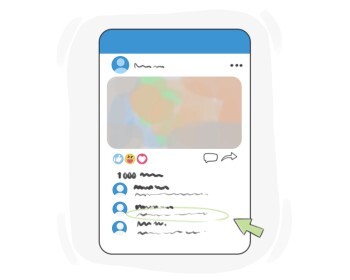
comment
comment
[nom]

a spoken or written remark that expresses an opinion or reaction

commentaire

commentaire

Ex: I always read the comments to see what others think about the article. 

Je lis toujours les commentaires pour voir ce que les autres pensent de l'article.

to comment
to comment
[verbe]

to express one's opinion about something or someone

faire des commentaires sur

faire des commentaires sur

Ex: Viewers were encouraged to watch the video and comment on their favorite parts or share their thoughts. 

Les spectateurs étaient encouragés à regarder la vidéo et à commenter leurs parties préférées ou à partager leurs réflexions.

to confer
to confer
[verbe]

to exchange opinions and have discussions with others, often to come to an agreement or decision

consulter, s'entretenir avec

consulter, s'entretenir avec

Ex: Before making any changes, the project team decided to confer with all stakeholders to ensure everyone was on the same page. 

Avant d'apporter des modifications, l'équipe du projet a décidé de conférer avec toutes les parties prenantes pour s'assurer que tout le monde était sur la même longueur d'onde.

{one's} considered opinion

one’s final verdict after giving a subject adequate attention and considerable amount of thought

considération, contemplation

considération, contemplation

to convert
to convert
[verbe]

to persuade someone to adopt new ideas, principles, or methods

convertir, convaincre

convertir, convaincre

Ex: The innovative entrepreneur aimed to convert traditional businesses to digital technology. 

L'entrepreneur innovant visait à convertir les entreprises traditionnelles à la technologie numérique.

to convert
to convert
[verbe]

to adopt a new set of principles, ideas, or methods

convertir, se convertir

convertir, se convertir

Ex: The company underwent a major transformation as it converted to a more sustainable business model. 

L'entreprise a subi une transformation majeure alors qu'elle convertissait à un modèle commercial plus durable.

declamation

a strong statement or a piece of writing that expresses certain feelings and opinions

déclamation, harangue, discours

déclamation, harangue, discours

Ex: The social activist's declamation against injustice stirred emotions and inspired many to join the cause. 

La déclamation de l'activiste social contre l'injustice a ému les esprits et inspiré beaucoup à se joindre à la cause.

declamatory
declamatory
[Adjectif]

expressing one's feelings in a dramatic and forceful way

déclamatoire

déclamatoire

Ex: During the debate, the debater used declamatory gestures and forceful arguments to assert their viewpoint. 

Pendant le débat, le débatteur a utilisé des gestes déclamatoires et des arguments puissants pour affirmer son point de vue.
to deduce
to deduce
[verbe]

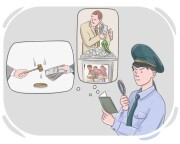
to determine by a process of logical reasoning

déduire, conclure

déduire, conclure

Ex: Scientists deduced the presence of a new planet based on anomalies in the observed data. 

Les scientifiques ont déduit la présence d'une nouvelle planète en se basant sur des anomalies dans les données observées.
to deem
to deem
[verbe]

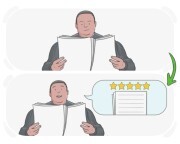
to consider in a particular manner

considérer, estimer

considérer, estimer

Ex: The court deemed the evidence insufficient to support the case. 

Le tribunal a estimé que les preuves étaient insuffisantes pour soutenir l'affaire.

to delude
to delude
[verbe]

to deceive someone into believing something that is not true, often by creating false hopes or illusions

tromper, leurrer

tromper, leurrer

Ex: She was deluded by her own optimism and didn’t prepare for the worst-case scenario. 

Elle a été trompée par son propre optimisme et ne s'est pas préparée au pire scénario.

delusion

a reinforced false belief or opinion that someone has

illusion

illusion

to discuss
to discuss
[verbe]

to talk or write about a topic in detail, considering different opinions and aspects

discuter de

discuter de

Ex: At the town hall meeting, community members discussed the proposed development plan. 

Lors de la réunion municipale, les membres de la communauté ont discuté du plan de développement proposé.

discussion

an act or process of talking and sharing ideas in order to reach a decision or conclusion

discussion

discussion

Ex: The discussion on environmental policies was heated. 

La discussion sur les politiques environnementales a été animée.

dogmatically
dogmatically
[Adverbe]

in a critical and arrogant manner therefore refusing to consider other's opinions

de manière dogmatique, dogmatiquement

de manière dogmatique, dogmatiquement

double entendre

a phrase or word that intentionally conveys two distinct meanings, usually with one sexual connotation

double sens, sous-entendu

double sens, sous-entendu

LanGeek
Télécharger l'application LanGeek