
Cambridge IELTS 17 - Academic - Test 1 - Lecture - Passage 3 (1)
Apprenez le vocabulaire de la première partie du Cambridge IELTS 17 Academic, Test 1, Reading Passage 3, avec des mots et expressions utiles du texte.
Réviser
Flashcards
formes
Orthographe
Quiz
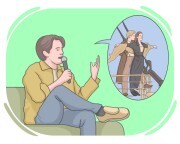
to share personal opinions about a book, movie, or media to inform and provide insights into its strengths and weaknesses

faire la critique de

a war that is between people who are in the same country
guerre civile
La guerre civile anglaise au XVIIe siècle a opposé les partisans du Parlement à ceux fidèles à la monarchie.
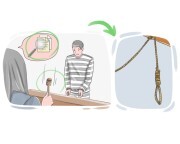
to kill someone as a legal punishment
exécuter
a person elected to the British Parliament, specifically to the House of Commons
parlementaire, député
De nombreuses personnes dans le district ont montré un fort soutien pour leur parlementaire local.
a fundamental belief or guideline based on what is morally right that influences one's actions and decisions
principe
to engage in a negotiation or agreement, often in a business context, to reach mutually beneficial terms

someone who is from Scotland
écossais, écossaise
Elle est une Écossaise fière qui parle souvent de son héritage écossais.
used to indicate an action, item, or favor given or done as a compensation for something else
en échange de, en retour de
Il a reçu une promotion en retour de son travail acharné.
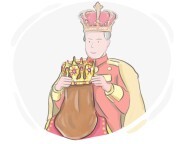
to place a crown on someone's head in a ceremony so that person officially becomes a king or queen
couronner
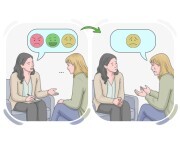
to cause or encourage someone to say, think, or do something
provoquer
relating to a form of government where the legislature, known as parliament, has significant control over making laws and monitoring the government
parlementaire
Les débats parlementaires jouent un rôle crucial dans la formation des politiques et des décisions gouvernementales.
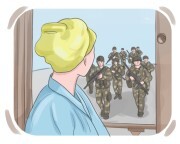
to enter a territory using armed forces in order to occupy or take control of it
envahir
Historiquement, les empires cherchaient souvent à envahir et à étendre leurs territoires.
a surprise attack that is launched in order to prevent the enemy from doing it to you
frappe préventive, attaque préemptive
the act of entering another country or territory by military force, especially in order to occupy or control it
invasion

a piece of land covered in grass and sometimes wild flowers, often used for hay
prairie
Les vaches mangeaient de l'herbe dans le pré.
someone or something that is being described, discussed, or dealt with
sujet
an organized search by police for a person wanted for a crime
chasse à l'homme, recherche policière
Une chasse à l'homme à l'échelle nationale a été lancée après le braquage.
to get away from or avoid someone or something, often using cleverness or deceit
esquiver, éviter
Le fugitif a échappé à la capture pendant des années en changeant constamment son identité.
a safe or secure place, often emphasizing security or sanctuary
refuge, abri
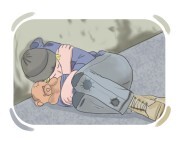
having no money or financial resources
sans le sou, fauché
La famille sans le sou dépendait des banques alimentaires pour nourrir ses enfants.
to travel or move around without a definite purpose, destination, or direction
errer, vagabonder
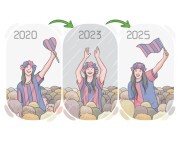
showing firm and constant support to a person, organization, cause, or belief
loyal
Malgré les offres des entreprises concurrentes, il est resté fidèle à son employeur, valorisant les relations qu'il avait construites au fil des années.
the reestablishment of the English monarchy under Charles II in 1660
Restauration
someone who keeps a diary, especially for the purpose of publication
auteur d'un journal intime, diariste
something that one is aiming, wanting, or planning to do
intention

very unusual, remarkable, or surprising
extraordinaire
a particular event or group of related events forming part of a larger sequence or experience
épisode, cas
to narrate or recount a story, event, or series of events
raconter, relater
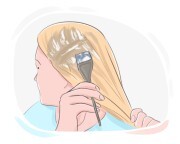
to change the color of something using a liquid substance
teindre
Le week-end dernier, ils ont teint des œufs de Pâques avec diverses couleurs.
to conduct a thorough search of a place, text, or area in order to find something
fouiller, passer au peigne fin
Il a fouillé les étagères de la bibliothèque pour trouver le livre rare dont il avait besoin.
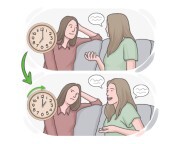
to extend in time, length, or duration, often longer than necessary
prolonger, allonger la durée
Les négociations ont été prolongées en raison de désaccords sur des questions clés.
absurd and contrary to common sense
absurde, grotesque, ridicule
Son affirmation qu'il pouvait parler à des extraterrestres a été rejetée comme absurde par les scientifiques.
to select a new title, place, or practice in place of a former one
adopter, choisir
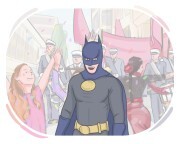
clothing, makeup, or other means used to alter someone's appearance and conceal their identity
déguisement
used to give the reason for something
au motif que, pour la raison que
L'avocat a objecté au motif que la preuve était hors de propos.
the quality of being worthy of respect, or a person's sense of their own worth and self-respect
dignité, respect
(psychology) a strong feeling of stress or pressure
tension
the state or fact of existing or occurring somewhere
présence, existence
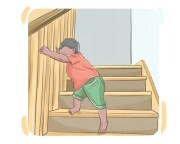
in a way that shows carefulness and attention to potential danger, risk, or harm
prudemment, avec précaution
Il ouvrit prudemment le paquet mystérieux.
having abandoned harmful or morally wrong behavior and adopted better conduct
repenti, amendé
a Christian who belongs to a church or tradition that developed from the Reformation
protestant, protestante

to shock or horrify someone, causing them to feel alarmed or deeply unpleasantly surprised
consterner, horrifier
La nouvelle des licenciements imminents a consterné les employés, qui craignaient pour leurs emplois.
the act of putting someone to death as a legal punishment
exécution
in a resolute, determined, or unwavering manner, often indicating certainty or strength of conviction
fermement, résolument
Il a fermement maintenu son opinion, même lorsque les autres n'étaient pas d'accord.
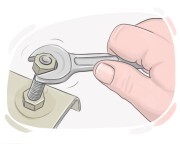
to fasten or secure something with one or more bolts
boulonner, visser
the front of a military formation or procession
tête, avant
the act of entering another country or territory by military force, especially in order to occupy or control it
invasion
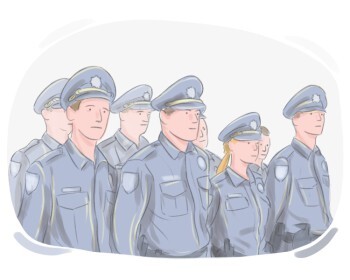
a group of trained and organized people such as the police, soldiers, etc.
force

reckless or dangerous because of extreme distress or hopelessness
prêt à tout
the first of a series of actions
initiative, première action
a group of people organized together because they share similar interests or goals
ordre, confrérie
the medieval principles governing knighthood and knightly conduct
chevalerie, code chevaleresque
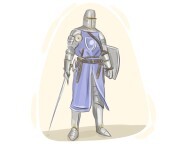
in medieval Europe, a mounted warrior of recognized military and social rank who served a king or lord
chevalier

to represent someone or something in a picture, painting, drawing, or other visual artwork
représenter

a piece of specially prepared cloth on which an artist paints
toile
a person who is actively avoiding capture or is being pursued by law enforcement authorities due to legal charges or criminal activity
fugitif, fuyard
Après s'être échappé de prison, le fugitif a échappé à la police pendant plusieurs semaines.
one who holds or guards secrets
gardien des secrets, dépositaire des secrets
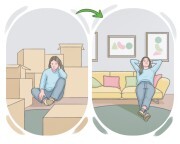
to find a place to live and embrace a more stable and routine way of life
s'installer, se poser
La tribu nomade a finalement pris racine, construisant des habitations permanentes.
an incident or event, either real or imagined, that is depicted or described with specific details and context
scène, tableau
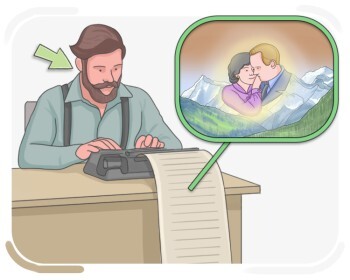
someone whose job is to write the story of a movie, play, TV show, etc.
scénariste
Un scénariste compétent sait comment créer des personnages captivants.
to begin an activity, process, or event
commencer, débuter
a story or account describing a series of events
récit

related to the practice or science of farming
agricole
De nombreuses communautés rurales dépendent fortement des activités agricoles pour leurs moyens de subsistance.
a gardening tool closely resembling scissors as it is made of two large blades that cross each other, used for cutting grass, bushes, and hedges
cisaille, cisailles
to write down thoughts, plans, or ideas so they are recorded and can be remembered, shared, or used later
Il est préférable de mettre par écrit les instructions importantes.
the act or period of remaining in a seated position
position assise, fait d'être assis
a version of a story or event that has been told again, often with changes in style, details, or point of view
restitution, remaniement
Chaque remaniement ajoute une nouvelle signification à l'histoire.
in a state or condition of progression or occurrence
moving from one place to another in an attempt to not get caught or arrested
en fuite, essayant de ne pas se faire attraper
Le braqueur de banque est en fuite depuis le braquage vendredi dernier.
