
Cambridge IELTS 17 - Akademický - Test 1 - Čtení - Úryvek 3 (1)
Zde najdete slovní zásobu z Testu 1 - Čtení - Pasáž 3 (1) v učebnici Cambridge IELTS 17 - Academic, která vám pomůže připravit se na vaši zkoušku IELTS.
Revize
Kartičky
tvary
Pravopis
Kvíz
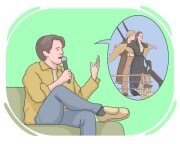
to share personal opinions about a book, movie, or media to inform and provide insights into its strengths and weaknesses

recenzovat, kritizovat
Webová stránka umožňuje uživatelům recenzovat knihy a zanechat komentáře.

a war that is between people who are in the same country
občanská válka, vnitřní konflikt
Občanské války obvykle vznikají z vnitřních konfliktů kvůli politickým, sociálním nebo ekonomickým rozdílům v rámci národa.
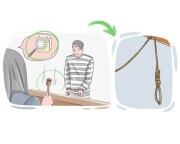
to kill someone, especially as a legal penalty
popravit, vykonat trest smrti
Mezinárodní organizace pro lidská práva často odsuzují vlády, které popravují jednotlivce bez spravedlivého soudu nebo řádného právního zastoupení.
a person elected to the British Parliament, specifically to the House of Commons
parlamentář, poslanec
Nový parlamentní přednesl svůj první projev ve Sněmovně reprezentantů s jistotou.
a fundamental belief or guideline based on what is morally right that influences one's actions and decisions
princip
Upřímnost je klíčovým principem v jeho přístupu k obchodním i osobním vztahům.
to engage in a negotiation or agreement, often in a business context, to reach mutually beneficial terms
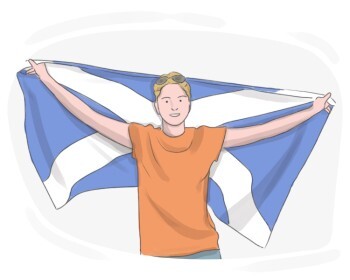
someone who is from Scotland
Skot, Osoba ze Skotska
Při túře v Highlands potkal přátelského Skota.
used to indicate an action, item, or favor given or done as a compensation for something else
výměnou za, na oplátku za
Nabídla svou pomoc výměnou za jejich podporu.
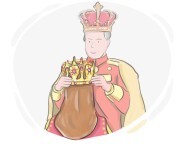
to place a crown on someone's head in a ceremony so that person officially becomes a king or queen
korunovat
Občané netrpělivě očekávali okamžik, kdy bude princ korunován jako právoplatný dědic trůnu.
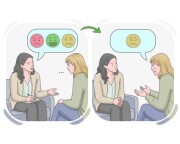
to encourage someone to do or say something
pobízet, povzbuzovat
relating to a form of government where the legislature, known as parliament, has significant control over making laws and monitoring the government
parlamentní, vztahující se k parlamentu
Parlamentní zasedání začíná úvodním projevem hlavy státu nebo vlády.
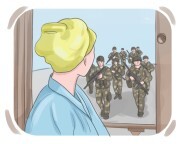
to enter a territory using armed forces in order to occupy or take control of it
vtrhnout, vojensky obsadit
Vlády po celém světě v současné době zvažují, zda napadnout nebo usilovat o diplomatická řešení.
a surprise attack that is launched in order to prevent the enemy from doing it to you
preventivní úder, preventivní útok
the act of invading or entering a territory, country, or region by force or without permission, often with the intent to control or dominate the area and its inhabitants
invaze, vpád
Historická invaze Římské říše přetvořila evropskou krajinu.
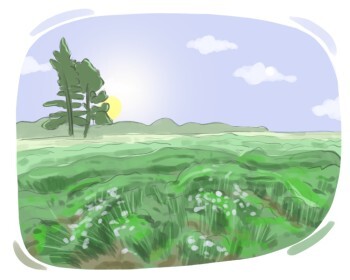
a piece of land covered in grass and sometimes wild flowers, often used for hay
louka, pastvina
Chráněná louka podporuje mnoho druhů hmyzu a ptáků.
someone or something that is being described, discussed, or dealt with
předmět, téma
Jeho oblíbený předmět ve škole byla historie, protože miloval učení se o minulosti.
an organized search by police for a person wanted for a crime
lov na člověka, policistické pátrání
Obyvatelé byli varováni, aby zůstali uvnitř během honu na člověka.
to get away from or avoid someone or something, often using cleverness or deceit
vyhnout se, uniknout
Hackeři obešli bezpečnostní protokoly systému a získali přístup nepozorovaně.
a safe or secure place, often emphasizing security or sanctuary
útočiště, azyl
Park byl útočištěm pro místní divokou přírodu.
having no money or financial resources
bez halíře, na mizině
Bez halíře imigrant tvrdě pracoval, aby pro svou rodinu vybudoval lepší život.
to travel around without a clear purpose or direction, often covering a large area
toulat se, bloudit
Poté, co se jeho auto porouchalo na poušti, toulal se, doufaje, že najde známku civilizace.
showing firm and constant support to a person, organization, cause, or belief
věrný, loajální
Věrný společník nikdy nezakolísal ve své oddanosti ke svému pánovi, nabízel bezpodmínečnou lásku a přátelství.
the reinstatement of the monarchy in England, particularly the return of King Charles II to the throne in 1660
Restaurace, obnovení monarchie
Politika Karla II. během Restaurace měla za cíl stabilizovat národ po letech politických otřesů.
someone who keeps a diary, especially for the purpose of publication
deníkář, pamětník
something that one is aiming, wanting, or planning to do
záměr, úmysl
Obžalovaný tvrdil, že neměl úmysl porušit zákon, ale důkazy naznačovaly něco jiného.

remarkable or very unusual, often in a positive way
mimořádný, výjimečný
Vědec učinil mimořádný objev, který znamenal revoluci v oblasti medicíny.
any of the separate events or series of events occurring in a sequence
epizoda
to narrate or recount a story, event, or series of events
vyprávět, vylíčit
V dokumentu přeživší vyprávějí o svých zkušenostech a nabízejí přímý popis dopadu přírodní katastrofy na jejich životy.

to change the color of something using a liquid substance
barvit, obarvit
Někteří lidé raději barví své šedé vlasy, než aby je nechali přirozené.
to conduct a thorough search of a place, text, or area in order to find something
prohledat, pročesat
Prohledal staré záznamy při hledání historie své rodiny.
to extend in time, length, or duration, often longer than necessary
protahovat, prodlužovat
Dotazovaný měl tendenci protahovat odpovědi, rozvíjejíc každou odpověď anekdotami a vysvětleními.
absurd and contrary to common sense
absurdní, směšný
Myšlenka, že sloni mohou létat, je nesmyslná a odporuje všem známým fyzikálním zákonům.
to select a new title, place, or practice in place of a former one
přijmout, zvolit
Rozhodla se přijmout nové rodné město a plně přijala jeho komunitní kulturu.
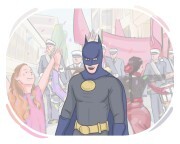
any item that is worn to change or alter the appearance or to hide someone's identity
převlek, maskování
used to give the reason for something
z důvodu, že
Byl zproštěn povinnosti porotce na základě toho, že měl zdravotní stav.
the quality of being worthy of respect and honor, which can be attributed to a person's behavior, actions, or sense of self-worth
důstojnost
(psychology) a strong feeling of stress or pressure
napětí
Debaty na sociálních sítích prosperují díky vyrobenému napětí a rozhořčení.
the state of being present; current existence
přítomnost, současná existence
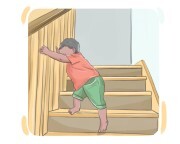
in a way that shows carefulness and attention to potential danger, risk, or harm
opatrně, s opatrností
Během debaty opatrně vyjádřil svůj názor.
caused to abandon an evil manner of living and follow a good one
reformovaný, kajícný
a person who follows or adheres to Protestantism
protestant, protestantka
Protestanti často zdůrazňují individuální výklad Písma.

to shock or horrify someone, causing them to feel alarmed or deeply unpleasantly surprised
šokovat, děsit
Grafické snímky nehody šokovaly svědky, zanechávajíce je zděšené.
the act of punishing a criminal by death
poprava
Poprava politických vězňů vyvolala mezinárodní odsouzení ze strany lidskoprávních organizací.
in a resolute, determined, or unwavering manner, often indicating certainty or strength of conviction
pevně, rozhodně
Vláda důrazně prosadila nové předpisy, aby zajistila dodržování.
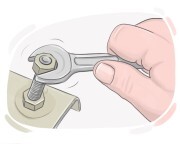
to secure things together by using a metal pin that fits into a corresponding metal hole
přišroubovat, upevnit šrouby
Kovář odborně přišrouboval těžkou bránu k jejímu rámu, čímž zajistil stabilitu.
the act of invading or entering a territory, country, or region by force or without permission, often with the intent to control or dominate the area and its inhabitants
invaze, vpád
Historická invaze Římské říše přetvořila evropskou krajinu.
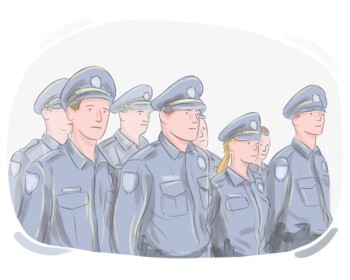
a group of trained and organized people such as the police, soldiers, etc.
síla
Mírové síly byly vyslány do oblasti zničené válkou, aby pomohly stabilizovat oblast a poskytnout humanitární pomoc.

(of people) behaving dangerously or aggressively due to the circumstances
beznadějný, v zoufalství
Policie vydala varování o zoufalém uprchlíkovi, který byl považován za ozbrojeného a nebezpečného.
a group of people organized together because they share similar interests or goals
řád, bratrstvo
Politický řád prosazoval sociální spravedlnost a rovnost mezi marginalizovanými skupinami.
the medieval principles governing knighthood and knightly conduct
rytířství, rytířský kodex
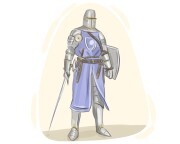
(in the Middle Ages) a man of high social rank, wearing armor and riding a horse, who is loyal to his king
rytíř, paladin
Sir Lancelot je jeden z nejslavnějších rytířů artušovské legendy.

to represent or show something or someone by a work of art
zobrazovat, popisovat
Vitrážové okno v kostele zobrazuje náboženské scény z Bible.

a piece of cloth that artists paint on, especially with oil paints
plátno, malířské plátno
Když stál před prázdným plátnem, umělec pocítil příval inspirace, dychtivý přenést své emoce na látku každým tahem štětce.
a person who is actively avoiding capture or is being pursued by law enforcement authorities due to legal charges or criminal activity
uprchlík, hledaný
Uprchlík používal falešné identity, aby zůstal skrytý při přesunu z města do města.
one who holds or guards secrets
strážce tajemství, depozitář tajemství
Starý svitek byl svěřen tajemníkovi k uschování.
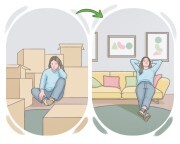
to find a place to live and embrace a more stable and routine way of life
usadit se, zabydlet se
Plánuje se usadit na venkově po odchodu do důchodu.
an incident or event, either real or imagined, that is depicted or described with specific details and context
scéna, obraz
Autonehoda vytvořila chaotickou scénu na rušné dálnici.
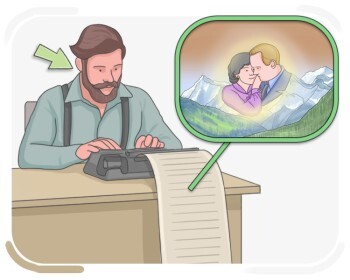
someone whose job is to write the story of a movie, play, TV show, etc.
scenárista, autor scénáře
Scénárista vytvořil poutavý příběh pro nové dramatické série.
to start an action or event
začít, zahájit
Dirigent začal koncert zvednutím taktovky.
a story or an account of something especially one that is told in a movie, novel, etc.
vyprávění, příběh
Vytvořil vyprávění, které hladce propojovalo historii s fikcí.

related to the practice or science of farming
zemědělský, agrární
Udržitelné zemědělské metody si kladou za cíl minimalizovat dopad na životní prostředí a zároveň maximalizovat produktivitu.
a gardening tool closely resembling scissors as it is made of two large blades that cross each other, used for cutting grass, bushes, and hedges
nůžky na živý plot, zahradní nůžky
to write down thoughts, plans, or ideas so they are recorded and can be remembered, shared, or used later
Než zapomněl podrobnosti, převedl plán na papír.
a version of a story or event that has been told again, often with changes in style, details, or point of view
převyprávění, verze
Tato kniha je převyprávění slavné bitvy z pohledu vojáka.
in a state or condition of progression or occurrence
moving from one place to another in an attempt to not get caught or arrested
na útěku, snaží se vyhnout chycení
Podezřelý je na útěku už přes týden.
