

pattern

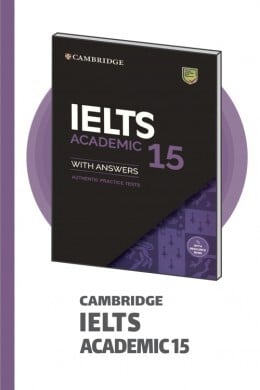
Cambridge IELTS 15 - Académique - Test 3 - Écoute - Partie 3

Ici, vous pouvez trouver le vocabulaire du Test 3 - Écoute - Partie 3 dans le manuel Cambridge IELTS 15 - Academic, pour vous aider à préparer votre examen IELTS.

Réviser

Flashcards

formes

Orthographe

Quiz

Commencer à apprendre
Cambridge IELTS 15 - Academic
assignment

a task given to a student to do

devoir

devoir

Ex: The teacher handed out a challenging assignment on algebraic equations. 
to go about

to continue or start an activity

se mettre à faire [qch]

se mettre à faire [qch]

Ex: After the interruption, they decided to go about their work to meet the project deadline. 
coverage

the reporting of specific news or events by the media

couverture

couverture

Ex: The news coverage of the event was extensive and detailed. 
editor
editor
[nom]

someone who is in charge of a newspaper agency, magazine, etc. and decides what should be published

rédacteur en chef, rédactrice en chef

rédacteur en chef, rédactrice en chef

Ex: The editor reviewed the articles submitted by journalists before publication. 
column
column
[nom]

a section of a newspaper or magazine that regularly publishes articles about a particular subject

rubrique

rubrique

Ex: The sports column provides updates and commentary on local teams. 
headline

the large words in the upper part of a page of a newspaper, article, etc.

gros titre, manchette

gros titre, manchette

Ex: The headline of today's newspaper reads, "Major Earthquake Strikes the City." 
graphics

the designs, pictures or drawings that are used in publications

arts graphiques

arts graphiques

to [bear] in mind

to remember or consider a particular piece of information or advice

Ex: When you invest in the stock market, bear in mind that prices can be volatile. 
journalist

someone who prepares news to be broadcast or writes for newspapers, magazines, or news websites

journaliste

journaliste

Ex: A journalist must always verify the facts before writing a story. 
conflicting
conflicting
[Adjectif]

showing opposing ideas or opinions that do not agree, causing confusion or disagreement

contradictoire, divergent

contradictoire, divergent

Ex: The two witnesses provided conflicting accounts of the accident, making it difficult for investigators to determine what truly happened. 
misleading
misleading
[Adjectif]

intended to give a wrong idea or make one believe something that is untrue

peu clair, erroné

peu clair, erroné

Ex: The advertisement contained misleading information about the effectiveness of the weight loss product. 
to work out

to find a solution to a problem

trouver, élaborer

trouver, élaborer

Ex: We must work out a solution to the budgetary issues before moving forward. 
to relate
to relate
[verbe]

to be linked or connected in a cause-and-effect relationship

relier, être lié

relier, être lié

Ex: The rise in global temperatures relates directly to increased carbon emissions from human activities. 
to accompany

to happen or exist alongside something else or at the same time

accompagner, être accompagné de

accompagner, être accompagné de

Ex: The thunder accompanied the lightning, creating a dramatic storm. 
prominent
prominent
[Adjectif]

standing out clearly or easily noticeable

proéminent, remarquable

proéminent, remarquable

Ex: The prominent building stood out in the city skyline. 
advice
advice
[nom]

a suggestion or an opinion that is given with regard to making the best decision in a specific situation

conseils

conseils

Ex: She sought her grandmother's advice before making a major career decision. 
media studies

an academic discipline that examines the production, consumption, and effects of various forms of media, including television, film, digital media, and journalism

études des médias, sciences de l'information et de la communication

études des médias, sciences de l'information et de la communication

Ex: Sarah enrolled in media studies to explore the influence of social media on public discourse and political engagement. 
to inform
to inform
[verbe]

to give information about someone or something, especially in an official manner

informer

informer

Ex: The teacher informed the students about the upcoming exam schedule and its format. 
controversy

a strong disagreement or argument over something that involves many people

controverse

controverse

Ex: The new policy sparked a controversy among community members. 
gosh
gosh
[Interjection]

used to express surprise, amazement, or mild emphasis without swearing

Mon Dieu, Oh là là

Mon Dieu, Oh là là

Ex: Gosh, I didn't know you could play the piano so well. 
assumption

an idea or belief that one thinks is true without having a proof

supposition, hypothèse

supposition, hypothèse

Ex: His assumption about the meeting time was incorrect. 
to patronize

to speak or behave in a way that implies that one is more knowledgeable, experienced, or intelligent than the other person

traiter avec condescendance

traiter avec condescendance

Ex: I feel she is patronizing me by her constant attempts to explain things to me as if I'm incapable of understanding. 
to present
to present
[verbe]

to show or portray someone or something, often to convey a specific image

présenter, montrer

présenter, montrer

Ex: The company revamped its logo to present a more modern and innovative image. 
to cover
to cover
[verbe]

to provide a report on or talk about an event in a news piece or media

être correspondant, couvrir

être correspondant, couvrir

Ex: The journalist covered the presidential inauguration, providing live updates throughout the day. 
basis
basis
[nom]

the underlying principles that serve as the foundation upon which something is initiated, developed, calculated, or explained

fondement, base

fondement, base

Ex: The researcher built his theory on the basis of numerous experiments and verifiable data. 
to analyze
to analyze
[verbe]

to examine or study something in detail in order to explain or understand it

analyser

analyser

Ex: The scientist needed to analyze the data to draw meaningful conclusions from the experiment. 
keen
keen
[Adjectif]

having a strong enthusiasm, desire, or excitement for something or someone

passionné

passionné

Ex: She was keen to dive into the new book series, devouring each novel with gusto. 
explicitly
explicitly
[Adverbe]

in a manner that is direct and clear

explicitement, clairement

explicitement, clairement

Ex: The instructions were explicitly outlined in the manual. 
editorial

a newspaper article expressing the views of the editor on a particular subject

éditorial

éditorial

Ex: The editorial argued for more investment in public transportation. 
terribly
terribly
[Adverbe]

to a very great extent in a negative or distressing way

terriblement, affreusement

terriblement, affreusement

Ex: Your father misses you terribly. 
treatment

an action that is done to relieve pain or cure a disease, wound, etc.

traitement

traitement

Ex: After the accident, he underwent extensive treatment to recover from his injuries and regain mobility. 
to consider

to regard someone or something in a certain way

considérer

considérer

Ex: They consider it a tradition to celebrate Thanksgiving together. 
broad
broad
[Adjectif]

covering a wide scope without focusing on specifics

large, vaste

large, vaste

Ex: The professor gave a broad overview of the topic, leaving the detailed analysis for later lectures. 
picture
picture
[nom]

a situation treated as an observable object

tableau, scène

tableau, scène

funding
funding
[nom]

the act of providing money or capital to support a project, organization, or activity

financement, subvention

financement, subvention

Ex: The university depends on funding to maintain its facilities. 
LanGeek
Télécharger l'application LanGeek