
Kosakata Lanjutan untuk TOEFL - Perasaan dan Emosi
Di sini Anda akan mempelajari beberapa kata dalam bahasa Inggris tentang perasaan dan emosi, seperti "membatu", "benci", "jijik", dll. yang diperlukan untuk ujian TOEFL.
Tinjauan
Kartu flash
bentuk
Ejaan
Kuis

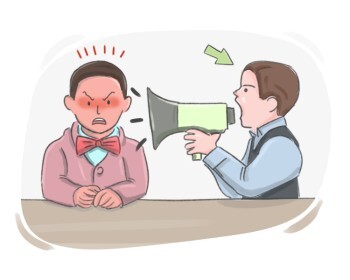
to make someone feel annoyed, anxious, or angry

mengganggu, menjengkelkan
Kebisingan konstan dari lokasi konstruksi mengganggu para penghuni.
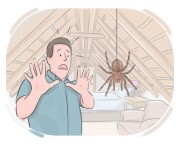
to make someone so frightened that they cannot move or speak
membatu, terkunci ketakutan
Teriakan menakutkan di rumah berhantu itu membuat beku para pengunjung, membuat mereka tidak bisa berkata-kata.

to bring shame or dishonor on oneself or other people
memalukan, menghinakan
Tindakan korup politisi itu memalukan seluruh pemerintah.

to greatly shock or surprise someone
mengherankan, menakjubkan
Bakat menyanyinya yang luar biasa mengherankan semua orang di pertunjukan bakat, membuatnya mendapat standing ovation.

to make someone feel greatly shocked or amazed so much that they are speechless
membuat terkejut, membingungkan
Penemuan artefak langka itu membingungkan para arkeolog.
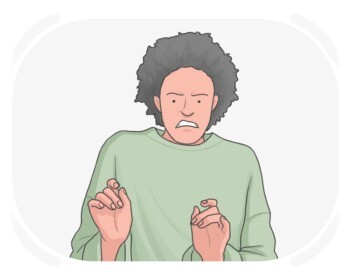
to hate a behavior or way of thought, believing that it is morally wrong
membenci, menjijikkan
Mereka membenci diskriminasi dalam bentuk apapun dan berjuang untuk kesetaraan.

suggestive of sexual desire
berahi, erotis
Novel itu dipenuhi dengan pertemuan asmara dan kerinduan yang bergairah.
a state of active opposition or hostility toward someone or something, characterized by conflict and resistance
antagonisme, permusuhan
Antagonisme yang sudah lama antara geng saingan meningkat menjadi konfrontasi kekerasan.

to smile broadly because of happiness, pleasure, or pride
tersenyum lebar, berseri
likely to cause arguments because of being aggressive
konfrontatif, agresif
Manajer menghindari menjadi konfrontatif dengan staf.
the sadness and worry provoked by an unpleasant surprise
kekhawatiran, keputusasaan
Dia melihat vas yang pecah dengan kekhawatiran, tidak yakin bagaimana itu terjadi.

devoid of respect for someone or something
merendahkan, menghina

feeling very lonely and sad
sedih, kesepian
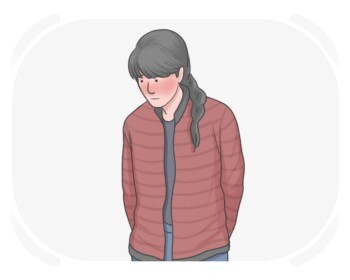
having low self-confidence
pemalu, rendah diri
Sebagai seniman pemalu, dia menyimpan sebagian besar karyanya secara pribadi dan jarang menunjukkannya kepada orang lain.
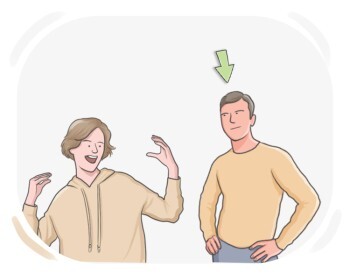
serious, dignified, and solemn in manner or character
serius, khidmat
to make someone feel upset, shocked, and sometimes offended about something
menjijikkan, memuakkan
Tindakan korup politisi itu menjijikkan warga.
deserving intense hatred due to its cruelty
mengerikan, terkutuk
Pengkhianatannya yang mengerikan menghancurkan bertahun-tahun kepercayaan.

feeling very sleepy
mengantuk, kantuk
Setelah makan siang yang berat, dia merasa mengantuk dan berusaha untuk tetap membuka matanya di meja.
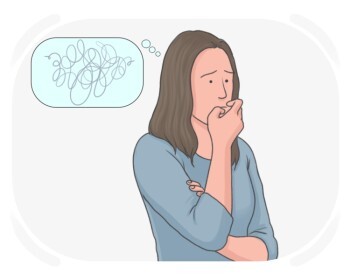
unable to stay still and calm
gelisah, tidak bisa diam
Perilakunya yang gelisah di ruang tunggu adalah tanda jelas dari kegugupannya tentang wawancara yang akan datang.

extremely excited and happy
sangat gembira, bergembira
Anak-anak sangat gembira ketika mengetahui mereka akan pergi ke Disneyland.
feeling anxious and easily irritated
gugup, mudah tersinggung
Dia merasa tegang selama wawancara, berusaha menyembunyikan kecemasannya.
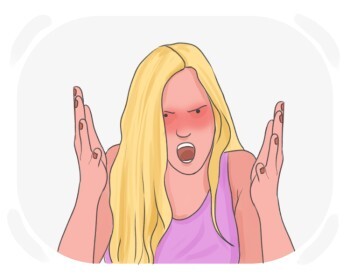
feeling intense frustration, especially due to an unsolvable problem
kesal, jengkel
Dia merasa kesal dengan lalu lintas yang tak pernah berakhir dalam perjalanan hariannya.

to strongly attract someone and make them interested and excited
memikat, menawan
Jalan-jalan yang menawan di kota tua memikat para turis, mengundang mereka untuk menjelajahi harta karun tersembunyinya.
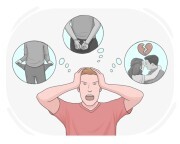
greatly frightened and worried about something, in a way that is uncontrollable
kalap, panik
Gonggongan liar anjing itu mengingatkan keluarga akan penyusup yang mendekat.
uncontrollably excited or happy
girang, bersemangat
Dia menjadi delirious karena kegembiraan ketika melihatnya.
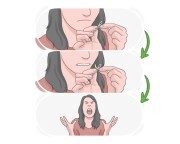
to make someone feel annoyed or upset for not being able to achieve what they desire
mengecewakan, membuat kesal
Gangguan yang terus-menerus membuatnya frustrasi.
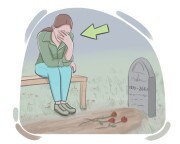
to feel intense sorrow, especially because someone has died
berduka, bersedih
Seluruh komunitas berkumpul untuk berduka atas meninggalnya anggota yang dicintai.
strongly but briefly in love or obsessed with someone or something
tergila-gila, terpikat
Remaja sering tergila-gila dengan cepat dan intens.
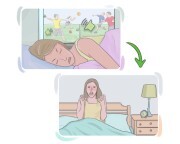
to make someone extremely angry
memarahkan, membuat sangat marah
Gosipnya yang terus-menerus tentang orang lain membuat teman-temannya marah.
boring and repetitive that makes one feel unhappy
muram, membosankan
Alur film itu sangat membosankan sehingga banyak orang keluar di tengah jalan.
to make one feel extremely excited, pleased, and delighted
menggembirakan, memuaskan
Wahana roller coaster yang mendebarkan menggembirakan para penumpang, meninggalkan mereka dengan dorongan kegembiraan.

full of happiness and delight
gembira, bahagia
Tawa anak-anak memenuhi udara, menciptakan suasana gembira di taman bermain.
unhappy because of loneliness
kesepian, sendirian
Dia merasa kesepian setelah pindah ke kota baru di mana dia tidak mengenal siapa pun.

feeling disappointed because someone or something is not as worthy or good as one believed
kecewa, patah hati
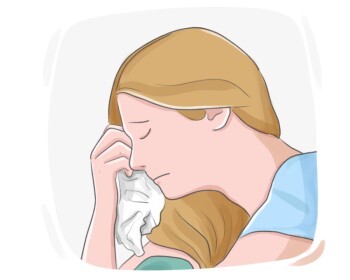
the state of being unhappy and despairing
keputusasaan, kekecewaan
Meskipun usahanya untuk tetap positif, kemunduran yang konstan membawanya ke dalam spiral keputusasaan.
a general lack of interest, concern, or enthusiasm toward things in life
apatis, ketidakpedulian
Apatisnya terhadap tujuan dan sasaran perusahaan tercermin dalam kinerjanya yang biasa-biasa saja di tempat kerja.

a feeling of long-lasting sadness that often cannot be explained
melankoli, kesedihan
Melankoli musim gugur tercermin dalam daun-daun yang berguguran dan langit kelabu.

the extreme feeling of rage and anger
kemarahan, amarah
Kemarahan masyarakat atas polusi lingkungan menyebabkan protes dan petisi.
great excitement, anger, or fear that makes someone unable to control their emotions, and as a result, they start laughing, crying, etc.
histeria, histeria massal
Pidatonya memicu histeria di antara para pendukungnya.
an intense feeling of hatred or disgust toward oneself
kebencian terhadap diri sendiri, rasa jijik pada diri sendiri
Tahun-tahun kritik telah menyebabkan kebencian diri yang mendalam.
