
Zaawansowane Słownictwo do TOEFL - Uczucia i Emocje
Tutaj nauczysz się niektórych angielskich słów dotyczących uczuć i emocji, takich jak "paraliżować", "nienawidzić", "obrzydzenie" itp., które są potrzebne do egzaminu TOEFL.
Przegląd
Fiszki
formy
Pisownia
Test

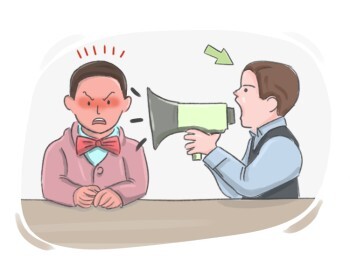
to make someone feel annoyed, anxious, or angry

drażnić, irytować
Jego powtarzające się krytyki zdenerwowały mnie.
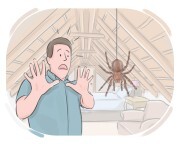
to make someone so frightened that they cannot move or speak
spetryfikować, zastygnąć ze strachu
Groźne gesty zamaskowanego intruza sparaliżowały właściciela domu, uniemożliwiając mu reakcję.
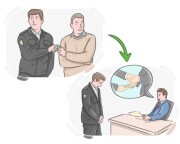
to bring shame or dishonor on oneself or other people
hańbić, kompromitować
Martwił się, że jego przeszłe błędy zhańbią nazwisko jego rodziny.

to greatly shock or surprise someone
zdumieć, zaskoczyć
Nieoczekiwana zapowiedź awansu zdumiała pracownika, który nigdy nie wyobrażał sobie takiego uznania.

to make someone feel greatly shocked or amazed so much that they are speechless
oszołomić, zdumieć
Niespodziewany zwrot akcji zdumiał członków klubu książki.
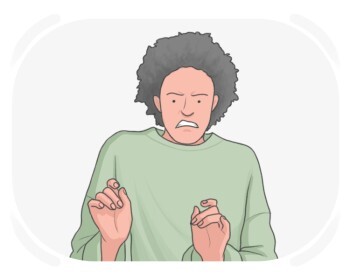
to hate a behavior or way of thought, believing that it is morally wrong
nienawidzić, brzydzić się
Nienawidzę okrucieństwa wobec zwierząt i wspieram organizacje zajmujące się dobrostanem zwierząt.

suggestive of sexual desire
zakochany, erotyczny
Ich namiętny uścisk przyciągnął ciekawskie spojrzenia przechodniów.
a state of active opposition or hostility toward someone or something, characterized by conflict and resistance
antagonizm, wrogość
Długotrwała antagonizm między rywalizującymi gangami przerodziła się w gwałtowną konfrontację.

to smile broadly because of happiness, pleasure, or pride
promienieć, uśmiechać się szeroko
likely to cause arguments because of being aggressive
konfrontacyjny, agresywny
Jego konfrontacyjny styl spowodował napięcie w dyskusji.
the sadness and worry provoked by an unpleasant surprise
konsternacja, zniechęcenie
Wyrazili zaniepokojenie decyzją o nieoczekiwanym podniesieniu podatków.
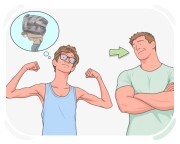
devoid of respect for someone or something
pogardliwy, lekceważący
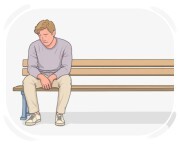
feeling very lonely and sad
opuszczony, smutny
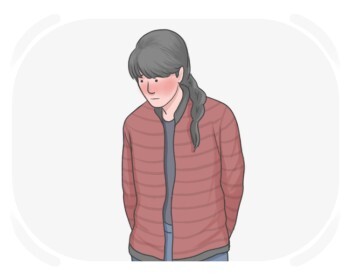
having low self-confidence
nieśmiały, skromny
Nieśmiała młoda kobieta nerwowo unikała kontaktu wzrokowego podczas rozmowy.
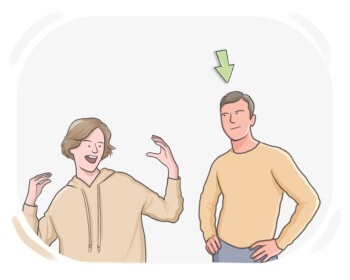
serious, dignified, and solemn in manner or character
poważny, podniosły
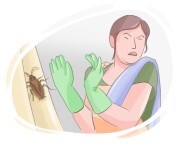
to make someone feel upset, shocked, and sometimes offended about something
obrzydzać, gorszyć
Widok śmieci rozrzuconych po pięknym parku zniesmaczył ekologów.
deserving intense hatred due to its cruelty
ohydny, wstrętny
Traktowanie więźniów było ohydne, naruszając wszystkie prawa człowieka.

feeling very sleepy
senny, ospały
Monotonny wykład sprawił, że uczniowie stali się senni, pomimo ich starań, aby nie zasnąć.
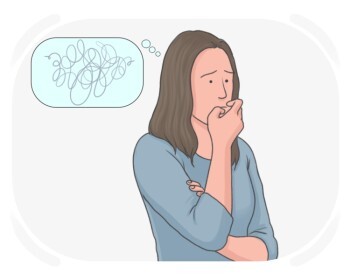
unable to stay still and calm
niespokojny, nerwowy
Pies był niespokojny, chętny wyjść na zewnątrz i bawić się po całym dniu spędzonym w domu.

extremely excited and happy
ekstatyczny, uniesiony
Była zachwycona, widząc swój ulubiony zespół na żywo podczas koncertu.
feeling anxious and easily irritated
nerwowy, drażliwy
Napięta atmosfera w pokoju sprawiła, że wszyscy czuli się spięci.
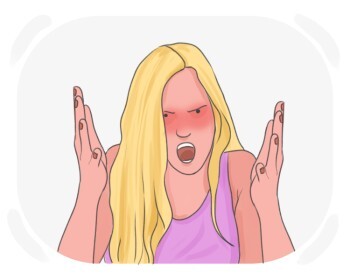
feeling intense frustration, especially due to an unsolvable problem
zirytowany, poirytowany
Jej zirytowany ton wskazywał, że osiągnęła granicę w tej sytuacji.

to strongly attract someone and make them interested and excited
oczarować, urzekać
Jej fascynująca opowieść oczarowała publiczność.
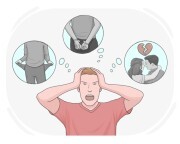
greatly frightened and worried about something, in a way that is uncontrollable
szalony, spanikowany
W miarę zbliżania się terminu, stawała się gorączkowa, próbując ukończyć swój projekt na czas.
uncontrollably excited or happy
zachwycony, podniecony
Byli w euforii po zwycięstwie.
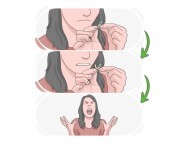
to make someone feel annoyed or upset for not being able to achieve what they desire
frustrować, denerwować
Powtarzające się niepowodzenia w zadaniu frustrują go.
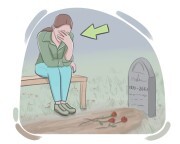
to feel intense sorrow, especially because someone has died
opłakiwać, być w żałobie
Cała społeczność zebrała się, aby opłakiwać śmierć ukochanego członka.
strongly but briefly in love or obsessed with someone or something
zauroczony, zafascynowany
Był zauroczony aktorem po obejrzeniu wszystkich jego filmów.
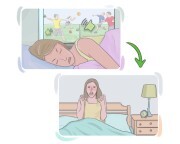
to make someone extremely angry
wściekać, doprowadzać do wściekłości
Brak postępów w projekcie wściekł zespół.
boring and repetitive that makes one feel unhappy
ponury, monotonny
Ponura sceneria powieści i wolne tempo utrudniały zaangażowanie.
to make one feel extremely excited, pleased, and delighted
ekscytować, zachwycać
Wygranie mistrzostwa podnieciło zespół, świętujący ich ciężko wywalczone zwycięstwo.

full of happiness and delight
radosny, szczęśliwy
Nadejście wiosny przyniosło radosne poczucie odnowy i wzrostu.
unhappy because of loneliness
samotny, osamotniony
Czuł się samotny po przeprowadzce do nowego miasta, gdzie nikogo nie znał.

feeling disappointed because someone or something is not as worthy or good as one believed
rozczarowany, zawiedziony
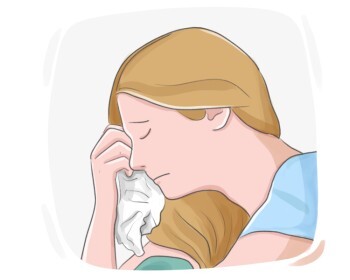
the state of being unhappy and despairing
zniechęcenie, desperacja
Wiadomość o jej chorobie napełniła jej rodzinę poczuciem zniechęcenia, niepewną, co przyniesie przyszłość.
a general lack of interest, concern, or enthusiasm toward things in life
apatia, obojętność
Przemówienie polityka nie zdołało zainspirować wyborców, którzy byli rozczarowani latami politycznej apatii.

a feeling of long-lasting sadness that often cannot be explained
melancholia, smutek
Pomimo uroczystości, w powietrzu wyczuwało się melancholię, gdy wspominali bliskich, którzy już nie byli z nimi.

the extreme feeling of rage and anger
oburzenie, wściekłość
Komentarze polityka na temat niektórych grup mniejszościowych wywołały powszechne oburzenie.
great excitement, anger, or fear that makes someone unable to control their emotions, and as a result, they start laughing, crying, etc.
histeria, histeria zbiorowa
W teatrze wybuchła histeria, gdy zadziałał alarm przeciwpożarowy.
an intense feeling of hatred or disgust toward oneself
nienawiść do siebie, pogarda dla siebie
Wyraził swoją nienawiść do siebie w prywatnych dziennikach.
