pattern

Il libro Interchange - Intermedio Superiore - Unità 5

Qui troverai il vocabolario dell'Unità 5 del libro di corso Interchange Upper-Intermediate, come "orizzonte", "schizzinoso", "etichetta", ecc.

Revisione

Flashcard

forme

Ortografia

Quiz

Inizia a imparare
Interchange - Upper-intermediate
to expand
to expand
[Verbo]

to become something greater in quantity, importance, or size

espandere

espandere

Ex: The business expanded quickly after opening its second store. 
Chiudi
Accedi
horizon
horizon
[sostantivo]

the apparent line in the distance where the sky seems to meet the land or sea

orizzonte

orizzonte

Ex: From the beach, the horizon stretched across the calm blue sea. 
Chiudi
Accedi
picky
picky
[aggettivo]

(of a person) extremely careful with their choices and hard to please

schizzinoso

schizzinoso

Ex: The picky customer returned the product because it didn't meet their exact specifications. 

Il cliente esigente ha restituito il prodotto perché non soddisfaceva le sue specifiche esatte.
Chiudi
Accedi
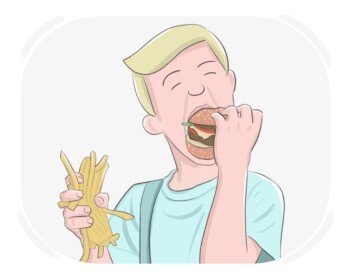
eater
eater
[sostantivo]

an animal or human that eats a certain type or amount of food or has a certain manner of eating

mangiatore

mangiatore

Ex: Competitive eaters train to consume large amounts of food quickly. 

I mangiatori competitivi si allenano a consumare grandi quantità di cibo rapidamente.
Chiudi
Accedi
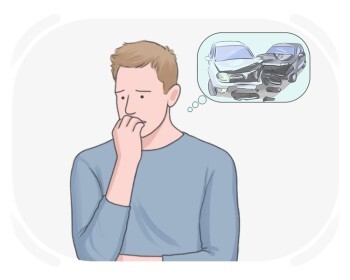
to concern
to concern
[Verbo]

to cause someone to worry

preoccupare

preoccupare

Ex: The behavior of their teenage daughter concerned the parents, who were worried about her well-being. 
Chiudi
Accedi
symptom
symptom
[sostantivo]

a change in the normal condition of the body of a person, which is the sign of a disease

sintomo
sintomo

Ex: She visited the doctor because of severe headaches, a symptom she couldn't ignore. 
Chiudi
Accedi
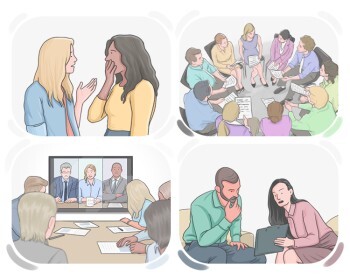
to communicate

to exchange information, ideas, or feelings with another person or group

comunicare

comunicare

Ex: Sarah and her manager have communicated regularly since the problem began. 
Chiudi
Accedi
foreign
foreign
[aggettivo]

related or belonging to a country or region other than your own

straniero

straniero

Ex: He traveled to a foreign country for the first time and experienced new cultures. 

Ha viaggiato in un paese straniero per la prima volta e ha sperimentato nuove culture.
Chiudi
Accedi
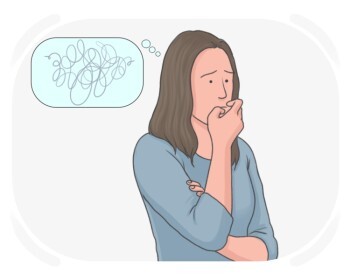
anxious
anxious
[aggettivo]

(of a person) feeling worried because of thinking something unpleasant might happen

ansioso

ansioso

Ex: He was anxious about traveling alone for the first time, worrying about navigating unfamiliar places. 

Era ansioso di viaggiare da solo per la prima volta, preoccupandosi di navigare in luoghi sconosciuti.

Chiudi
Accedi
comfortable
comfortable
[aggettivo]

physically feeling relaxed and not feeling pain, stress, fear, etc.

comodo

comodo

Ex: He appeared comfortable during the yoga class, showing flexibility and ease in his poses. 

Sembrava a suo agio durante la lezione di yoga, mostrando flessibilità e facilità nelle sue pose.

Chiudi
Accedi
confident
confident
[aggettivo]

having a strong belief in one's abilities or qualities

confidente

confidente

Ex: The teacher was confident about her students' progress. 

L'insegnante era sicura dei progressi dei suoi studenti.

Chiudi
Accedi
curious
curious
[aggettivo]

interested in learning or finding out about people, things, or situations

curioso

curioso

Ex: He opened the box because he was curious about what was inside. 
Chiudi
Accedi
depressed
depressed
[aggettivo]

feeling very unhappy and having no hope

depresso

depresso

Ex: She sought help from a therapist when her depressed state became overwhelming. 

Ha cercato aiuto da un terapista quando il suo stato depresso è diventato opprimente.

Chiudi
Accedi
embarrassed
embarrassed
[aggettivo]

feeling ashamed and uncomfortable because of something that happened or was said

imbarazzato

imbarazzato

Ex: He was clearly embarrassed by the mistake he made. 

Era chiaramente imbarazzato per l'errore che aveva commesso.

Chiudi
Accedi
enthusiastic
enthusiastic
[aggettivo]

having or showing intense excitement, eagerness, or passion for something

entusiastico

entusiastico

Ex: The enthusiastic fans cheered loudly for their favorite band. 

I fan entusiasti hanno applaudito rumorosamente per la loro band preferita.

Chiudi
Accedi
excited
excited
[aggettivo]

feeling very happy, interested, and energetic

eccitato, very happy and full of energy

eccitato, very happy and full of energy

Ex: They were excited to try the new roller coaster at the theme park. 
Chiudi
Accedi
fascinated
fascinated
[aggettivo]

intensely interested or captivated by something or someone

affascinato

affascinato

Ex: He became fascinated with the process of making pottery after taking a class. 

È diventato affascinato dal processo di creazione della ceramica dopo aver frequentato un corso.

Chiudi
Accedi
homesick
homesick
[aggettivo]

feeling sad because of being away from one's home

nostalgico

nostalgico

Ex: They tried to help her feel less homesick by planning video calls with her family. 

Hanno cercato di aiutarla a sentirsi meno nostalgica pianificando videochiamate con la sua famiglia.

Chiudi
Accedi
insecure
insecure
[aggettivo]

(of a person) not confident about oneself or one's skills and abilities

insicuro

insicuro

Ex: She was insecure about her speaking skills, avoiding public speaking opportunities whenever possible. 

Era insicura delle sue capacità di parlare, evitando le opportunità di parlare in pubblico ogni volta che era possibile.

Chiudi
Accedi
nervous
nervous
[aggettivo]

worried and anxious about something or slightly afraid of it

nervoso

nervoso

Ex: He felt nervous before his big presentation at work. 

Si sentiva nervoso prima della sua grande presentazione al lavoro.

Chiudi
Accedi
uncertain
uncertain
[aggettivo]

(of a person) showing a lack of confidence and having doubts about something

incerto

incerto

Ex: She was uncertain about which job offer to accept, as both had their advantages. 

Era incerta su quale offerta di lavoro accettare, poiché entrambe avevano i loro vantaggi.

Chiudi
Accedi
uncomfortable
uncomfortable
[aggettivo]

feeling embarrassed, anxious, or uneasy because of a situation or circumstance

scomodo

scomodo

Ex: He shifted in his seat, feeling uncomfortable under the scrutiny of his peers. 

Si mosse sul suo posto, sentendosi a disagio sotto lo sguardo dei suoi pari.

Chiudi
Accedi
worried
worried
[aggettivo]

feeling unhappy and afraid because of something that has happened or might happen

preoccupato

preoccupato

Ex: He was worried about his job security, feeling uneasy about the company's recent layoffs. 

Era preoccupato per la sicurezza del suo lavoro, sentendosi a disagio per i recenti licenziamenti dell'azienda.

Chiudi
Accedi
away
away
[avverbio]

at a distance from someone, somewhere, or something

lontano, via

lontano, via

Ex: The child slowly drifted away from the group. 

Il bambino si è lentamente allontanato lontano dal gruppo.
Chiudi
Accedi
culture
culture
[sostantivo]

the general beliefs, customs, and lifestyles of a specific society

cultura

cultura

Ex: We experienced the local culture during our stay in Italy. 
Chiudi
Accedi
etiquette
etiquette
[sostantivo]

a set of conventional rules or formal manners, usually in the form of ethical code

etiquette

etiquette

Ex: Her etiquette at the meeting was impeccable. 

La sua etichetta durante la riunione era impeccabile.

Chiudi
Accedi
tip
tip
[sostantivo]

a helpful suggestion or a piece of advice

suggerimento

suggerimento

Ex: The financial advisor provided tips for saving money and planning for retirement. 
Chiudi
Accedi
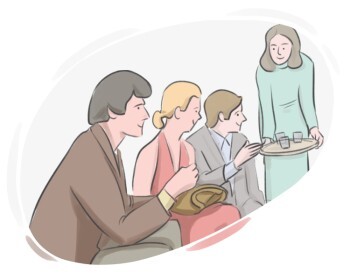
international
international
[aggettivo]

happening in or between more than one country

internazionale
internazionale

Ex: They hosted an international art exhibition showcasing works from around the world. 
Chiudi
Accedi
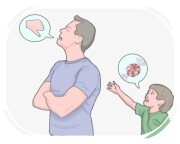
host
host
[sostantivo]

a person who invites guests to a social event and ensures they have a pleasant experience while there

ospite, padrone di casa
ospite, padrone di casa

Ex: The host's hospitality made the party a memorable experience for everyone. 
Chiudi
Accedi
to turn down

to decline an invitation, request, or offer

rifiutare un invito una richiesta o un'offerta, non accettare qualcosa

rifiutare un invito una richiesta o un'offerta, non accettare qualcosa

Ex: The city council turned down the rezoning proposal, respecting community concerns. 

Il consiglio comunale ha respinto la proposta di rizona, rispettando le preoccupazioni della comunità.

Chiudi
Accedi
offer
offer
[sostantivo]

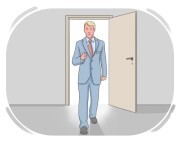
the action of presenting something verbally

proposta, offerta
proposta, offerta

Ex: Their offer to cooperate improved relations. 
Chiudi
Accedi
to enter
to enter
[Verbo]

to come or go into a place

entrare

entrare

Ex: Right now, they are entering the auditorium for the performance. 
Chiudi
Accedi
to rest
to rest
[Verbo]

to stop working, moving, or doing an activity for a period of time and sit or lie down to relax

restare, rimanere
restare, rimanere

Ex: You should rest for a while before continuing. 
Chiudi
Accedi
elbow
elbow
[sostantivo]

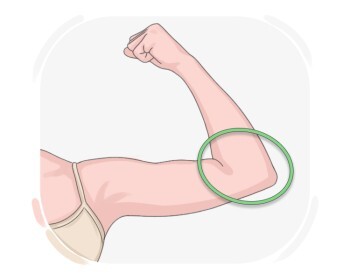
the joint where the upper arm and forearm meet and bend

gomito

gomito

Ex: The doctor examined the swelling around his elbow. 
Chiudi
Accedi
to arrive
to arrive
[Verbo]

to reach a location, particularly as an end to a journey

arrivare

arrivare

Ex: We left early to ensure we would arrive at the concert venue before the performance began. 
Chiudi
Accedi
chopstick
chopstick
[sostantivo]

one of the two thin, typically wooden sticks, used particularly by people of China, Japan, etc., to eat food

bacchette

bacchette

Ex: Using chopsticks requires practice and skill to pick up food items with precision. 

Usare le bacchette richiede pratica e abilità per prendere il cibo con precisione.

Chiudi
Accedi
expectation
expectation
[sostantivo]

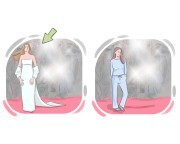
a belief about what is likely to happen in the future, often based on previous experiences or desires

aspettativa
aspettativa

Ex: Setting realistic expectations for oneself can lead to greater satisfaction and fulfillment in life. 
Chiudi
Accedi
appropriately
appropriately
[avverbio]

in a way that is acceptable or proper

adeguatamente

adeguatamente

Ex: The punishment was administered appropriately for the violation. 

La punizione è stata amministrata in modo appropriato per la violazione.
Chiudi
Accedi
to tip
to tip
[Verbo]

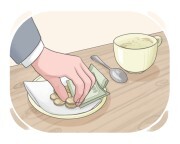
to give a small amount of money to a waiter, driver, etc. to thank them for their services

dare la mancia

dare la mancia

Ex: She remembered to tip the delivery person when the food arrived hot and on time. 
Chiudi
Accedi
pamphlet
pamphlet
[sostantivo]

a small book with a paper cover giving information about a particular subject

opuscolo

opuscolo

Ex: The political candidate's campaign team handed out pamphlets outlining their platform and proposed policies to potential voters. 
Chiudi
Accedi
culture shock
culture shock
[sostantivo]

the feeling of disorientation and confusion that people experience when they are in a new and unfamiliar cultural environment

shock culturale, disorientamento culturale

shock culturale, disorientamento culturale

Ex: Studying abroad helped her overcome her initial culture shock. 

Studiare all'estero l'ha aiutata a superare il suo iniziale shock culturale.

Chiudi
Accedi
hometown
hometown
[sostantivo]

the town or city where a person grew up or was born

natio

natio

Ex: I haven’t been to my hometown since last summer. 

Non sono stato nella mia città natale dall'estate scorsa.

Chiudi
Accedi
passionate
passionate
[aggettivo]

showing or having enthusiasm or strong emotions about something one care deeply about

appassionato

appassionato

Ex: Her passionate love for literature led her to pursue a career as an English teacher. 

Il suo amore appassionato per la letteratura l'ha portata a intraprendere una carriera come insegnante di inglese.

Chiudi
Accedi
lively
lively
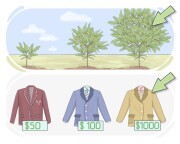
[aggettivo]

full of activity, excitement, and energy

vivace
vivace

Ex: We spent the evening in a lively bar near the hotel. 
Chiudi
Accedi
quite
quite
[avverbio]

to the highest degree

proprio

proprio

Ex: He's quite good at playing the piano. 

È molto bravo a suonare il piano.

Chiudi
Accedi
eye-opener
eye-opener
[sostantivo]

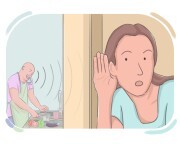
something that helps a person realize something new or different about a situation or a person

rivelazione, risveglio
rivelazione, risveglio

Chiudi
Accedi
hardly
hardly
[avverbio]

to a very small degree or extent

appena

appena

Ex: She hardly noticed the subtle changes in the room's decor. 

Lei appena notò i sottili cambiamenti nell'arredamento della stanza.

Chiudi
Accedi
indoor
indoor
[aggettivo]

(of a place, space, etc.) situated inside a building, house, etc.

interno

interno

Ex: The indoor pool at the gym provides a convenient option for swimming regardless of the weather outside. 

La piscina interna della palestra offre un'opzione conveniente per nuotare indipendentemente dal tempo esterno.

Chiudi
Accedi
to notice
to notice
[Verbo]

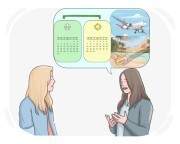
to pay attention and become aware of a particular thing or person

notare
notare

Ex: I noticed the time and realized I was late for my appointment. 
Chiudi
Accedi
during
during
[Preposizione]

used to express that something happens continuously from the beginning to the end of a period of time

durante

durante

Ex: The students remained quiet during the teacher's lecture. 

Gli studenti sono rimasti in silenzio durante la lezione dell'insegnante.

Chiudi
Accedi
to expect
to expect
[Verbo]

to think or believe that it is possible for something to happen or for someone to do something

aspettare

aspettare

Ex: He expects a promotion after all his hard work this year. 
Chiudi
Accedi
common
common
[aggettivo]

regular and without any exceptional features

comune

comune

Ex: His response was so common that it didn’t stand out in the conversation. 

La sua risposta era così comune che non spiccava nella conversazione.

Chiudi
Accedi
handshake
handshake
[sostantivo]

an act of taking a person's hand and shaking it as a greeting or after having made an agreement with them

stretta di mano

stretta di mano

Ex: The two leaders exchanged a handshake after signing the agreement. 

I due leader si sono scambiati una stretta di mano dopo aver firmato l'accordo.

Chiudi
Accedi
to hug
to hug
[Verbo]

to tightly and closely hold someone in one's arms, typically a person one loves

abbracciare

abbracciare

Ex: Feeling grateful, she hugged the person who returned her lost belongings. 

Sentendosi grata, abbracciò la persona che le aveva restituito gli oggetti smarriti.

Chiudi
Accedi
LanGeek
Scarica l'app LanGeek