
Vocabolario per IELTS Academic (Punteggio 8-9) - Storia
Qui, imparerai alcune parole inglesi relative alla Storia che sono necessarie per l'esame accademico IELTS.
Revisione
Flashcard
Ortografia
Quiz
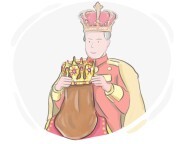
the formal ceremony or event during which a monarch or sovereign is officially crowned and invested with regal authority

incoronazione
L'incoronazione di un monarca è un evento solenne, ricco di simbolismo e radicato nella tradizione, che riflette il significato culturale e storico della monarchia.

(in medieval times) a young boy serving as an attendant to a knight, beginning training for knighthood
scudiero, paggetto
a system of writing using symbols or pictures, originally used by the ancient Egyptians
geroglifico, scrittura geroglifica
La piastra d'oro era incisa con geroglifici che raccontavano una storia di siccità e prosperità.
a large medieval Mediterranean vessel, typically with a single deck, propelled by sails and oars, armed at bow and stern, and manned by up to 1,000 men, used for war and trade
galea, nave a remi
Le galee medievali trasportavano sia soldati che mercanti.
something occurring at a time when it could not have existed or happened
anacronismo
La conoscenza degli eventi futuri del personaggio ha creato anacronismi deliberati.
a period in Western Europe (1871-1914) marked by peace, optimism, and cultural growth
La Belle Époque fu un periodo di fioritura culturale e ottimismo in Europa, caratterizzato da prosperità economica
Lo scoppio della Prima Guerra Mondiale nel 1914 pose fine alla Belle Époque, poiché l'ottimismo e la prosperità dell'epoca lasciarono il posto alla devastazione e allo sconvolgimento della Grande Guerra.
an extinct hominid species closely related to modern humans, characterized by a robust build and distinctive facial features, that lived in Europe and parts of Asia until approximately 40,000 years ago
Neanderthal, Uomo di Neanderthal
I Neanderthal vissero circa 40.000 anni fa e si estinsero durante l'epoca del Pleistocene.
the branch of science that studies fossils
paleontologia
Attraverso la paleontologia, i ricercatori hanno acquisito conoscenze sugli eventi di estinzione di massa che hanno plasmato la storia della vita sul nostro pianeta.
the defining spirit or mood of a particular period in history, reflecting the ideas and beliefs of the time
zeitgeist
La Rivoluzione Industriale portò con sé uno zeitgeist di urbanizzazione e industrializzazione, mentre le popolazioni rurali migravano verso le città in cerca di lavoro e le nuove tecnologie trasformavano la società e l'economia.
the lineage or ancestry of a person, tracing their familial relationships and connections through multiple generations
genealogia
Il grafico genealogico mostrava la discendenza della nostra famiglia risalente a diversi secoli fa.

to record a series of historical events in a detailed way by a chronological order
cronaca
Il giornalista cronaca i sconvolgimenti politici del secolo scorso nel suo reportage investigativo.
an object or part of an object surviving from the past, typically with historical or emotional value, often linked to a person, event, or era
reliquia, reperto
Il guanto da baseball logoro, una reliquia della mia gioventù, riporta alla mente i ricordi dei giochi estivi con i miei amici.
the historical period before the Middle Ages, especially before the sixth century when Greeks and Romans were the most prosperous
antichità
Il declino dell'Impero Romano segnò la fine dell'antichità e l'inizio del Medioevo, mentre l'Europa entrava in un periodo di frammentazione politica e cambiamento culturale.

a lineage of kings who rule a country or nation over a long period of time
dinastia
La dinastia Ming governò la Cina dal 1368 al 1644.
a medieval military expedition by European Christians to reclaim or defend Christian territories in the Holy Land
crociata
Le Crociate ebbero significativi impatti storici e culturali sulle relazioni tra l'Occidente cristiano e l'Oriente musulmano.
the process by which colonies or territories gain independence from colonial rule
decolonizzazione, processo di decolonizzazione
Le nazioni latinoamericane hanno raggiunto la decolonizzazione attraverso una serie di movimenti di indipendenza nel XIX secolo.
| Vocabolario per IELTS Academic (Punteggio 8-9) | |||
|---|---|---|---|
| Computer | Storia | Religion | Cultura e Costume |
| Lingua | Arti | Musica | Cinema e Teatro |
| Letteratura | Architettura | Marketing | Finanza |
| Gestione | Medicina | Malattia e Sintomi | Legge |
| Crimine | Punizione | Governo | Politica |
