
Vocabulary for IELTS Academic (Band 8-9) - History
Here, you will learn some English words related to History that are necessary for the Academic IELTS exam.
Review
Flashcards
Spelling
Quiz
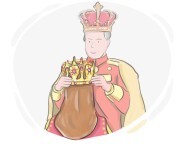
the formal ceremony or event during which a monarch or sovereign is officially crowned and invested with regal authority

(in medieval times) a young boy serving as an attendant to a knight, beginning training for knighthood
a system of writing using symbols or pictures, originally used by the ancient Egyptians
a large medieval Mediterranean vessel, typically with a single deck, propelled by sails and oars, armed at bow and stern, and manned by up to 1,000 men, used for war and trade
something occurring at a time when it could not have existed or happened
a period in Western Europe (1871-1914) marked by peace, optimism, and cultural growth
an extinct hominid species closely related to modern humans, characterized by a robust build and distinctive facial features, that lived in Europe and parts of Asia until approximately 40,000 years ago
the branch of science that studies fossils
the defining spirit or mood of a particular period in history, reflecting the ideas and beliefs of the time
the lineage or ancestry of a person, tracing their familial relationships and connections through multiple generations

to record a series of historical events in a detailed way by a chronological order
an object or part of an object surviving from the past, typically with historical or emotional value, often linked to a person, event, or era
the historical period before the Middle Ages, especially before the sixth century when Greeks and Romans were the most prosperous

a lineage of kings who rule a country or nation over a long period of time
a medieval military expedition by European Christians to reclaim or defend Christian territories in the Holy Land
the process by which colonies or territories gain independence from colonial rule
| Vocabulary for IELTS Academic (Band 8-9) | |||
|---|---|---|---|
| Computer | History | Religion | Culture and Custom |
| Language | Arts | Music | Film and Theatre |
| Literature | Architecture | Marketing | Finance |
| Management | Medicine | Sickness and Symptoms | Law |
| Crime | Punishment | Government | Politics |
